Artificial Leather Upholstery: The Ultimate Guide to Stylish & Practical Furniture Solutions
Explore Related Upholstery Topics
Furniture Leather Waterproof Upholstery Silicone vs PU Restaurant Upholstery Medical UpholsteryChoosing the right upholstery material is a pivotal decision for any interior project. Whether you are furnishing a high-end office or a busy family home, you need a balance of **aesthetic sophistication** and **long-term performance**.
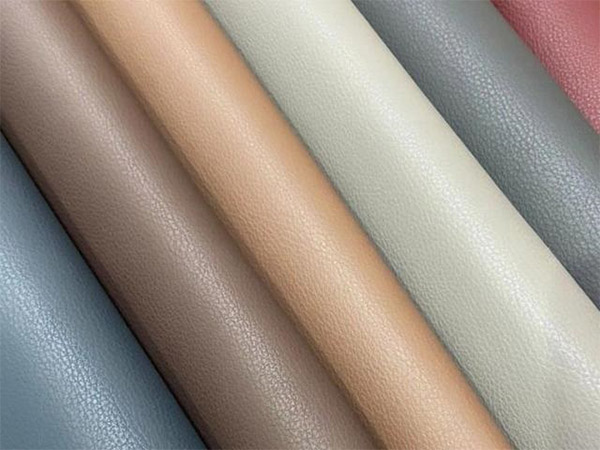
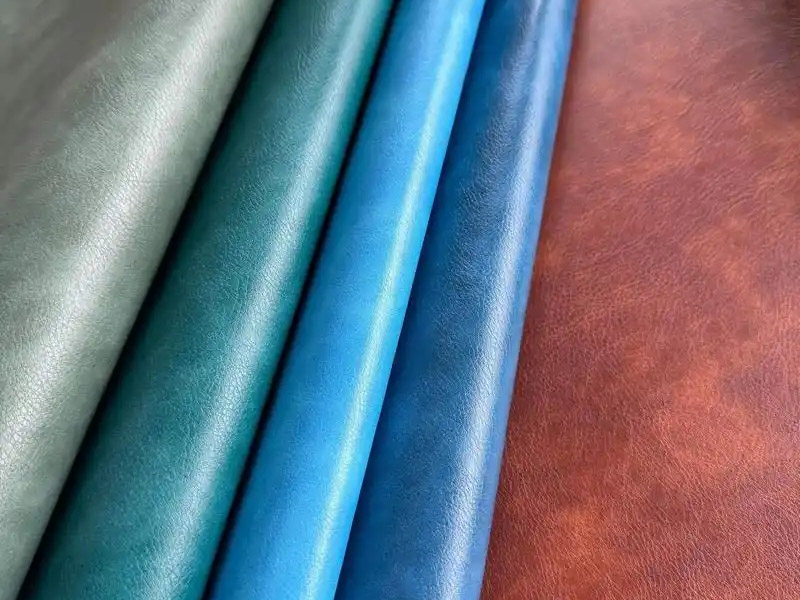
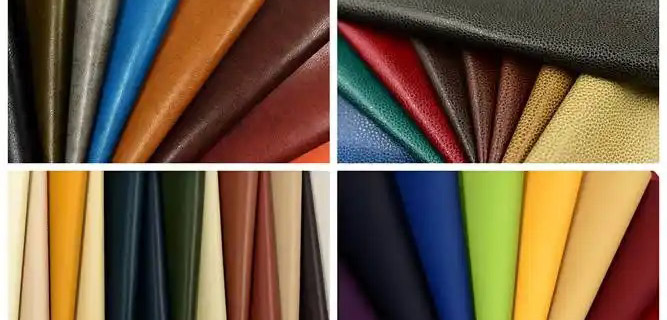
Artificial leather upholstery has evolved from a "budget alternative" to a premium choice in modern design. In this guide, we provide an industry-insider look at why synthetic materials are dominating the furniture market in 2026.
What is Artificial Leather Upholstery? (Beyond the Basics)
While often grouped together, the quality of artificial leather depends heavily on its polymer base. As a manufacturer, I recommend focusing on these three categories:
| Material Type | Performance Feature | Best Application |
|---|---|---|
| High-Grade PU | Soft, breathable, 3-5 year hydrolysis resistance. | Residential sofas & armchairs. |
| Industrial PVC | Extreme scratch resistance & waterproof. | Restaurant booths & medical seating. |
| Microfiber Leather | Highest durability; mimics the structure of real skin. | Luxury executive chairs & automotive. |
Expert Insight: The "Hydrolysis" Factor
When buying PU upholstery, always ask about its hydrolysis resistance. High-quality furniture PU should withstand at least 3-5 years in humid conditions without peeling. For premium projects, look for "Solvent-free PU" which is both eco-friendly and exceptionally durable.
Benefits of Switching to Synthetic Upholstery
1. Cost-Efficiency for Large Scale Projects
Artificial leather allows designers to achieve a consistent look across large sectional sofas or multiple office floors at a fraction of the cost of genuine hides.
2. Unmatched Maintenance and Hygiene
Unlike genuine leather, which is porous and can trap bacteria, high-quality synthetic leather is non-porous. It can be sanitized with mild disinfectants—a crucial feature for post-2020 commercial spaces.
3. Environmental and Ethical Compliance
With the rise of "Vegan Design," artificial leather offers a cruelty-free solution. Leading manufacturers now comply with REACH and RoHS standards, ensuring the material is free from harmful heavy metals and phthalates.
Applications: Where Performance Meets Style
Commercial & Hospitality: Restaurant seating requires high Martindale (rub test) ratings. PVC is often the winner here.
Modern Office Spaces: Ergonomic executive chairs benefit from the breathability of advanced PU or Microfiber.
Residential Interiors: From headboards to dining chairs, the ease of cleaning makes faux leather the go-to for homes with pets.
How to Identify High-Quality Upholstery Fabric
Don't just look at the surface. To ensure durability, check the following:
Backing Strength: Look for brushed fabric or micro-fiber backing. Avoid thin, heat-pressed mesh that tears easily.
Thickness: For sofas, a thickness of 1.0mm to 1.2mm is ideal for the perfect balance of drape and strength.
Color Fastness: Ensure the material is UV-treated if the furniture will be near large windows.
Upholstery FAQ
Q: Is artificial leather suitable for cats and dogs?
A: Yes! High-rub-count PVC and Microfiber are much more resistant to claw punctures than top-grain leather.
Q: How do I prevent my sofa from cracking?
A: Keep it away from direct heat sources (radiators) and avoid using alcohol-based cleaners, which can dry out the synthetic coating.
Need Custom Upholstery Solutions?
From solvent-free PU to high-performance microfiber, we provide factory-direct materials for global furniture brands.
Related Upholstery Leather Guides