Top 5 Signs of High-Quality Automotive Nappa Microfiber: A Professional Buyer’s Guide
Explore Related Upholstery Topics
Furniture Leather Waterproof Upholstery Silicone vs PU Restaurant Upholstery Medical UpholsteryIn the competitive world of automotive upholstery, Nappa Microfiber Leather has become the gold standard for luxury car interiors, steering wheel covers, and aftermarket modifications. However, not all microfiber is created equal.
As a professional manufacturer with over 15 years of experience, we’ve identified the top 5 signs that distinguish premium-grade automotive microfiber from inferior substitutes. If you are a wholesaler, car interior shop owner, or an international trader, these tips will help you secure the best materials for your clients.
1. Superior Grain Consistency (The Nappa Touch)
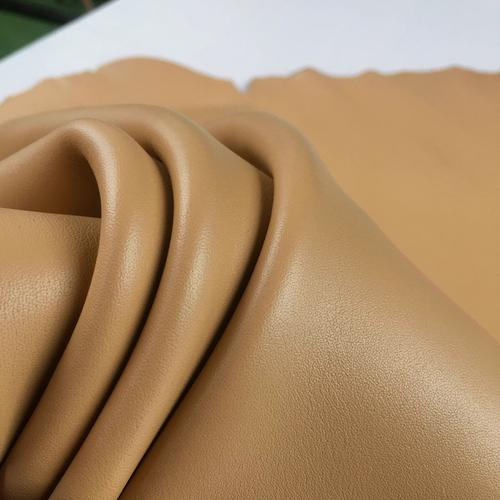
True high-quality Nappa microfiber is known for its fine, smooth, and consistent grain. Unlike cheaper PVC or low-end PU leathers that often have a "plasticky" look, premium Nappa microfiber replicates the elegant, pore-less finish of genuine high-end calfskin.
The Test: When you stretch the leather, the grain should remain stable and not "crack" or show a white fabric base underneath.
Why it Matters: Consistency ensures that the steering wheel and seats match perfectly in texture, giving the car interior a seamless, OEM-level luxury feel.
2. High-Density Microfiber Base (The 1.2mm Standard)
The secret to durability lies beneath the surface. High-quality automotive leather utilizes a High-Density Non-woven Microfiber base.
The Sign: Look at the cross-section of the leather. It should look like a dense, fibrous structure (similar to real dermis) rather than a loose, knitted fabric.
The Benchmark: For automotive seats and steering wheels, 1.2mm thickness is the industry standard. It provides the perfect balance between soft hand-feel and extreme tear resistance.
3. Exceptional Abrasion and Scratch Resistance
Automotive interiors face harsh daily use—keys, zippers, pets, and constant friction. High-quality microfiber is engineered with a specialized protective topcoat.
The Test: A simple "key scratch test" should leave no permanent marks on the surface. Premium materials usually pass the Martindale Abrasion Test with over 100,000 rubs.
Benefit: This longevity is what keeps a car looking "brand new" even after 5 years of heavy use.
4. High Color Fastness and UV Stability
Car interiors are essentially "ovens" when parked under the sun. Lower-quality leathers will fade, yellow, or become brittle within months due to UV exposure.
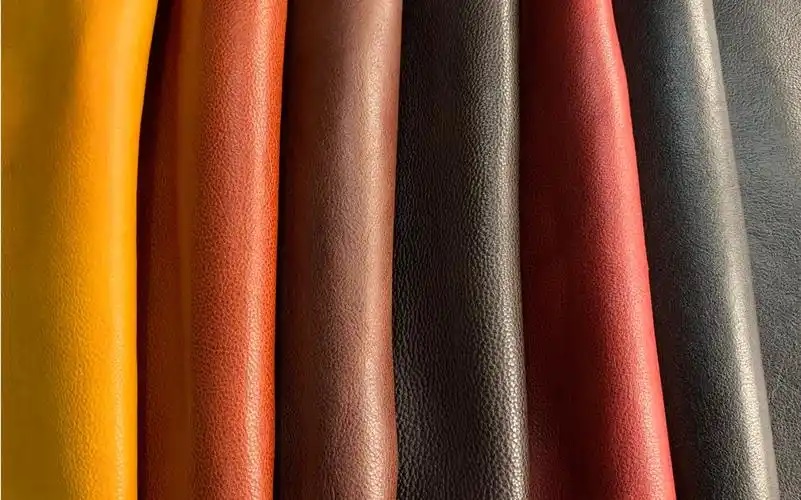
The Sign: Professional-grade microfiber is treated with UV inhibitors. It maintains its vibrant color (whether it's Ferrari Red or Bentley Beige) even in high-temperature environments like the Middle East or Southeast Asia.
Pro Tip: Ask your supplier for the Light Fastness Grade (Grade 4.0 or higher is ideal for automotive use).
5. Eco-Friendly & Low Volatile Organic Compounds (VOCs)
The "new car smell" should not be a chemical smell. Premium microfiber leather is produced using eco-friendly resins and is free from heavy metals and toxic phthalates.
The Sign: The material should have no pungent odor. It should meet international standards like REACH or RoHS.
Safety: High-quality leather ensures that even in high heat, no toxic gases are released into the cabin, protecting the health of the driver and passengers.
Conclusion: Don't Compromise on Quality
Choosing the right material is the difference between a satisfied repeat customer and a costly claim. High-quality automotive Nappa microfiber offers the luxury of genuine leather with the superior performance of modern technology.
Looking for a Reliable Factory Partner?At Yizen Leather, we specialize in 1.2mm High-Density Nappa Microfiber for the global automotive market. Whether you need custom colors for a brand or high-stock availability for quick shipping, we are here to support your business.
[Contact Us Today] to request a Free Sample Swatch and experience the difference of premium microfiber firsthand.
Related Upholstery Leather Guides