How to Choose PU Leather - Synthetic Leather Buying Guide
Explore Related Upholstery Topics
Furniture Leather Waterproof Upholstery Silicone vs PU Restaurant Upholstery Medical UpholsteryHow to Choose PU Leather: A Complete Synthetic Leather Guide
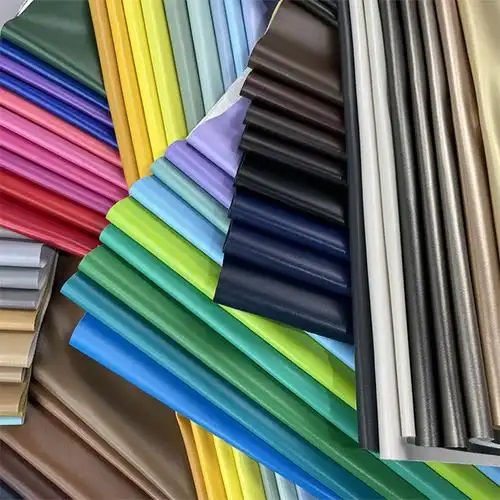
Choosing the right PU leather or synthetic leather is critical for furniture upholstery, automotive interiors, hospitality seating, healthcare furniture, and commercial projects. Different applications require different thickness levels, abrasion resistance standards, hydrolysis performance, and upholstery textures.
High-quality PU leather can deliver premium softness, long-term durability, and excellent commercial performance, while low-grade synthetic materials may crack, peel, or degrade under high humidity and continuous usage conditions.
1. What Is PU Leather & Synthetic Leather?
PU leather (Polyurethane Leather) is a synthetic upholstery material manufactured using polyurethane resin coatings combined with textile backing structures. Synthetic leather is a broader category that includes PU leather, PVC leather, silicone leather, microfiber leather, and other engineered upholstery materials.
PU vs PVC vs Genuine Leather
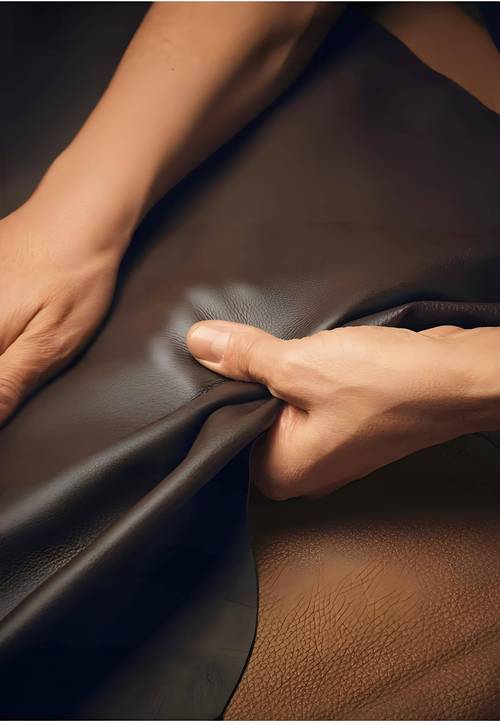
| Feature | PU Leather | PVC Leather | Genuine Leather |
|---|---|---|---|
| Softness | Soft & flexible | Firm | Natural texture |
| Waterproof Performance | Good | Excellent | Limited |
| Maintenance | Easy | Very easy | Requires conditioning |
| Commercial Cost | Moderate | Economical | Premium |
2. Core Factors When Choosing PU Leather
Thickness Selection
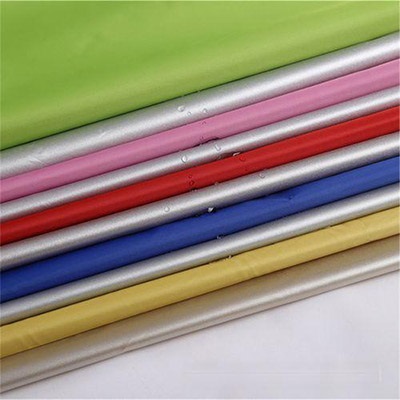
- Furniture Upholstery: 0.8mm - 1.2mm
- Automotive Interiors: 0.9mm - 1.4mm
- Bags & Shoes: 0.6mm - 1.0mm
- Commercial Seating: 1.0mm+ recommended
Abrasion Resistance
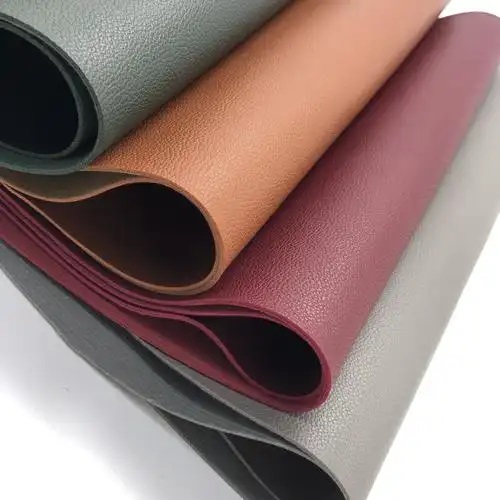
Commercial upholstery materials should provide high Martindale abrasion performance to resist continuous friction and long-term seating wear.
Hydrolysis Resistance
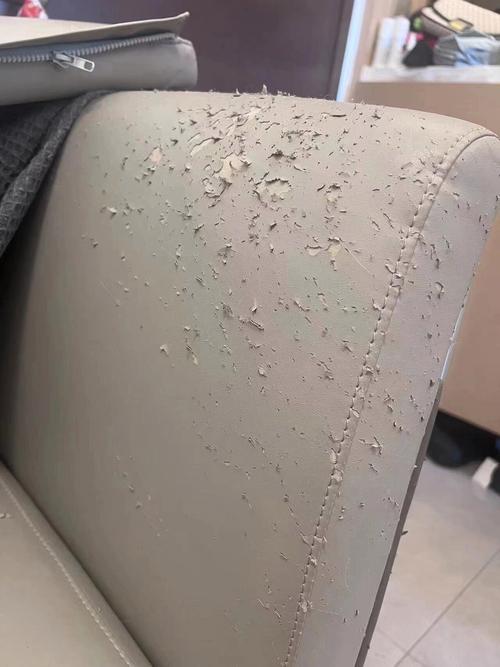
Low-grade PU leather may crack or peel under humid environments because of unstable resin systems. High-quality hydrolysis-resistant PU leather provides significantly longer service life.
Waterproof & Easy-Clean Performance
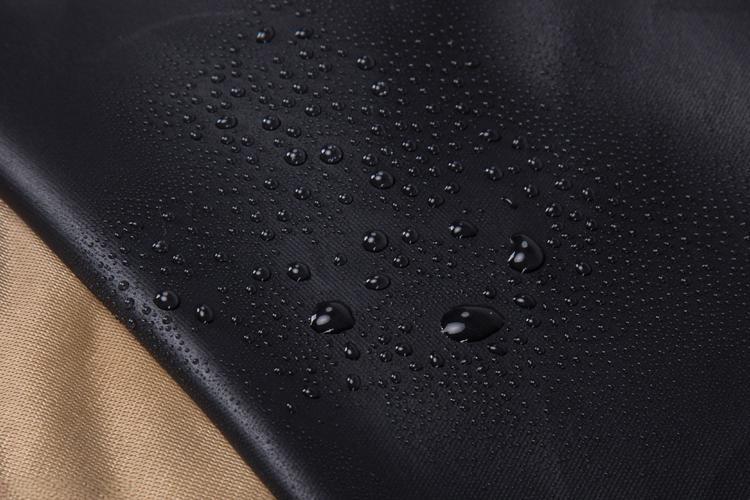
Restaurant booths, healthcare furniture, and hospitality seating systems require waterproof and easy-clean upholstery surfaces for long-term commercial performance.
3. Industry Selection Guidelines
Furniture Upholstery
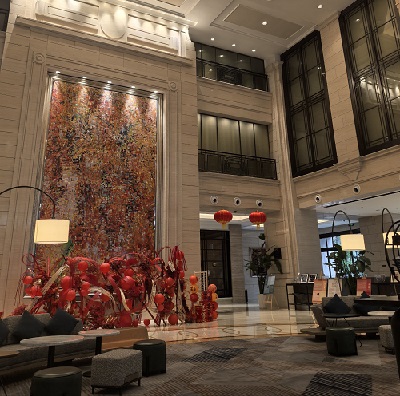
Furniture upholstery applications typically require:
- Soft-touch comfort
- Easy-clean performance
- Stable upholstery flexibility
- Good hydrolysis resistance
- Premium leather appearance
Related collection: Furniture Upholstery Leather
Automotive Interiors
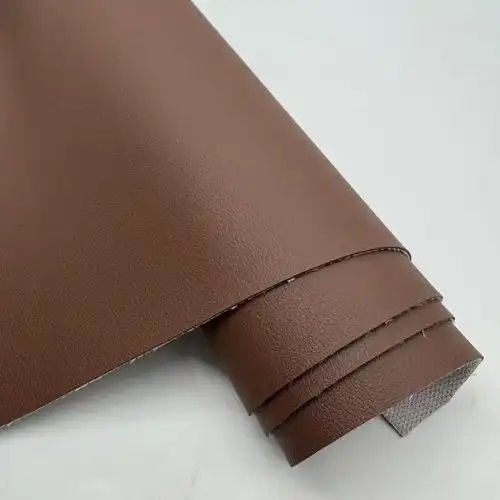
Automotive upholstery materials require:
- UV resistance
- Flame retardancy
- Heat aging stability
- Scratch resistance
- Long-term flexibility
Related collection: Automotive PU Leather
4. Material Performance Comparison
| Performance | PU Leather | PVC Leather | Silicone Leather |
|---|---|---|---|
| Softness | Excellent | Medium | Excellent |
| Waterproof Performance | Good | Excellent | Excellent |
| Hydrolysis Resistance | 3 - 5 Years | Strong | 10+ Years |
| Commercial Cost | Moderate | Economical | Premium |
5. PU Leather Maintenance & Lifespan
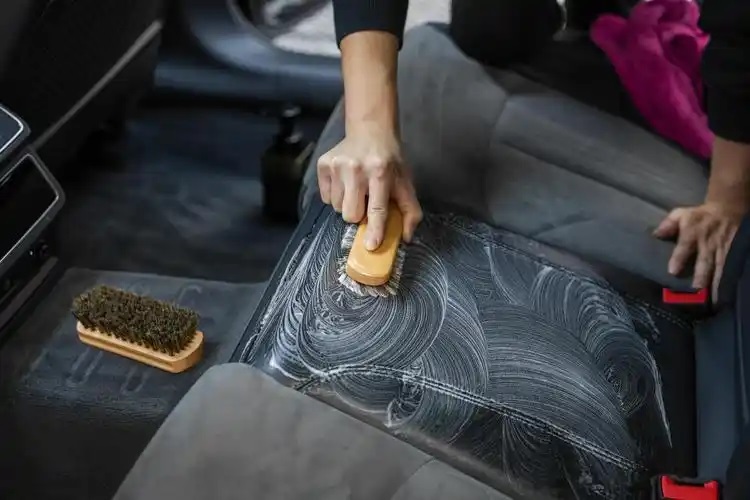
High-quality PU leather can typically last 5 - 10 years depending on environmental conditions and material engineering quality.
- Clean regularly using soft microfiber cloths
- Avoid harsh industrial solvents
- Reduce long-term direct sunlight exposure
- Maintain stable indoor humidity conditions
6. Supplier & Purchasing Tips
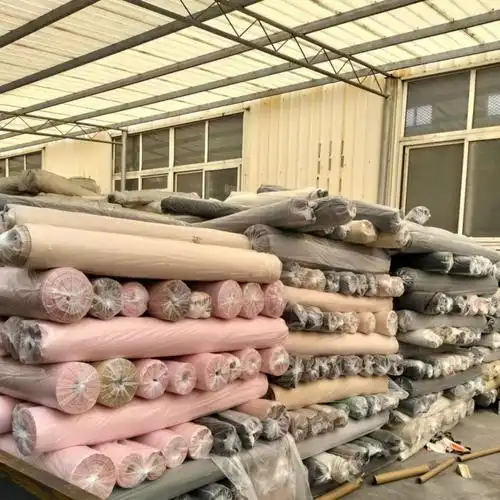
- Request physical samples before mass production
- Verify hydrolysis and abrasion test reports
- Confirm REACH or OEKO-TEX certifications
- Check upholstery flexibility and cutting stability
- Evaluate color consistency across production batches
7. Frequently Asked Questions
Q: What is the difference between PU leather and synthetic leather?
PU leather is one type of synthetic leather. Synthetic leather also includes PVC leather, silicone leather, and microfiber leather materials.
Q: Is PU leather durable?
Yes. High-quality PU leather can provide excellent durability and commercial upholstery performance.
Q: Why does PU leather peel?
Low-quality PU leather may peel because of hydrolysis degradation and unstable resin systems.
Q: Is PVC leather better than PU leather?
PVC leather provides stronger waterproof durability, while PU leather offers softer comfort and better upholstery flexibility.
Q: Which PU leather is best for furniture?
Furniture upholstery typically requires soft-touch PU leather with strong hydrolysis resistance and easy-clean performance.
Q: Is silicone leather environmentally friendly?
Yes. Silicone leather provides ultra-low VOC emissions and strong environmental performance for healthcare and hospitality projects.
Q: What certifications should I check before purchasing?
Common commercial certifications include REACH, OEKO-TEX, flame retardancy standards, and abrasion resistance testing.
8. Related Upholstery Guides
- PU Leather for Sofa
- PU vs PVC Leather
- Synthetic Leather for Furniture
- Waterproof Upholstery Leather
- Silicone Leather vs PU Leather
- High Traffic Upholstery Fabric
- Restaurant Booth Upholstery
- Luxury Hospitality Lounge Seating
Conclusion
Choosing the right PU leather requires balancing durability, softness, waterproof protection, abrasion resistance, environmental performance, and commercial application requirements.
Understanding upholstery environments and material engineering specifications helps furniture brands, upholstery factories, and commercial buyers select the most suitable synthetic leather solutions for long-term performance.
Explore Professional PU Leather Solutions
Yizen Leather supplies PU leather, PVC leather, silicone leather, microfiber upholstery materials, and commercial synthetic leather solutions for furniture, automotive, hospitality, and healthcare applications.
View Upholstery Material Collection →Related Upholstery Leather Guides