Airport Seating Upholstery Material Guide for Terminals and Lounge Areas
Explore Related Upholstery Topics
Furniture Leather Waterproof Upholstery Silicone vs PU Restaurant Upholstery Medical UpholsteryAirport seating upholstery has to perform in a demanding public environment. Terminal chairs, waiting benches, rest areas, and lounge seating are exposed to luggage, long sitting time, high passenger turnover, cleaning routines, and strict project requirements. A material that works well in a private office may not be strong enough for airport seating.
This guide explains how to evaluate upholstery materials for terminal and lounge projects, with attention to durability, fire requirements, comfort, maintenance, and supply control.
1. Understand Passenger Flow and Seating Type
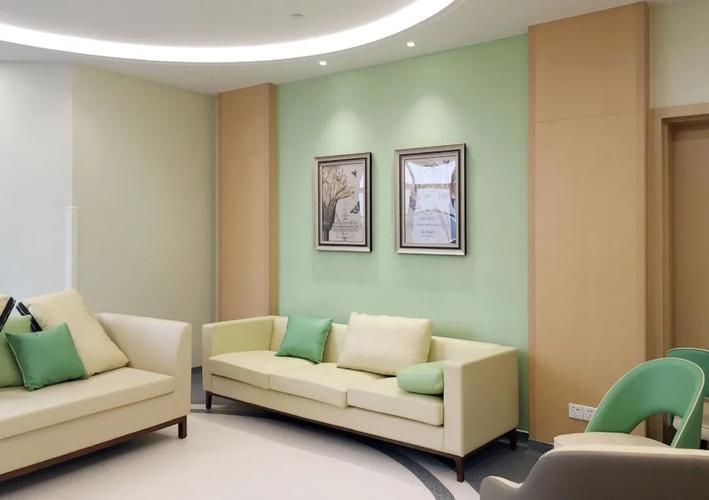
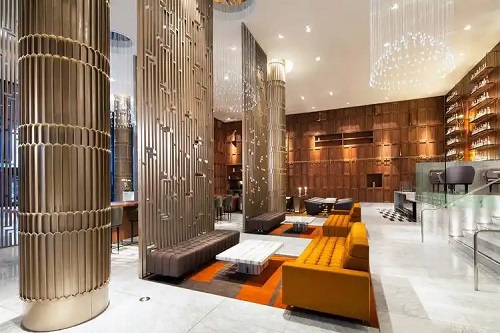
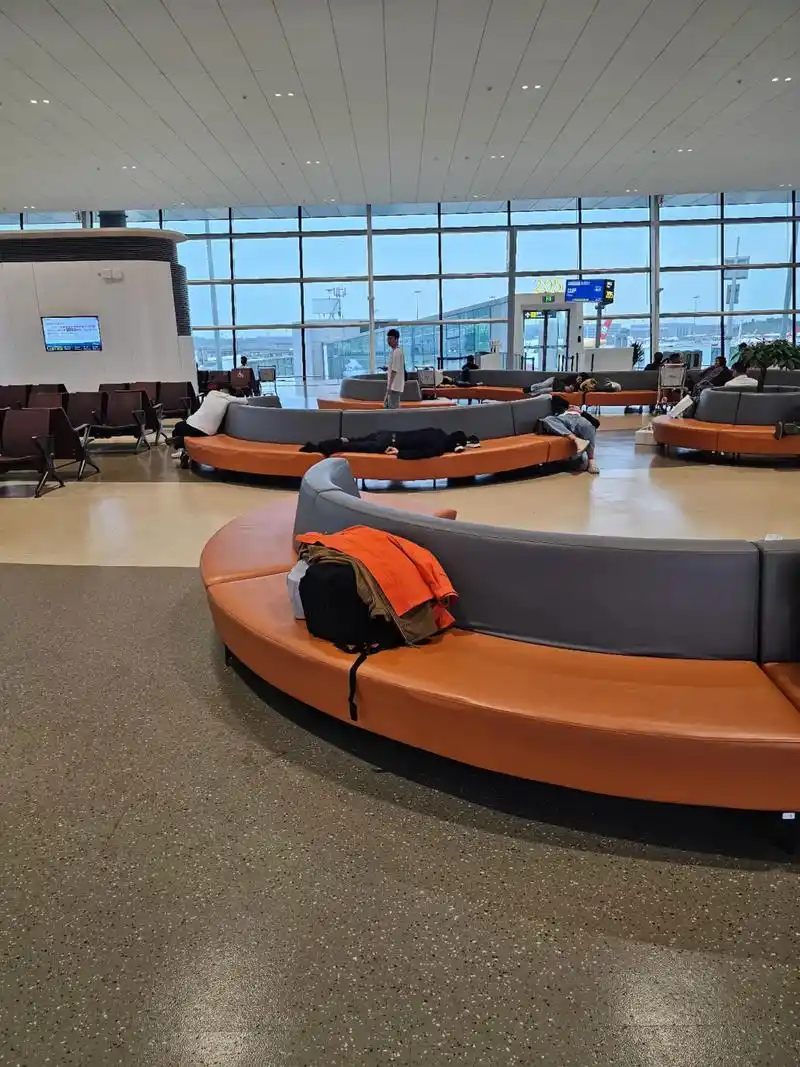
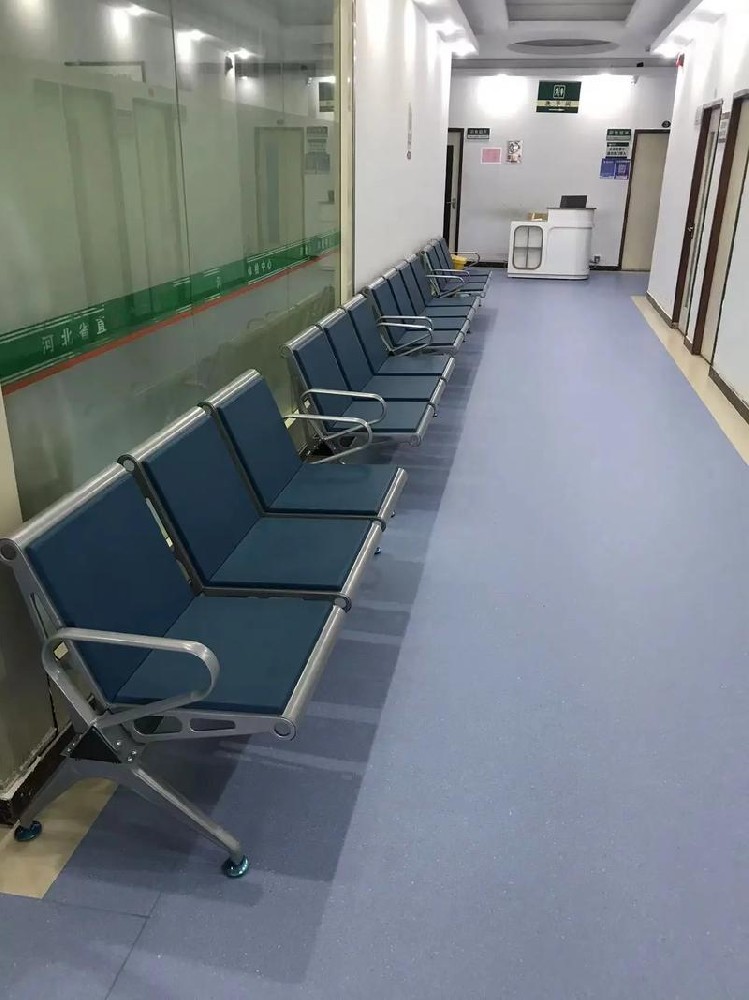
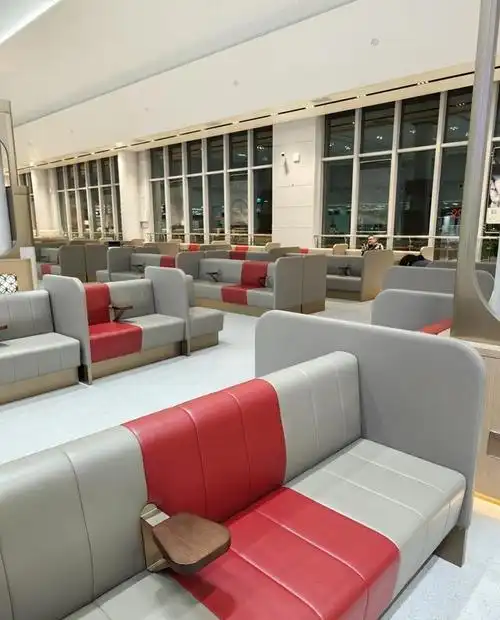
Airport terminals include different seating zones. Gate waiting areas need high durability and fast cleaning. VIP lounges need a more premium look and softer comfort. Rest areas may require better stain resistance because passengers stay longer. Food court seating has more exposure to spills. Each zone should be specified according to real use, not only visual design.
For beam seating or modular public chairs, surface toughness and edge stability are especially important. When projects need durable synthetic leather for public seating, the Furniture Sofa Leather product range can be used to shortlist suitable upholstery materials. For lounge sofas, hand feel and color coordination become more visible to passengers.
2. Review Fire and Safety Requirements Early
Airport projects may involve stricter flame retardant requirements than ordinary commercial furniture. The correct standard depends on project location, furniture type, and contract documents. Material selection should start with the required test level so the supplier can recommend suitable constructions before sampling. For demanding terminal and lounge seating, 1.0mm Silicone Coated PU Leather and Organic Silicone Antibacterial Leather are useful product references for cleanability and public-use performance.
Do not leave fire performance until the final approval stage. Late changes can affect color, surface feel, delivery time, and cost.
3. Prioritize Abrasion, Tear Strength, and Color Fastness
Passengers carry bags, coats, belts, and hard objects that can rub against upholstery surfaces. Airport seating upholstery should resist abrasion and avoid early peeling, cracking, or surface polish. For higher-end lounge seating, 1.0mm thick cow-grain microfiber leather can be compared where a softer leather-like hand feel is required. Tear strength also matters because public seating can be pulled, pressed, or stressed at seams.
4. Choose Colors That Age Well in Public Spaces
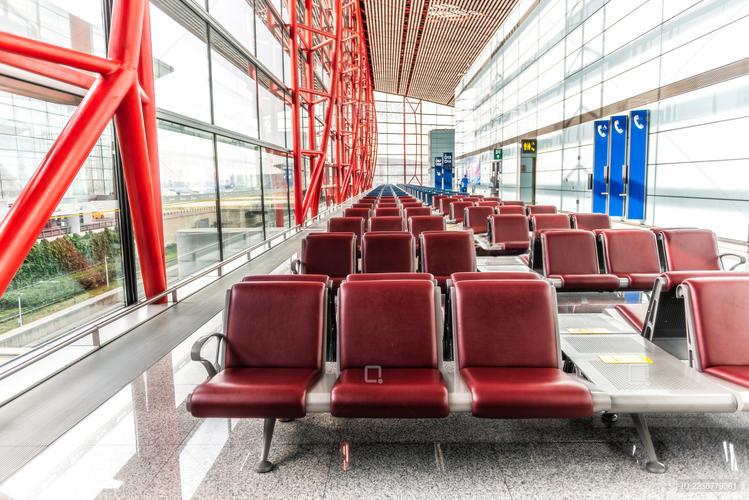
Airport seating colors often need to look clean for a long time under strong lighting. Medium neutrals, charcoal, warm gray, deep blue, tan, and dark brown are common because they balance brand identity with maintenance. Very light colors can work in VIP lounges, but they should be tested for stain resistance and denim transfer.
5. Make Maintenance Simple for Facility Teams
Airport facility teams need materials that can be cleaned consistently, not materials that require complicated care. Ask for clear cleaning guidance, compatible wiping agents, and stain removal notes. Where disinfectant cleaning is required, confirm surface compatibility before bulk approval.
6. Airport Upholstery Selection Table
| Airport Area | Material Priority |
|---|---|
| Gate waiting area | High abrasion resistance, easy cleaning, stable color. |
| VIP lounge | Premium hand feel, comfort, refined grain, stain resistance. |
| Food court seating | Water resistance, oil stain cleaning, strong seams. |
| Rest area seating | Comfort, durability, long sitting performance. |
| Public corridor seating | Scratch resistance, flame compliance, low maintenance. |
7. Supply Planning for Airport Projects
Large terminal projects may require consistent color across multiple furniture batches. Confirm production lead time, reserved batch quantity, roll labels, and replacement material availability. If future maintenance or repair is expected, keep a record of the material code and color batch used in the project.
Related Upholstery Leather Guides
FAQ
What matters most for airport seating upholstery?
Durability, fire compliance, easy maintenance, color stability, and passenger comfort are the main factors. The final priority depends on whether the material is used in a terminal, food court, waiting area, or lounge.
Can airport lounge upholstery be softer than terminal seating?
Yes. VIP and business lounges often use softer and more premium finishes, while public terminal seating usually requires stronger abrasion and cleaning performance.
Related Upholstery Leather Guides