Antibacterial Upholstery Materials | Healthcare Seating & Medical Upholstery Solutions
Explore Related Upholstery Topics
Furniture Leather Waterproof Upholstery Silicone vs PU Restaurant Upholstery Medical UpholsteryAntibacterial Upholstery Materials | Healthcare Seating & Medical Upholstery Solutions
Quick Navigation
1. What Are Antibacterial Upholstery Materials?2. Why Antibacterial Upholstery Matters3. Healthcare Seating Applications4. Key Performance Requirements5. Best Antibacterial Upholstery Materials6. Healthcare Upholstery Testing7. Frequently Asked Questions8. Related Healthcare Upholstery Guides
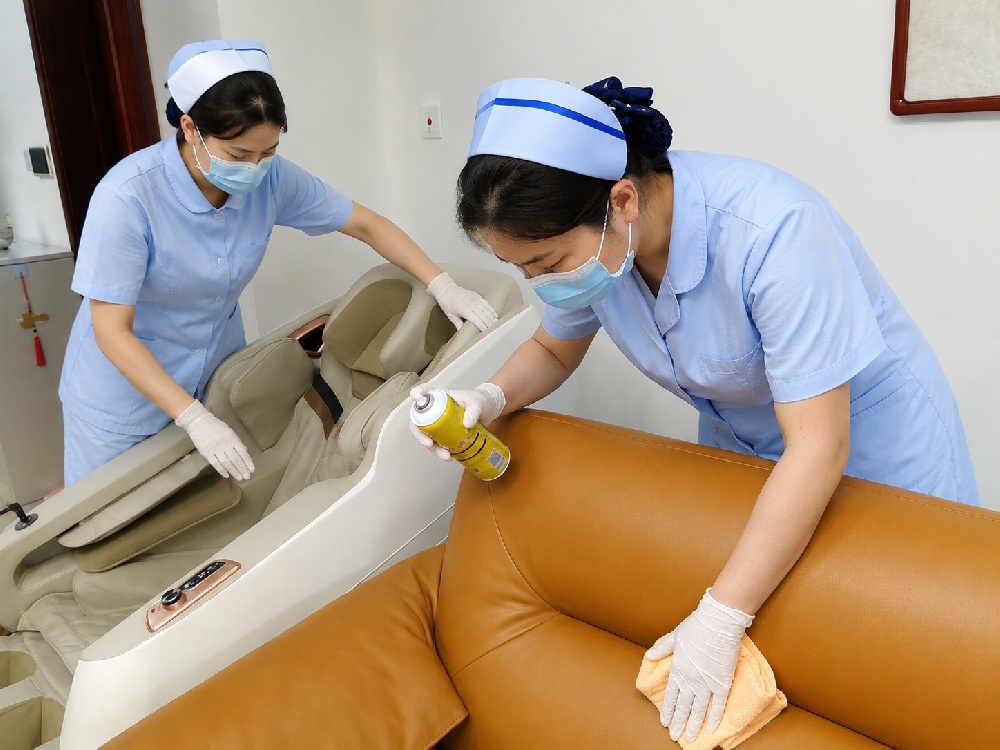
Antibacterial upholstery materials are widely used in hospitals, clinics, healthcare waiting rooms, patient seating, treatment rooms, and medical furniture applications where hygiene and easy maintenance are important.
Modern healthcare upholstery materials combine antibacterial performance with waterproof protection, disinfectant resistance, stain resistance, and long-term durability for demanding healthcare environments.
1. What Are Antibacterial Upholstery Materials?
Antibacterial upholstery materials are designed to support cleaner seating surfaces while maintaining durability, waterproof performance, and easy-clean maintenance for healthcare environments.
These materials are commonly used in healthcare seating because they help improve hygiene management while supporting frequent disinfectant cleaning.
2. Why Antibacterial Upholstery Matters
Healthcare seating surfaces experience continuous daily contact. Hospitals, clinics, waiting rooms, treatment chairs, and patient seating require upholstery materials that support easier maintenance and cleaner environments.
Antibacterial upholstery materials help improve surface hygiene while supporting long-term healthcare furniture durability.
3. Healthcare Seating Applications
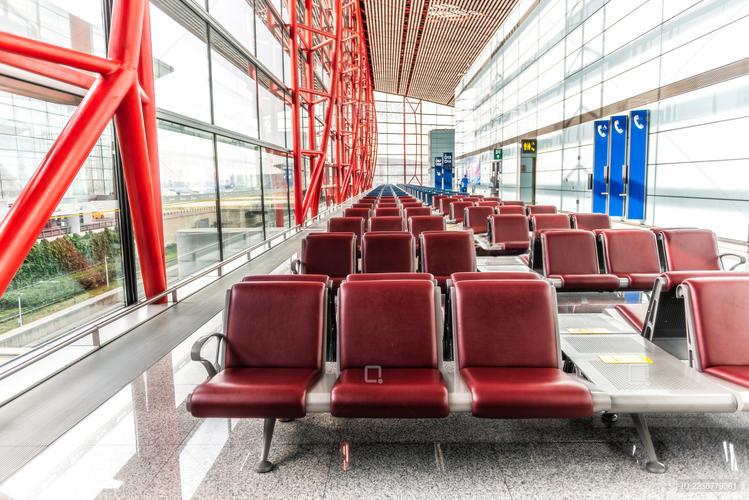
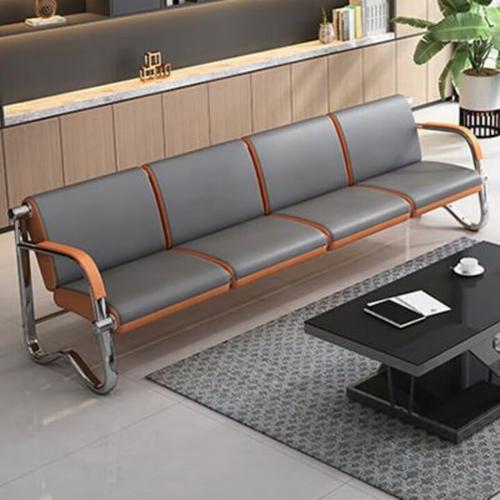
Hospital waiting room seating
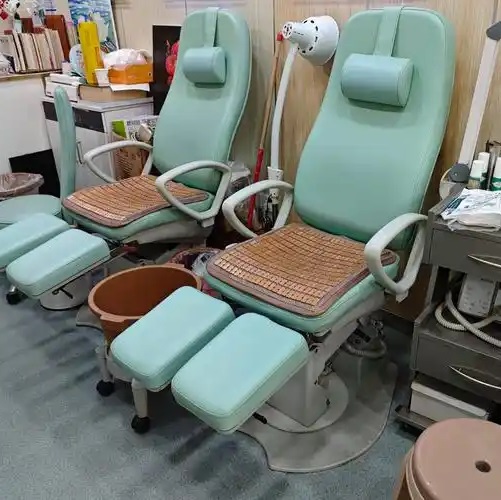
Patient chairs and recliners
Dialysis and chemotherapy seating
Dental clinic seating
Treatment room upholstery
Behavioral healthcare furniture
Healthcare lounge seating
Commercial medical furniture projects
4. Key Performance Requirements
| Performance Requirement | Healthcare Benefit |
|---|---|
| Easy-Clean Surface | Simplifies daily cleaning |
| Disinfectant Resistance | Supports repeated cleaning cycles |
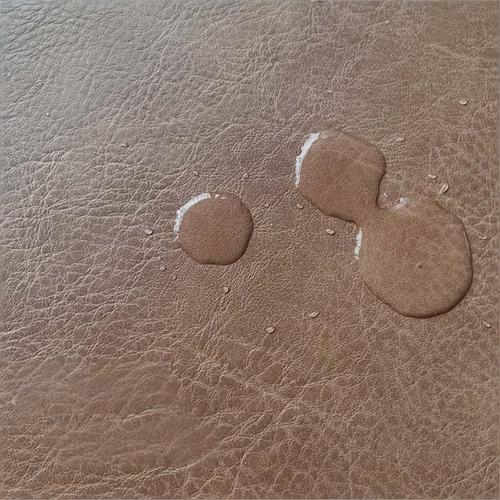
| Waterproof Protection | Prevents liquid penetration |
| Abrasion Resistance | Supports high-traffic seating durability |
| Surface Stability | Maintains long-term appearance |
5. Best Antibacterial Upholstery Materials
Healthcare PU leather, silicone upholstery, and healthcare vinyl are commonly selected because they combine waterproof protection, disinfectant resistance, stain resistance, and easy-clean maintenance.
These materials are suitable for hospitals, treatment rooms, clinics, waiting rooms, and commercial healthcare seating projects.
6. Healthcare Upholstery Testing
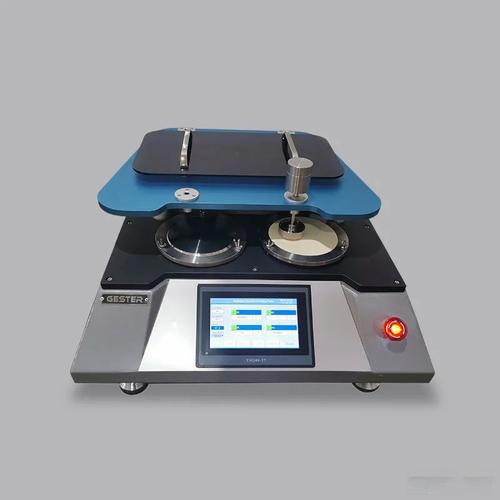
Antibacterial upholstery materials are commonly tested for abrasion resistance, waterproof performance, stain resistance, disinfectant compatibility, and long-term durability.
Healthcare upholstery testing helps ensure medical seating materials can withstand demanding commercial healthcare environments.
7. Frequently Asked Questions
Q: What are antibacterial upholstery materials?
Antibacterial upholstery materials are designed to support cleaner seating surfaces and easier healthcare maintenance.
Q: Are antibacterial upholstery materials waterproof?
Most healthcare antibacterial upholstery materials also include waterproof and easy-clean surface protection.
Q: Which healthcare seating applications use antibacterial upholstery?
Hospital waiting rooms, patient seating, dental chairs, treatment rooms, behavioral healthcare furniture, and healthcare lounges commonly use antibacterial upholstery materials.
8. Related Healthcare Upholstery Guides
Explore Antibacterial Healthcare Upholstery Materials
Yizen Leather supplies antibacterial healthcare upholstery materials including healthcare PU leather, silicone upholstery, waterproof synthetic leather, and easy-clean medical seating materials for hospitals, clinics, treatment rooms, and healthcare furniture manufacturers.
Request Antibacterial Upholstery Samples →
Related Upholstery Leather Guides