Best Leather for Sofa: How to Choose the Right Upholstery Material
Explore Related Upholstery Topics
Furniture Leather Waterproof Upholstery Silicone vs PU Restaurant Upholstery Medical UpholsteryChoosing the best leather for a sofa is no longer simply about appearance. Modern furniture buyers must evaluate softness, durability, waterproof performance, maintenance requirements, environmental standards, and long-term cost efficiency before selecting upholstery materials. This comprehensive breakdown forms an essential part of our core Synthetic Leather for Furniture Guide , serving as an engineering reference for global OEM brands and upholstery distribution networks.
Today’s furniture market includes multiple upholstery options, including PU leather, PVC leather, silicone leather, microfiber leather, and genuine leather. Each material offers different performance advantages depending on the application environment and target market.
This guide explains how professional furniture manufacturers and upholstery buyers select sofa leather materials based on real-world applications instead of generic marketing claims.
1. Why Sofa Upholstery Material Matters
A sofa is one of the most heavily used furniture products in both residential and commercial environments. Upholstery materials directly influence:
- Seating comfort and ergonomic drape
- Surface durability and flex life
- Waterproof performance and core containment
- Scratch resistance against daily high loads
- Maintenance overhead and long-term repair costs
- Overall furniture lifespan and showroom value
For furniture brands and manufacturers, choosing the wrong upholstery material can lead to customer complaints, peeling problems, hydrolysis failure, or expensive after-sales service costs.
2. There Is No “One Best” Sofa Leather
One of the biggest mistakes in furniture sourcing is assuming there is a universally “best” leather for all sofa applications. In reality, the ideal upholstery material depends heavily on environmental variables:
- Residential living spaces versus high-traffic contract commercial use
- Target project budget margins and volume requirements
- Regional climate factors, relative humidity, and temperature shifts
- High-frequency pet and child usage patterns
- Luxury aesthetic positioning versus institutional utility scaling
3. Best Leather for Different Sofa Applications
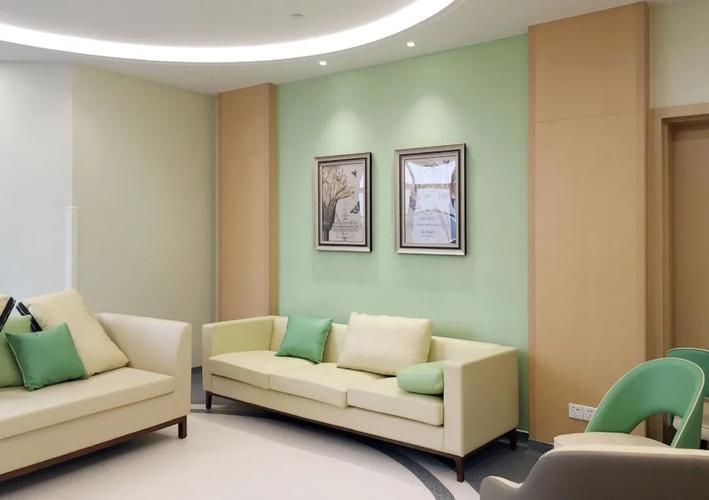
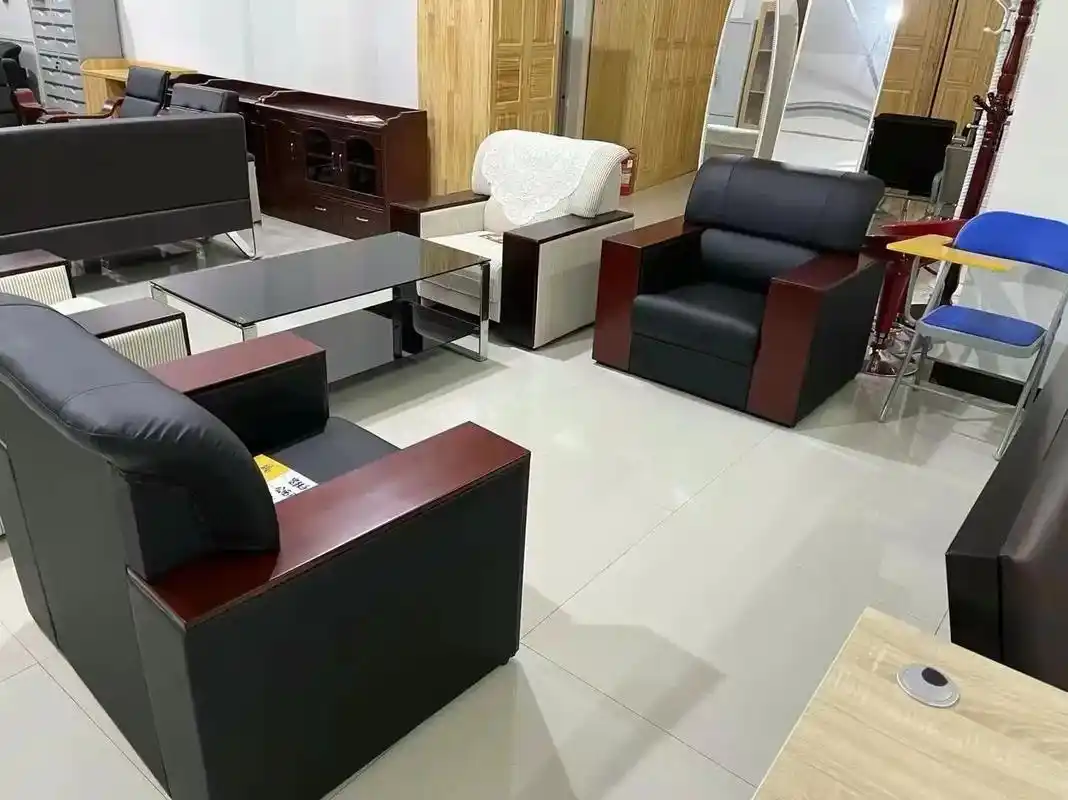
Best Leather for Residential Sofas
For home sofas, comfort, tactile warmth, and organic grain aesthetics are always the top manufacturing priorities. Recommended options include high-grade polyurethane composites, microfiber, and premium soft silicone backings.
Implementing engineered PU Leather for Sofa Applications provides excellent softness, deep cross-directional stretching properties, and strong cost-performance advantages for modern living room lines.
Best Leather for Pet-Friendly Sofas
Pet-friendly setups require dense mechanical configurations. Surfaces must resist claw scratching, puncture forces, localized staining, moisture absorption, and deep organic odor tracking.
For specialized furniture lines requiring high fluid containment and seamless stain-rejection profiles, integrating certified materials from our Waterproof Upholstery Leather Guide safeguards interior cushion foams from structural deterioration.
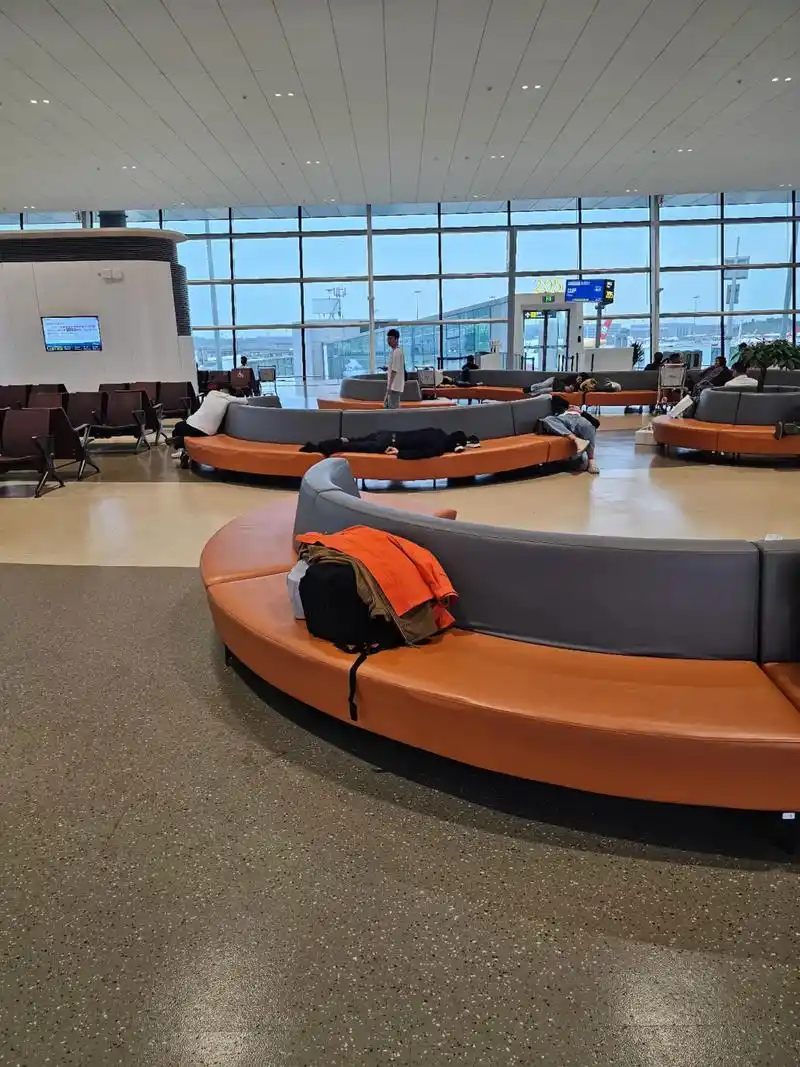
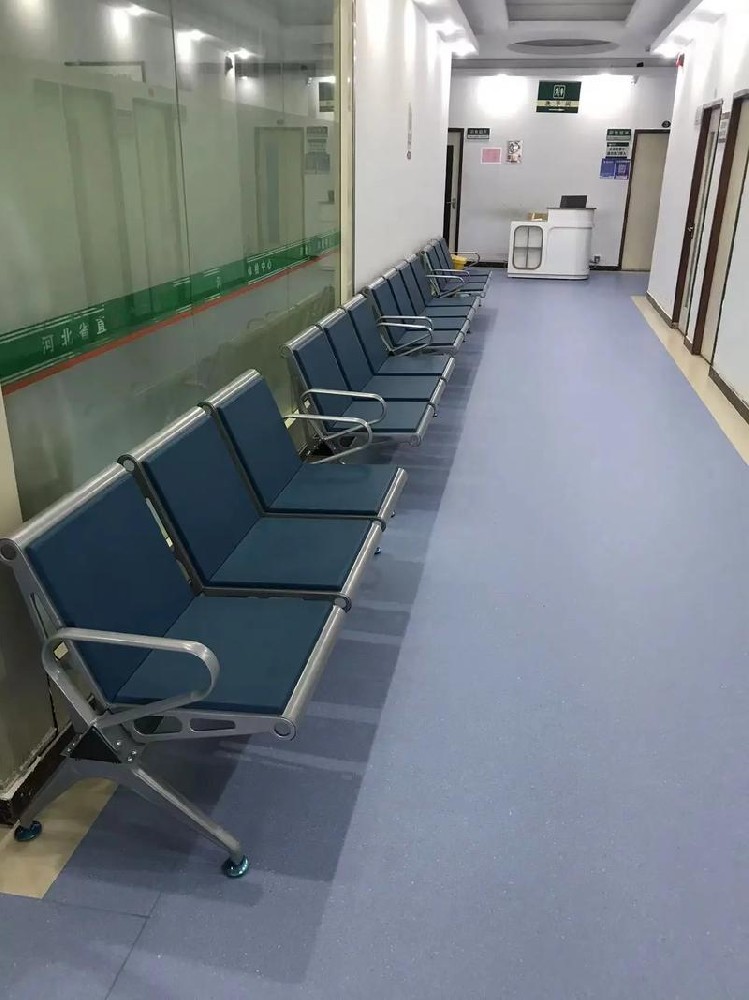
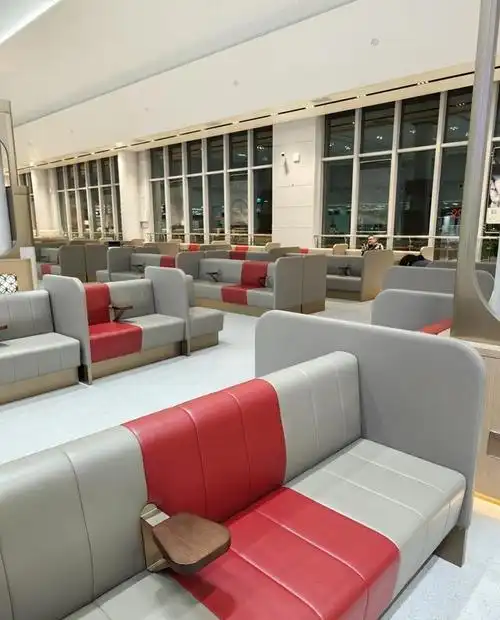
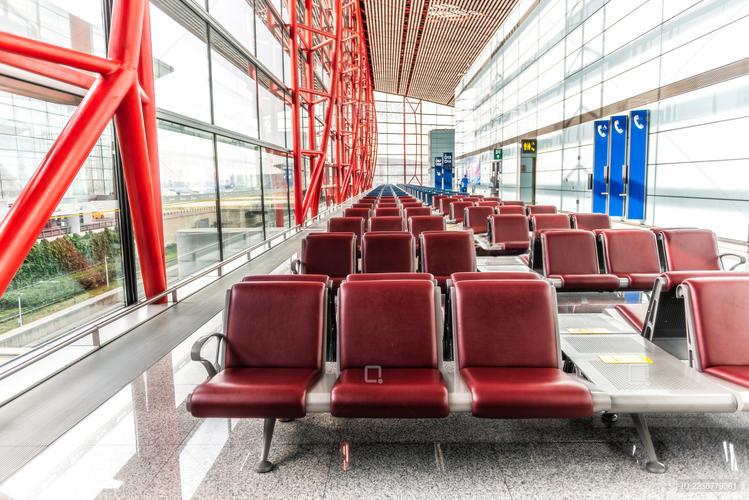
Best Leather for Commercial Sofas
Public venues, institutional waiting areas, and heavy contract seating lines prioritize absolute abrasion resistance, easy sanitation loops, and low procurement costs over soft hand feels.
For project estimating groups balancing physical characteristics between vinyl fabrics and polyurethane surfaces, reviewing our technical PU vs PVC Leather Guide guarantees that chosen specifications align with expected commercial wear lifespans.
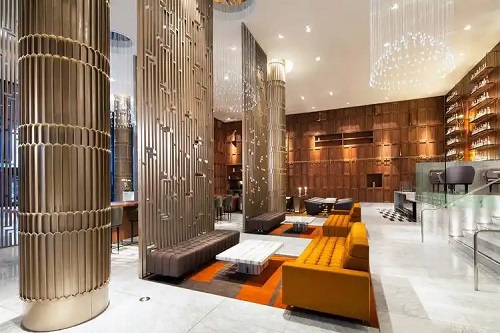
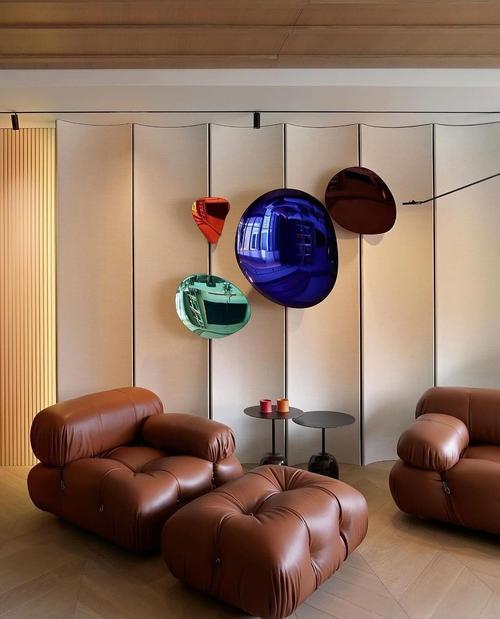
Best Leather for Luxury Sofas
Luxury executive suites and high-end residential projects prioritize grain depth, premium weight, and signature textures. If you are analyzing performance variables between premium synthetic composites and organic hides, consulting our comprehensive Faux Leather vs Real Leather Guide provides clear evaluation matrices covering cutting yields and long-term wear stability.
4. Technical Performance Comparison
| Material | Softness | Water Resistance | Abrasion Resistance | Maintenance | Best For |
|---|---|---|---|---|---|
| PU Leather | High | Good | Good | Easy | Residential Sofas |
| PVC Leather | Medium | Excellent | Excellent | Very Easy | Commercial Seating |
| Silicone Leather | High | Excellent | Excellent | Very Easy | Luxury & Hospitality |
| Microfiber Leather | High | Good | Excellent | Easy | Luxury Furniture |
Hydrolysis Resistance
Hydrolysis durability dictates an upholstery material's lifespan under warm, humid conditions. Basic polyurethane coatings face chemical breakdown over time when exposed to ambient moisture and body perspiration, leading to early cracking. Advanced silicone polymer and heavy-duty polyether matrices provide exceptional chemical defense, ensuring a peeling-free service life.
Martindale Abrasion Resistance
Industrial buyers utilize standardized rub cycle testing to map long-term surface stability across production lines:
- Residential Seating Benchmarks: 15,000 – 25,000 cycles
- Standard Commercial Projects: 30,000 – 50,000+ cycles
- Heavy Contract & Hospitality Spaces: 50,000 – 100,000+ cycles
5. Commercial Buyer Guide
Professional furniture manufacturing groups rarely verify selection profiles based on visual appearance alone. Engineering procurement divisions carefully isolate multiple mechanical factors during material qualification:
- Total volume yield-to-cost efficiency margins
- Batch-to-batch colorimetric consistency across large manufacturing lots
- Accelerated aging room hydrolysis survival data
- Absolute fluid and grease barrier containment levels
- Low-VOC outgassing profiles to preserve indoor air quality
- Regional flame retardant compliance metrics (e.g., CAL 117, BS5852 Source 5)
Operating as a specialized, direct-source synthetic leather manufacturer from Foshan’s core production hub, our facility manages customized upholstery solutions for residential furniture brands, high-traffic hospitality projects, and volume OEM commercial seating lines globally.
6. Frequently Asked Questions (FAQ)
Q: What is the single best leather for a sofa project?
A: There is no single universal option. The best choice depends on your application. Calibrated PU leather provides excellent softness for residential comfort, while premium silicone polymers provide unmatched performance in luxury, stain-heavy, or high-traffic environments.
Q: Which sofa leather configuration provides the easiest cleaning cycles?
A: Advanced silicone leather coatings and marine-grade treated PVC vinyl supply the highest stain-rejection profiles, allowing easy wipe-downs without surface degradation.
Q: Is modern PU leather durable enough for large sofa manufacturing?
A: Yes. High-spec polyurethane leather formulated with stable polyether or polycarbonate resins delivers excellent elasticity, deep textures, and durable performance for modern home lines.
Q: Which synthetic upholstery option achieves the longest service lifespan?
A: High-performance silicone leather and ultra-dense microfiber bases yield the highest structural tensile strength and hydrolysis resistance available in the market.
Conclusion
The best leather for a sofa depends on balancing tactile comfort, abrasion durability, maintenance overhead, target project budgets, and specific application settings. Modern engineered upholstery options—including PU composites, silicone matrices, and high-strength microfiber backings—supply exceptional design flexibility across modern furniture channels.
As commercial furniture markets transition toward stain-resistant, pet-friendly, and sustainable upholstery specifications, partnering with a primary source facility ensures production consistency and verified testing compliance. Explore our complete manufacturing catalog via the Sofa Synthetic Leather Wholesale Hub or contact our technical sales team to request custom color-matching swatches for your upcoming furniture run.
Related Upholstery Leather Guides