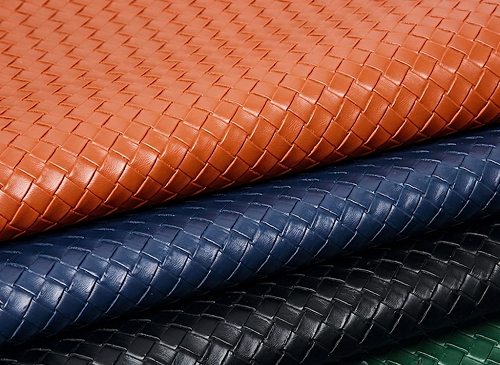
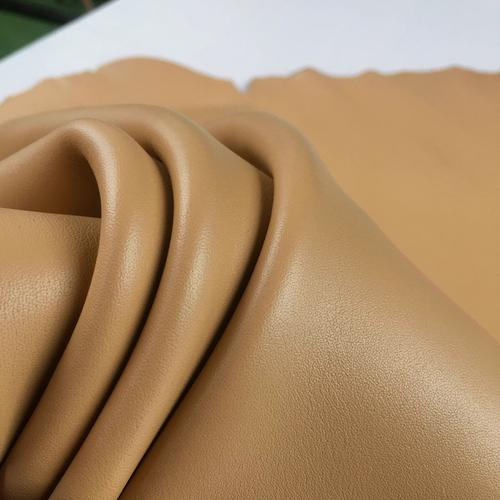
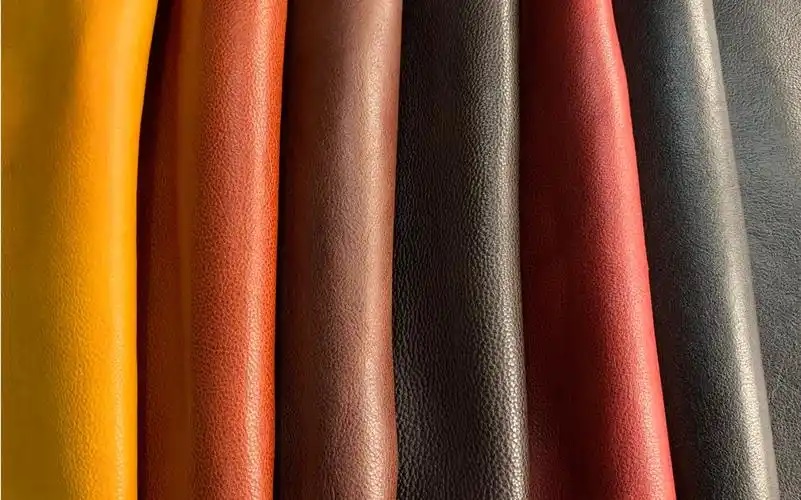
Best Leather Materials for Bags
Explore Related Upholstery Topics
Furniture Leather Waterproof Upholstery Silicone vs PU Restaurant Upholstery Medical UpholsteryBest Leather Materials for Bags
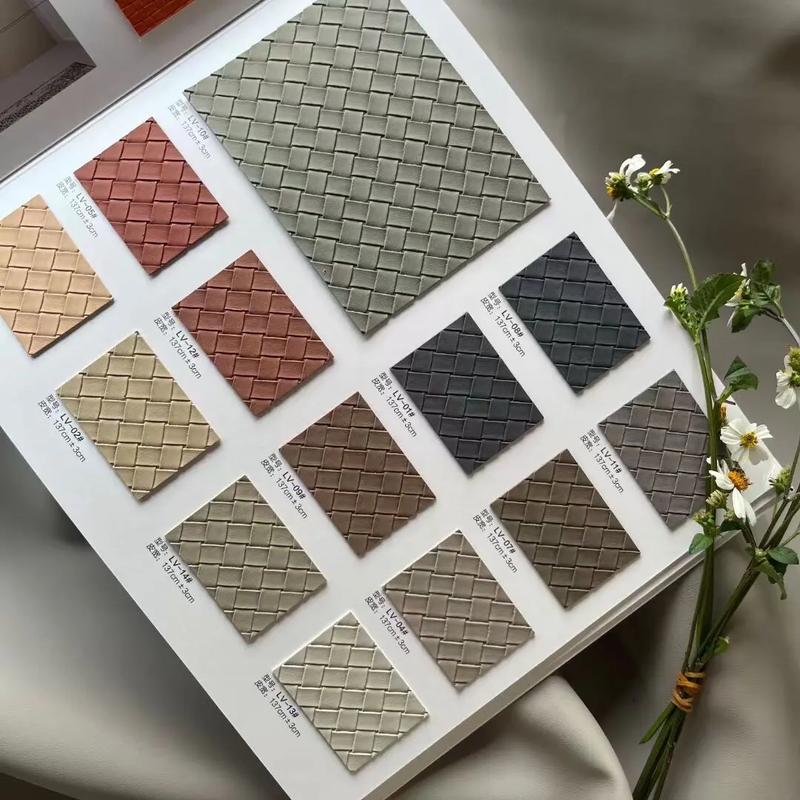
Overview
Best Leather Materials for Bags is a practical material topic for B2B buyers who need to choose synthetic leather, microfiber leather, PU leather, PVC leather, suede-like materials or upholstery alternatives for real production. The goal of this guide is not to repeat a simple definition. It helps bag factories, fashion brands, importers and accessory sourcing teams understand how material structure, appearance, performance and supplier capability affect commercial purchasing decisions.
Yizen Leather manufactures synthetic leather materials for furniture, upholstery, bags, shoes, hospitality seating, healthcare seating and commercial projects. From a manufacturer perspective, the best material is not always the most expensive material. The best material is the one that matches the product design, cutting method, sewing process, cleaning requirement, target cost, color system, quality standard and repeat order plan.
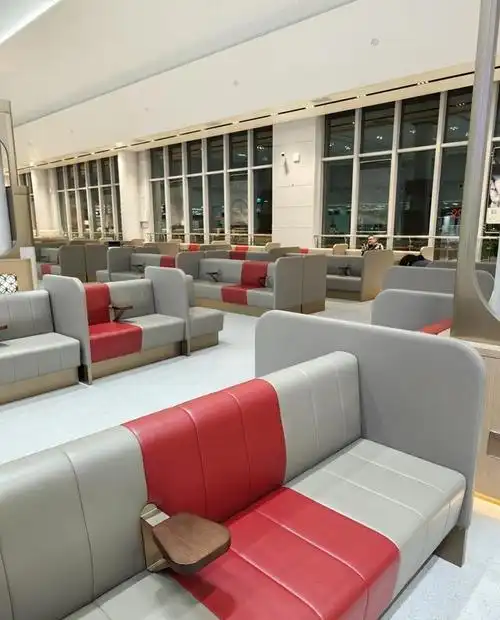
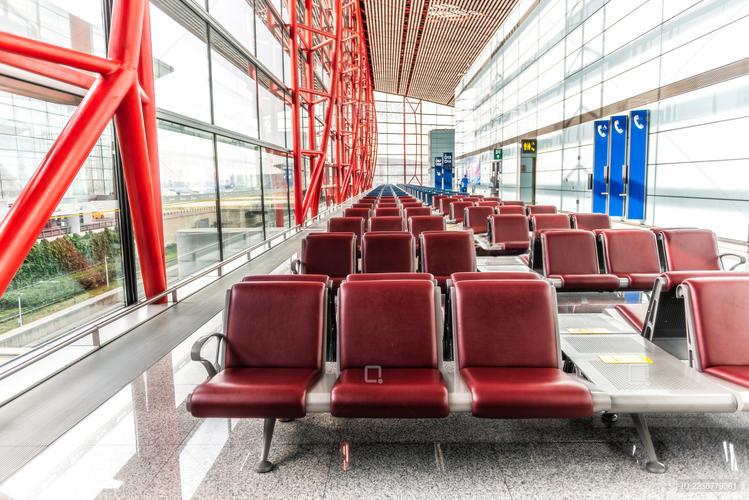
This page focuses on compare PU, PVC, microfiber, faux suede and specialty synthetic materials for handbag and luggage production. Buyers can also compare related commercial pages such as Commercial Upholstery Leather, Hospitality Upholstery Leather, Restaurant Booth Upholstery, Office Seating Upholstery Leather, Airport Seating Upholstery, Medical Upholstery Leather, Waiting Area Upholstery Material, Cinema Seating Upholstery when they need application-specific specifications.
Material Definition and Buyer Context
In synthetic leather sourcing, a product name can hide many technical differences. Two suppliers may both use the same name, but the surface coating, base fabric, backing, thickness, hand feel, embossing, color fastness and production process can be very different. That is why serious buyers should define the material by specification and use condition, not by name alone.
For best leather materials for bags, the buyer should first identify the final product, expected service life, visual positioning and cleaning environment. A bag material may need flexibility and edge finishing. A shoe upper may need bending resistance and comfort. A sofa material may need hand feel, color consistency and abrasion resistance. A healthcare or public seating material may need disinfectant resistance, waterproof cleaning and stronger documentation.
Yizen Leather usually recommends starting with samples and application details. A clear request should include product category, thickness target, backing preference, color direction, grain texture, roll quantity, performance tests and whether the order requires OEM development. This gives the factory enough information to recommend a realistic construction.
Comparison Table
| Buying Factor | What To Check | Why It Matters |
|---|---|---|
| Material structure | Surface layer, base fabric, backing, thickness and finish should be confirmed by sample. | Ask for construction details, not only a product name. |
| Best application fit | handbags, backpacks, luggage | Match the material to end use before negotiating price. |
| Quality control | Abrasion, colorfastness, hydrolysis, peel strength, cleaning and cutting behavior. | Choose test items according to product risk. |
| Manufacturing value | Stable roll supply, color consistency, repeat order control and OEM support. | Important for factories and distributors. |
| Buying risk | Wrong material for the application, unclear cleaning method, poor backing or inconsistent batches. | Approve samples and keep records for repeat orders. |
A comparison table is useful, but it should not replace sample testing. Many leather material problems appear only after cutting, sewing, bonding, cleaning or using the material on the actual product frame. For large B2B orders, the safest workflow is sample review, small production trial, written specification confirmation and then bulk order approval.
Application Scenarios
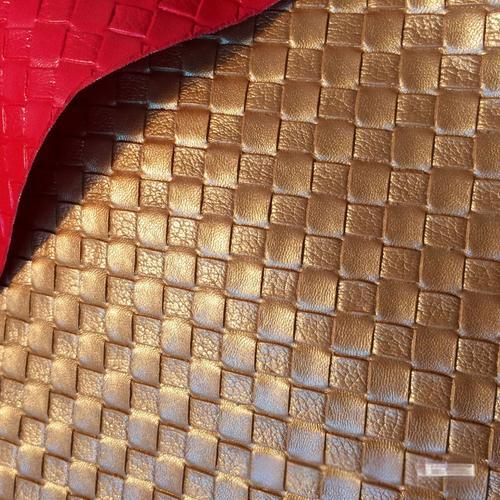
Different applications require different material priorities. A buyer choosing material for export furniture may care about roll stability and repeated color control. A bag factory may focus on touch, cutting loss, crease behavior and surface appearance. A shoe factory may focus on flexibility, bonding, abrasion and bending. A commercial seating contractor may focus on cleanability, abrasion, flame-retardant options and long-term replacement supply.
- Handbags: suitable when the project needs controlled appearance, practical performance and repeatable roll supply.
- Backpacks: suitable when the project needs controlled appearance, practical performance and repeatable roll supply.
- Luggage: suitable when the project needs controlled appearance, practical performance and repeatable roll supply.
- Wallets: suitable when the project needs controlled appearance, practical performance and repeatable roll supply.
- Fashion Accessories: suitable when the project needs controlled appearance, practical performance and repeatable roll supply.
The key is to avoid one universal specification for every product. Even when two products use synthetic leather, their risk points can be different. Yizen Leather can help buyers compare application needs and prepare sample options for several product categories at the same time.
Practical Buying Guidance
Before asking for a quotation, prepare a short material brief. Include the final product, target market, expected quantity, color direction, thickness, roll width, texture, softness, backing, cleaning requirement and any test standards. If the current product already has a sample, send photos or a physical swatch. If the buyer is replacing genuine leather or another synthetic leather, explain what needs to improve: cost, color stability, durability, sustainability, supply speed or easier cleaning.
Price should be discussed after the specification is clear. A low unit price can become expensive if the material causes cutting waste, sewing problems, color variation, customer returns or shorter service life. For B2B sourcing, the real cost includes material price, production efficiency, defect rate, lead time, repeat order stability and after-sales risk.
For overseas buyers, supplier communication is also part of the buying decision. A reliable supplier should explain available constructions, send appropriate samples, support custom color matching, confirm MOQ and lead time, and keep clear records for repeat orders. This is especially important for distributors and brands that need stable supply across multiple seasons.
Quality Checklist
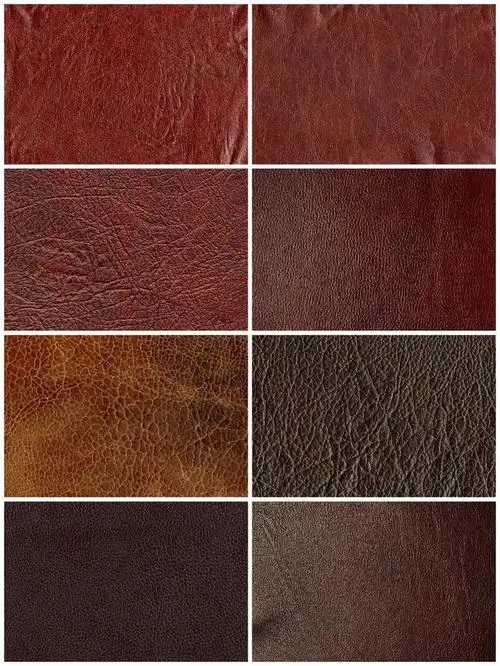
Quality should be checked according to application, not only by looking at the surface. A smooth surface can still fail if the backing is weak. A thick material can still be unsuitable if it is too stiff for the product design. A beautiful color can still create problems if colorfastness or batch consistency is poor.
- Check surface appearance, grain consistency, color shade and hand feel under normal lighting.
- Confirm thickness, width, backing type, roll length and acceptable tolerance before bulk production.
- Test abrasion, rubbing, bending, tear strength or peel strength when the application requires durability.
- Review cleaning method and chemical resistance for upholstery, healthcare, hospitality and public seating.
- Run a cutting and sewing trial on the real product pattern before confirming a large order.
- Keep an approved sample, color code and written specification for repeat orders.
Supplier Questions To Ask
Good supplier questions reduce purchasing risk. Instead of asking only for the lowest price, ask what construction is recommended for the product and why. Ask whether the material is stocked or custom made, whether color matching is available, whether the backing can be adjusted, and whether performance documents can be provided when needed.
For best leather materials for bags, buyers should also ask about sample lead time, bulk lead time, MOQ, packing, roll inspection, color control and long-term repeat supply. If the project requires custom colors or custom grain patterns, confirm the development process early. For furniture and upholstery projects, ask whether the material has been used in similar seating applications.
Frequently Asked Questions
Is best leather materials for bags suitable for commercial production?
Yes, if the selected construction matches the product and performance requirements. Commercial production should be based on samples, confirmed specifications and realistic testing rather than material name alone.
Can Yizen Leather provide custom colors and grain patterns?
Yes. Yizen Leather can support custom color matching, custom grain options, different backing choices, surface hand feel adjustment and OEM material development for suitable order quantities.
How should buyers compare suppliers?
Compare product consistency, sample quality, communication, manufacturing capability, quality control process, lead time, documentation and repeat order support. The lowest price is not always the safest purchasing choice.
Do buyers need testing before bulk orders?
For commercial furniture, bags, shoes, automotive trim, healthcare seating and public seating, testing is strongly recommended. The test items should match the final application and market requirements.
Can one material be used for bags, shoes, sofas and car seats?
Sometimes one material family can serve several categories, but the exact construction usually needs adjustment. Thickness, backing, softness, abrasion resistance and surface finish should be chosen by application.
Request Synthetic Leather Material Samples
Contact Yizen Leather for material samples, custom colors, custom grain patterns, OEM development, supplier consultation and commercial upholstery solutions.
- Sample Requests
- OEM Manufacturing
- Custom Colors
- Custom Grain Patterns
- Project Consultation
- Commercial Upholstery Solutions
Contact Page: https://yizenleather.com/?contact/
Email: wey@yizenleather.com
WhatsApp: 8613620853421
Related Upholstery Leather Guides