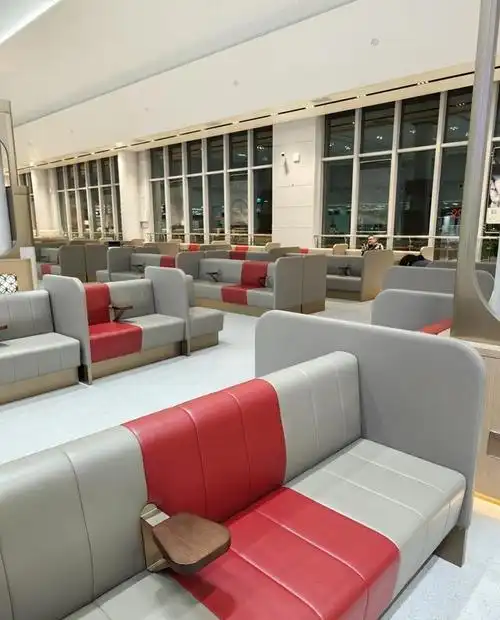
Best Upholstery Materials for Restaurant Booth Seating
Explore Related Upholstery Topics
Furniture Leather Waterproof Upholstery Silicone vs PU Restaurant Upholstery Medical UpholsteryBest Upholstery Materials for Restaurant Booth Seating
Quick Navigation
1. Why Upholstery Matters for Restaurant Booth Seating 2. Key Requirements for Restaurant Upholstery 3. Best Upholstery Materials for Restaurant Booths 4. PU Leather vs Vinyl Restaurant Seating 5. Easy Cleaning and Maintenance 6. Restaurant Booth Design Trends 7. How Buyers Choose Restaurant Booth Upholstery 8. Frequently Asked Questions
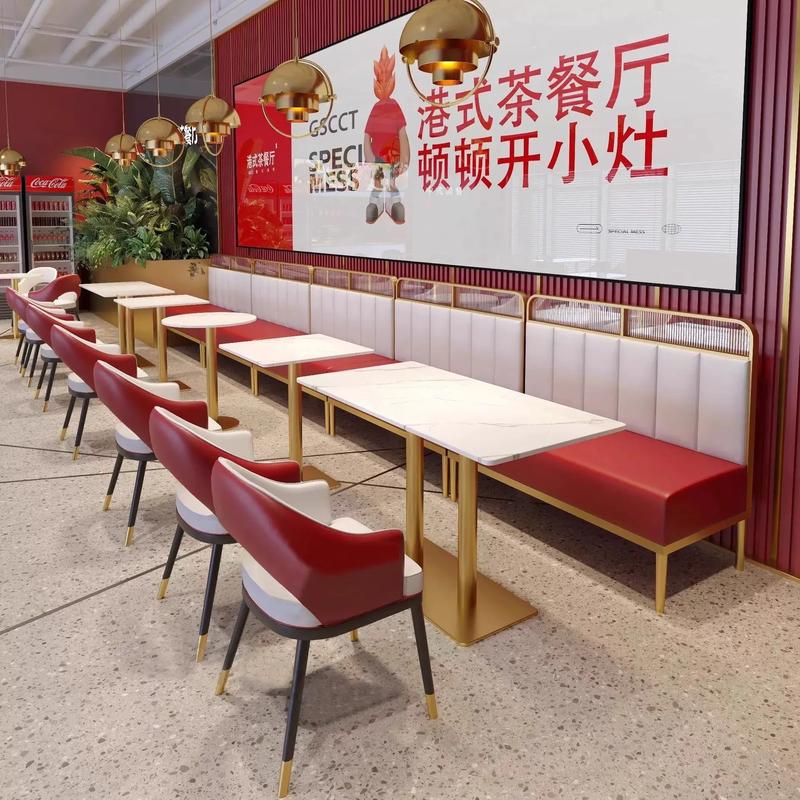
Restaurant booth seating experiences continuous customer use, food spills, beverage stains, repeated cleaning, moisture exposure, and high daily traffic. Because of this, restaurant upholstery materials need stronger durability and easier maintenance than ordinary residential sofa materials.
The best upholstery materials for restaurant booth seating usually combine waterproof protection, easy-clean performance, stain resistance, abrasion resistance, comfortable touch, and stable appearance for long-term commercial use.
1. Why Upholstery Matters for Restaurant Booth Seating
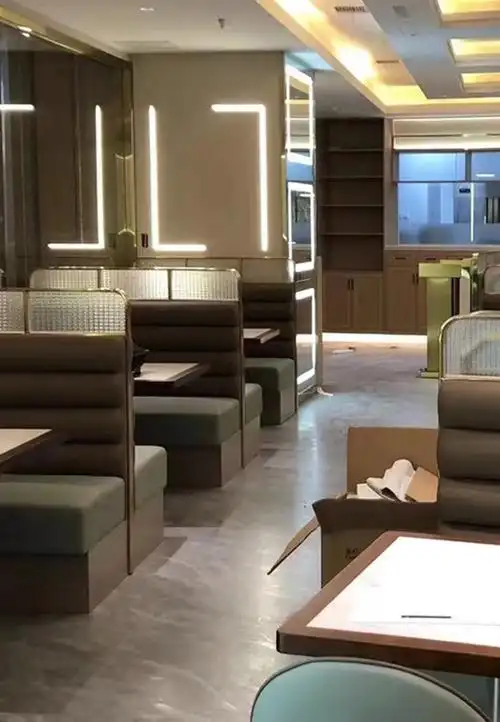
Restaurant booth upholstery is not only a decorative surface. It directly affects customer seating comfort, daily cleaning efficiency, restaurant image, and long-term furniture replacement cost.
In busy restaurants and cafes, booth seating may be used by hundreds of customers every day. Poor upholstery materials can quickly show stains, cracking, surface peeling, color fading, or uncomfortable hardening.
2. Key Requirements for Restaurant Upholstery
Restaurant furniture buyers should select upholstery materials based on the actual use environment, cleaning frequency, food and beverage exposure, and customer traffic level.
Waterproof protection against spills and moisture
Easy-clean performance for daily restaurant maintenance
Stain resistance against sauces, coffee, drinks, and food oil
Abrasion resistance for high traffic booth seating
Soft and comfortable surface for customer seating
Stable color and texture for commercial interiors
Flexible backing for curved booth and banquette designs
3. Best Upholstery Materials for Restaurant Booths
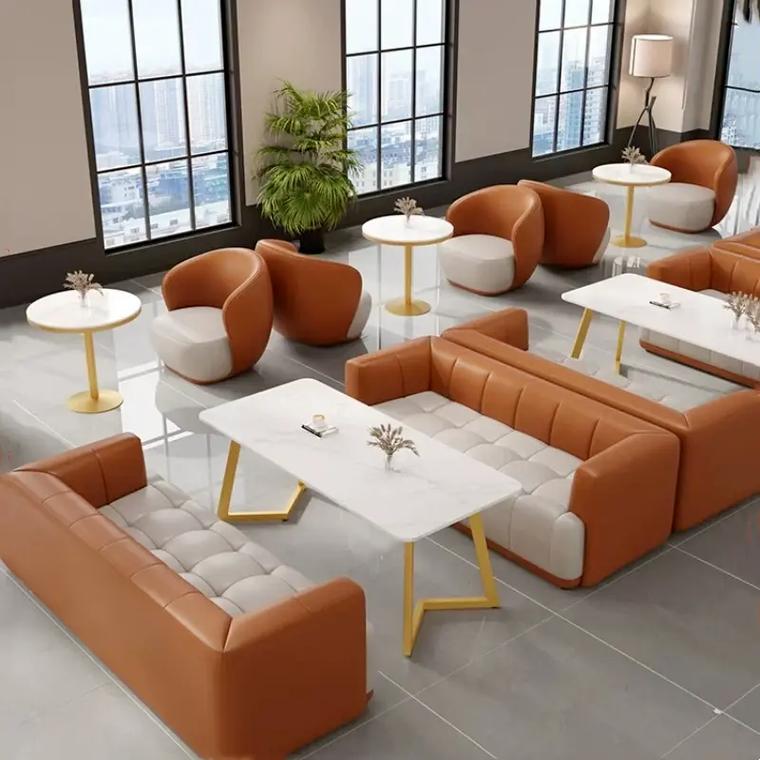
PU Leather Upholstery
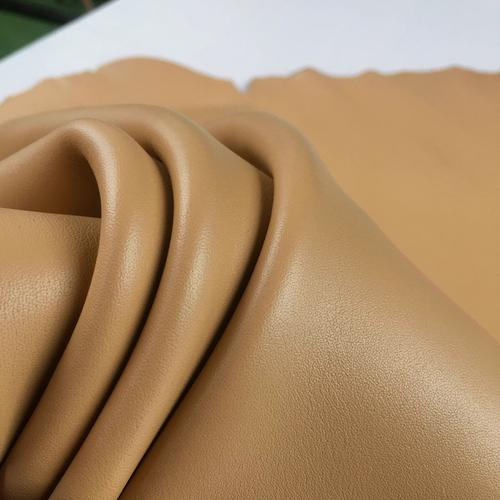
PU leather is widely used for restaurant booth seating because it offers leather-like appearance, comfortable touch, flexible processing, and relatively easy cleaning. It is suitable for cafes, casual restaurants, dining lounges, and modern commercial seating.
Vinyl Upholstery
Vinyl upholstery is a popular option for restaurant seating because it provides strong waterproof performance, good stain resistance, and easy daily maintenance. It is often used in high traffic dining areas.
Silicone Upholstery
Silicone upholstery is suitable for premium restaurant and hospitality interiors that require stronger hydrolysis resistance, stain resistance, soft touch, and long-term durability.
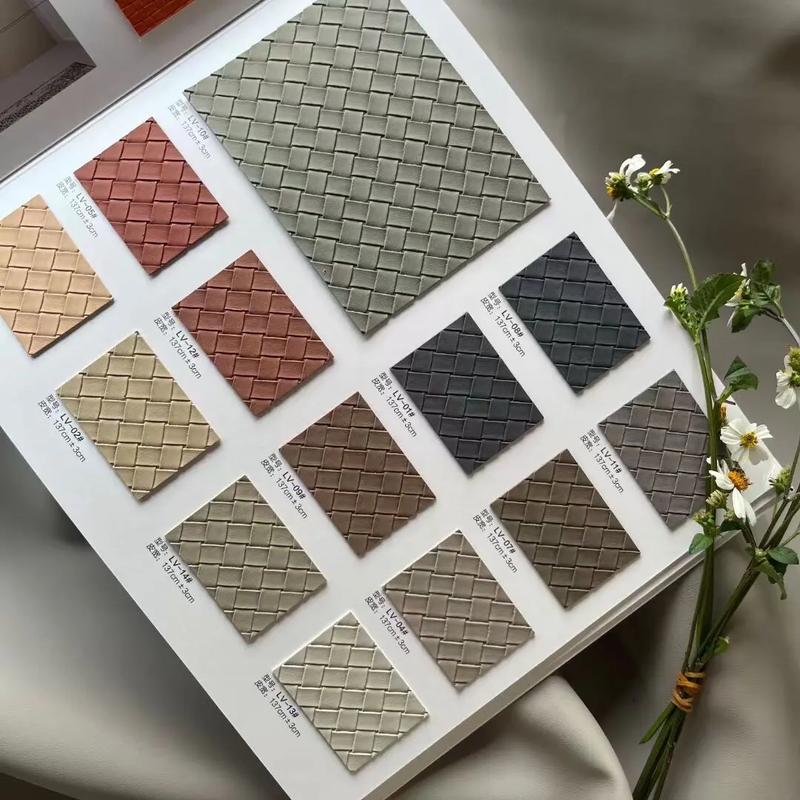
Woven Upholstery Materials
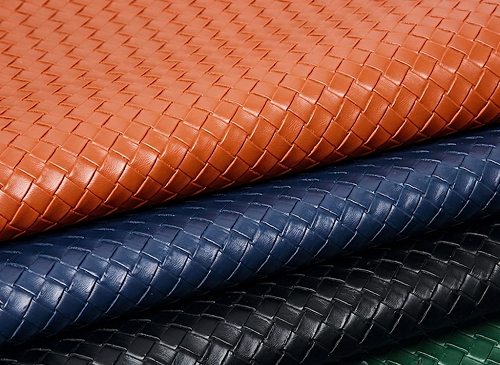
Woven upholstery materials are often selected for cafes, coffee shops, and hospitality spaces where texture, warmth, and decorative appearance are important. They are better suited for areas with lower spill risk or where removable cushion design is used.
4. PU Leather vs Vinyl Restaurant Seating
PU leather and vinyl are both commonly used in restaurant booth seating. The right choice depends on restaurant positioning, cleaning requirements, budget, and desired seating feel.
| Material | Advantages | Best Use |
|---|---|---|
| PU Leather | Softer touch, leather-like appearance, flexible texture options | Modern restaurants, cafes, hospitality lounges |
| Vinyl Upholstery | Waterproof, easy to clean, strong stain resistance | High traffic dining areas, fast food restaurants, commercial booths |
| Silicone Upholstery | Premium touch, excellent durability, strong stain resistance | Luxury restaurants, hotels, premium hospitality seating |
For many restaurant projects, vinyl is chosen for heavy-duty waterproof performance, while PU leather is selected when a softer and more refined seating appearance is required.
5. Easy Cleaning and Maintenance
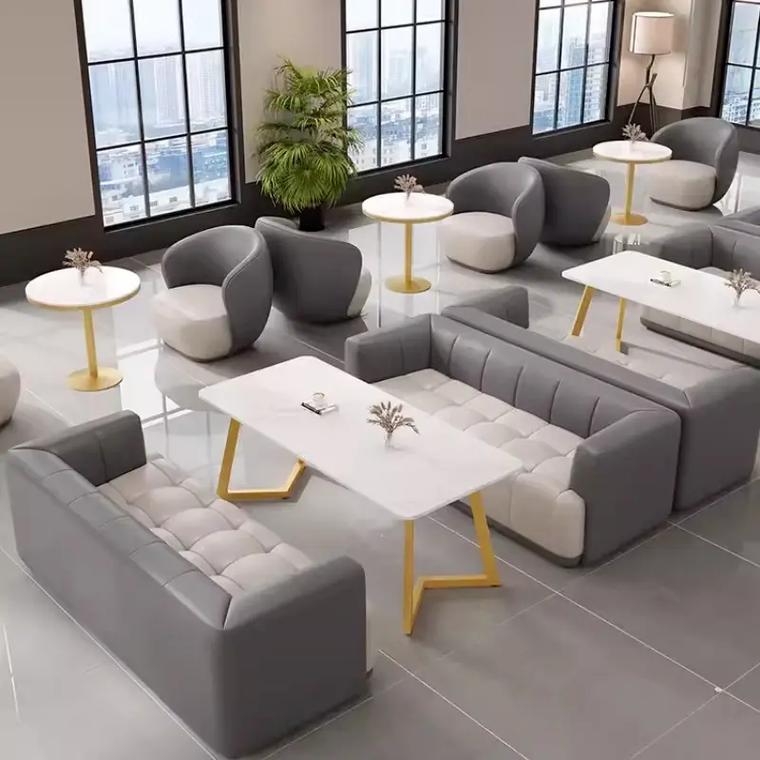
Restaurant seating surfaces are cleaned frequently throughout the day. Upholstery materials should support quick wiping, stain removal, and long-term surface stability under routine cleaning.
Choose waterproof or low-absorption surfaces for spill-prone areas
Use easy-clean upholstery for high turnover seating zones
Avoid rough cleaning pads that may damage the surface
Clean food oil and beverage spills as soon as possible
Check seams and edges regularly in banquette seating
6. Restaurant Booth Design Trends
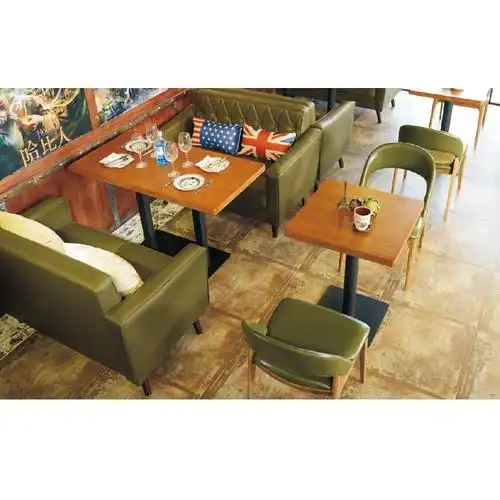
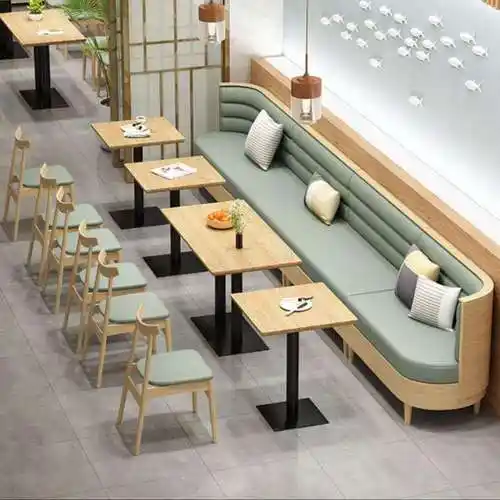
Restaurant booth seating is now part of the brand atmosphere. Upholstery texture, color, and seating shape all influence how customers experience the dining space.
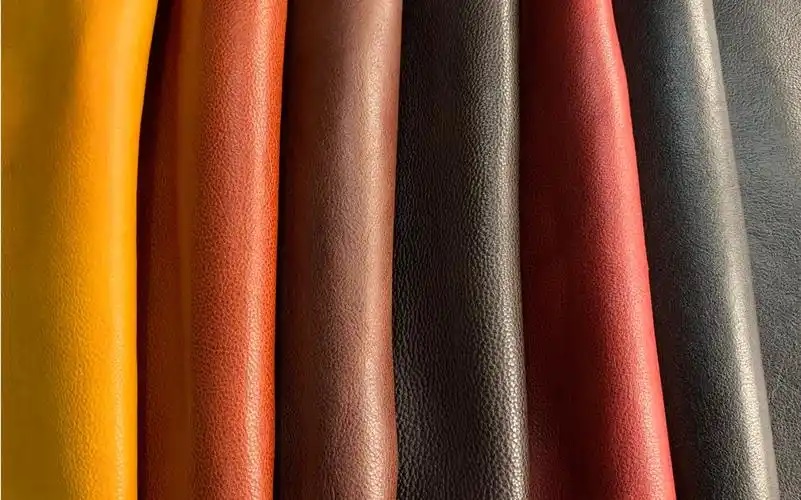
Modern cafe booths, vintage restaurant banquettes, colorful dining seating, and minimalist booth designs all require different upholstery choices.
7. How Buyers Choose Restaurant Booth Upholstery
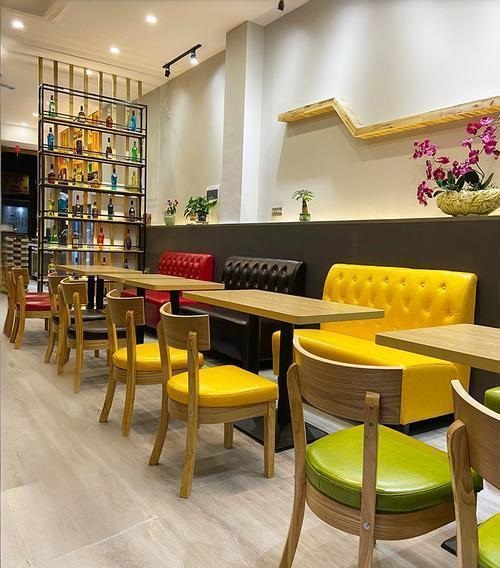
Commercial furniture buyers usually evaluate restaurant booth upholstery based on performance, cleaning requirements, interior design style, budget, and production needs.
Restaurant furniture manufacturers also consider cutting efficiency, color consistency, backing strength, and material flexibility when selecting upholstery for booth seating production.
For high traffic dining environments, buyers should prioritize easy-clean surfaces, waterproof performance, strong backing, and stable supply capability.
8. Frequently Asked Questions
Q: What is the best upholstery material for restaurant booth seating?
PU leather, vinyl upholstery, silicone upholstery, and waterproof commercial seating materials are commonly used depending on cleaning needs, durability requirements, and interior style.
Q: Why is vinyl upholstery commonly used in restaurants?
Vinyl upholstery offers waterproof protection, easy cleaning, and strong stain resistance, making it suitable for high traffic commercial dining environments.
Q: Is PU leather suitable for restaurant seating?
Yes. PU leather is widely used in restaurant furniture because it provides comfortable seating, modern appearance, and relatively easy maintenance.
Q: What upholstery is easiest to clean for restaurant furniture?
Waterproof vinyl upholstery and easy-clean PU leather are commonly selected for restaurant booth seating because they simplify daily cleaning.
Related Upholstery Guides
Explore Restaurant Booth Upholstery Materials
Yizen Leather supplies commercial upholstery materials for restaurant booth seating, cafe furniture, hospitality interiors, dining lounges, and commercial furniture manufacturers. We support PU leather, vinyl upholstery, waterproof seating materials, easy-clean commercial upholstery, and customized restaurant seating solutions.
Related Upholstery Leather Guides