Commercial Upholstery Leather Specification Checklist for Contract Furniture
Explore Related Upholstery Topics
Furniture Leather Waterproof Upholstery Silicone vs PU Restaurant Upholstery Medical UpholsteryCommercial upholstery leather is usually selected under pressure: the furniture must look right, survive heavy use, meet project requirements, and stay easy to maintain after installation. A good specification is more than a color choice. It should describe performance, surface feel, cleaning expectations, backing, fire requirements, roll consistency, and how the material will be used in the final seating.
This checklist is written for furniture factories, contractors, purchasing teams, and designers comparing upholstery materials for commercial sofas, lounge chairs, banquettes, reception seating, and other contract furniture. It focuses on details that help reduce rework and make sampling decisions clearer before bulk production.
1. Define the Seating Environment First
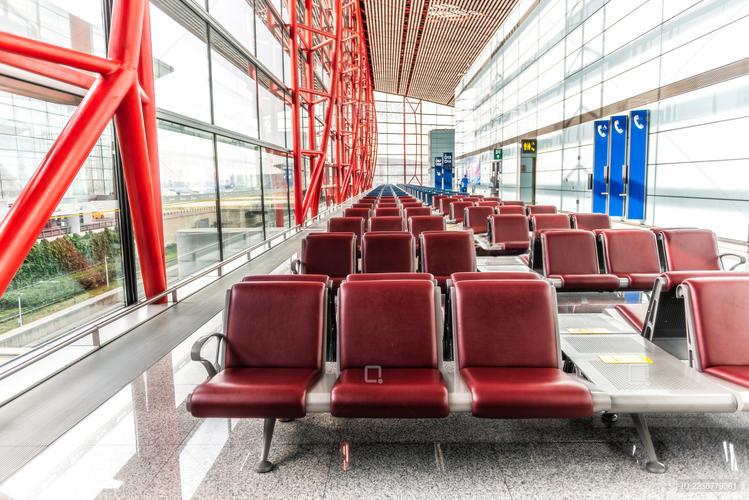
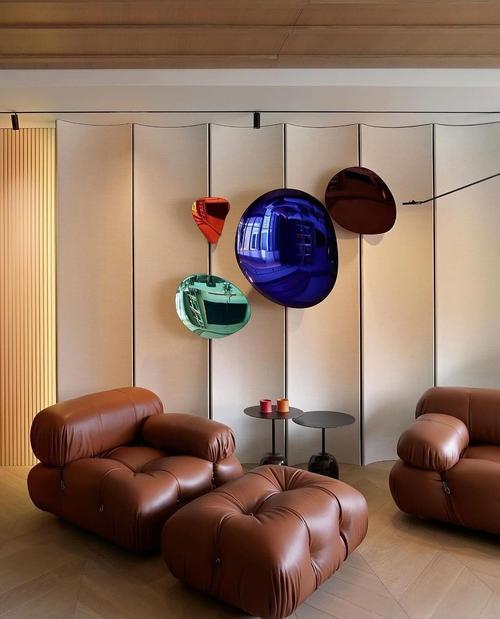
The same leather cannot be judged fairly without knowing the environment. A small office sofa, a cinema chair, and a shopping mall lounge bench may all use commercial upholstery leather, but their abrasion, cleaning, and visual requirements are different. Before checking samples, define daily traffic, user behavior, expected service life, indoor climate, and cleaning frequency.
For high-traffic seating, prioritize abrasion resistance, color fastness, tear strength, and easy cleaning. For premium lounges, the hand feel and grain appearance may carry more weight. For public seating, flame retardant requirements and batch stability often become more important than decorative texture.
2. Check Surface Performance, Not Only Thickness
Thickness is useful, but it does not tell the whole story. A material can be thick yet weak if the surface coating, backing, or lamination is poorly matched. Ask for abrasion test data, hydrolysis resistance where humidity is a concern, color rubbing resistance, and cleaning compatibility with common maintenance products. For heavy-use contract furniture, buyers can compare options such as 1.0mm Silicone Coated PU Leather and Crazy Horse Grain 1.4mm Microfiber Leather Fabric when higher surface stability is required.
Commercial furniture projects often benefit from a balanced specification: enough surface protection for cleaning, but not so stiff that upholstery corners become difficult to finish. If the design includes tight curves, deep channel stitching, or small-radius edges, request a trial upholstery test before confirming the bulk order.
3. Match Grain, Color, and Finish to Project Use
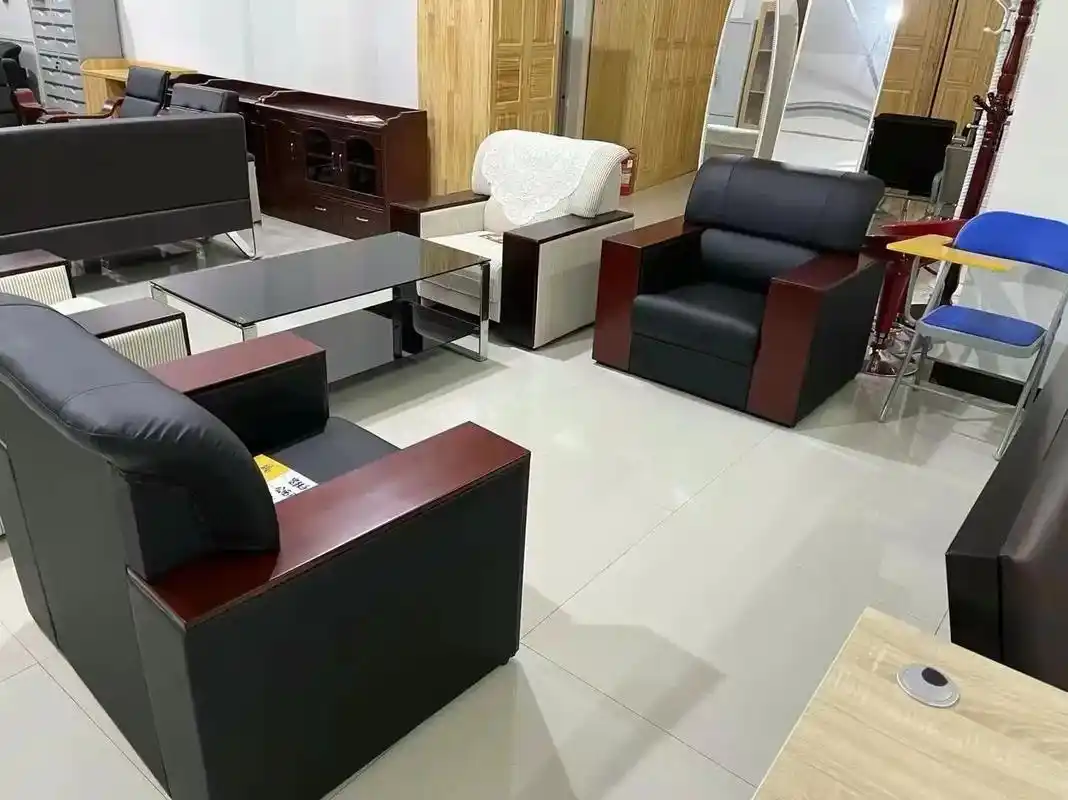
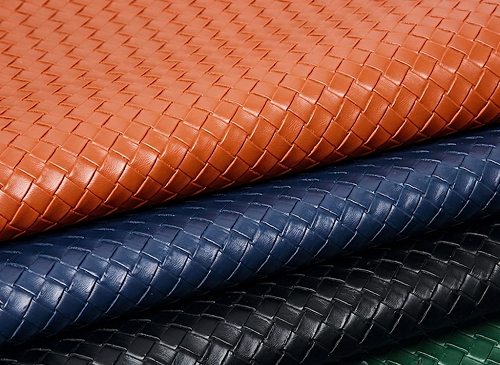
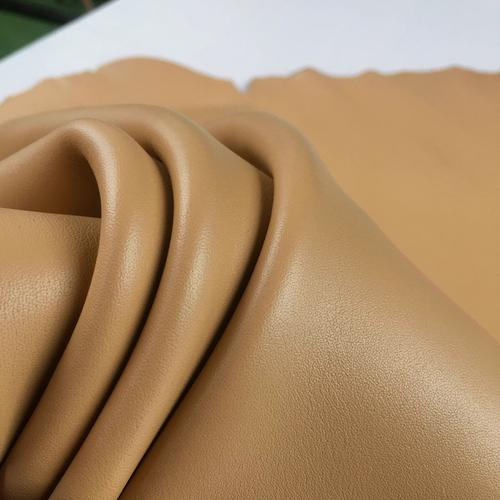
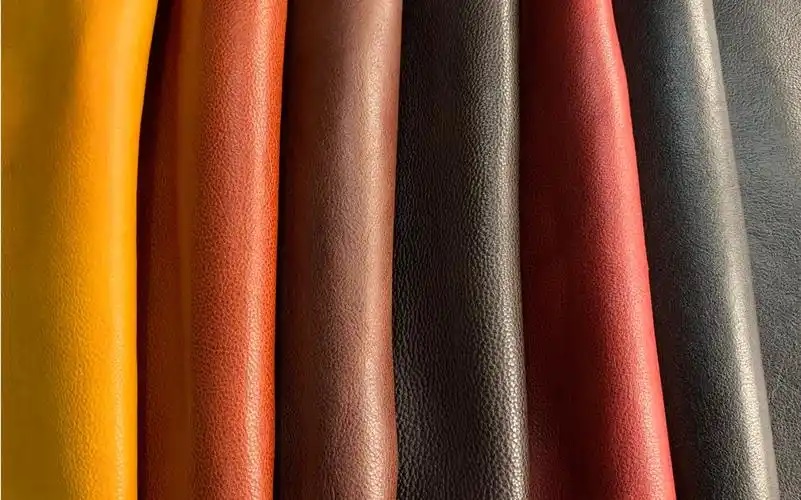
Commercial upholstery leather is available in matte, semi-matte, pebbled, smooth, textured, and custom embossed finishes. Project buyers can start from the Furniture Sofa Leather product range to compare grain, backing and thickness options. Dark colors can hide stains and scuffs better, while light colors make furniture look clean and open but require stricter maintenance. A hospitality lobby may choose warmer tones; office seating may prefer neutral gray, black, or beige; entertainment spaces may use stronger colors for brand identity.
4. Confirm Backing and Upholstery Workability
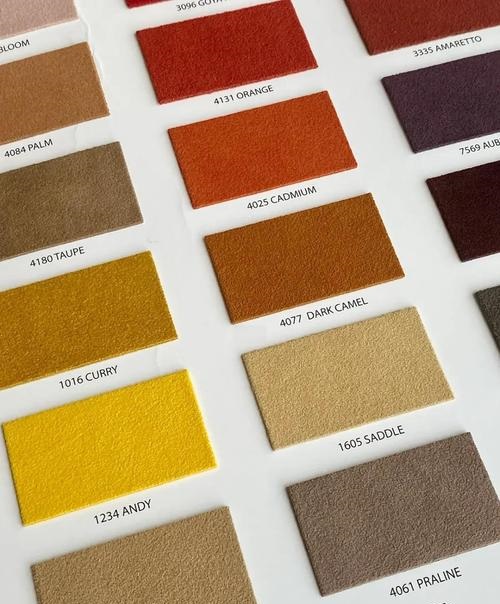
The backing affects stretch, sewing, wrapping, and long-term stability. A stable backing helps keep panels flat on large sofa surfaces, while a more flexible construction can help on shaped chairs and curved cushions. For contract production, factories should test cutting yield, needle marks, seam holding, and how the material behaves around corners.
When possible, ask for sample rolls from the same production line that will be used for bulk order. Small hand samples are useful for color review, but they cannot fully reveal roll direction, surface consistency, or workability across large panels.
5. Build the Specification Around Real Maintenance
Many commercial projects fail in daily use because cleaning assumptions were too optimistic. If the furniture will be used in cafés, waiting areas, schools, clinics, or public lobbies, the material should resist common stains and allow regular wiping. Confirm whether the surface can handle water-based cleaning, mild detergent, or disinfectant routines when required by the project.
A realistic cleaning note should be included in the material approval file, so the owner, contractor, and furniture maker all understand how the upholstery should be maintained after delivery. For public seating that needs stronger cleanability, 100% Full Silicone Leather can be reviewed as a premium easy-clean option.
6. Questions to Ask Before Bulk Order
| Checklist Item | Why It Matters |
|---|---|
| Abrasion resistance | Helps predict service life in high-use seating areas. |
| Color fastness | Reduces risk of transfer or fading during daily use. |
| Cleaning compatibility | Prevents surface damage from routine maintenance. |
| Roll consistency | Keeps large furniture sets visually consistent. |
| Upholstery trial | Confirms sewing, wrapping, and panel behavior. |
Related Upholstery Leather Guides
FAQ
Is commercial upholstery leather always genuine leather?
No. In many contract furniture projects, the term may refer to synthetic leather, PU leather, PVC leather, silicone leather, or other coated upholstery materials designed for commercial seating.
What is the most important test for commercial seating?
Abrasion resistance is important, but it should be reviewed together with cleaning resistance, color fastness, tear strength, and the actual seating environment.
Related Upholstery Leather Guides