Commercial Upholstery Leather: High-Traffic Hospitality Fabrics
Explore Related Upholstery Topics
Furniture Leather Waterproof Upholstery Silicone vs PU Restaurant Upholstery Medical UpholsteryCommercial Upholstery Leather: Best Materials for Hospitality and High-Traffic Furniture
Commercial upholstery leather plays a critical role in modern hospitality, restaurant, office, and public seating furniture because commercial environments demand significantly higher durability and maintenance performance than residential furniture. This analysis forms a central part of our comprehensive Synthetic Leather for Furniture Guide , engineering heavy-duty surfaces capable of resisting premature degradation under non-stop contract use.
Unlike residential sofas, commercial furniture experiences continuous daily use, frequent cleaning cycles, long operating hours, and heavy public traffic. As a result, commercial upholstery materials must provide strong abrasion resistance, waterproof performance, easy maintenance, and long-term appearance stability.
This guide explains how commercial upholstery leather works, compares modern upholstery materials, and helps furniture manufacturers and commercial buyers choose the best leather solutions for hospitality and high-traffic furniture applications.
1. Why Commercial Upholstery Leather Matters
Commercial furniture environments place significantly higher demands on upholstery materials compared with residential furniture applications. In hotel lobbies, transit hubs, and corporate workspaces, seating skins are subjected to intensive environmental and mechanical stresses:
- Continuous public use across multi-shift operational environments
- High-traffic friction causing localized surface thinning and seam strain
- Frequent chemical sanitization using aggressive hospital-grade disinfectants
- Constant exposure to organic food acids, grease, oil, and beverage spills
- Rigid architectural safety codes including strict toxicity and smoking tests
- Extended facility replacement cycles that require up to a 10-year surface material lifespan
For hotels, restaurants, offices, hospitals, and waiting areas, upholstery failure can directly increase maintenance costs and negatively affect customer experience.
2. What Commercial Buyers Really Care About
Professional furniture manufacturers, procurement consultants, and commercial architects rarely evaluate upholstery coverings solely on aesthetic criteria. Contract project deployment demands meticulous engineering validation:
- Verified Martindale & Wyzenbeek Ratings: Ensuring multi-thousand rub resistance against surface wear.
- Hydrolysis Life Expectancy: Preventing polymer peeling under high heat and heavy cleaning humidity.
- Chemical Stain Defense: Resistance to dye transfer from denim and ink without altering the surface gloss.
- Batch Color Consistency: Zero delta-E variation across multiple container shipments for large contract fit-outs.
- Flame Retardant Engineering: Direct integration of self-extinguishing additives to satisfy severe commercial fire safety codes.
3. Best Commercial Upholstery Materials
Silicone Leather
Silicone matrices represent the top tier of performance in high-end contract installations. Utilizing an inorganic silica core, advanced Silicone Leather Technologies resist extreme friction and UV breakdown. They do not rely on chemical plasticizers, ensuring long-term flexibility without cracking or releasing toxic emissions in public waiting areas.
PVC Leather
Contract-grade vinyl fabrics provide excellent abrasion resistance for budget-conscious corporate and transit projects. Sourcing options with high plasticizer stability protects against alcohol cleaner damage. To evaluate the precise performance tradeoffs regarding weight and handling, check our targeted PU vs PVC Leather Guide.
PU Leather
Modern premium PU Upholstery Leather balances soft comfort with cost efficiency. For intense contract applications, specifying polycarbonate-based PU resins is necessary to achieve the high abrasion resistance required for busy seating areas.
Microfiber Leather
High-density microfiber structures provide an excellent alternative to natural hide. The sea-island micro-fiber layout delivers strong seam tensile protection, preventing thread pulling and shape loss in high-stress seating environments.
4. Best Commercial Upholstery Leather by Application
Best Upholstery Leather for Hotels
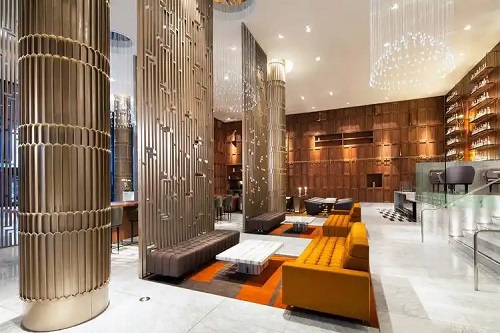
Hotel main lobbies and executive suites require premium tactile comfort alongside robust resistance to luggage impact. Utilizing high-end microfiber or performance silicone structures allows operators to match upscale design themes while ensuring long-term durability against daily guest traffic.
Best Upholstery Material for Restaurant Seating
Dining booths require continuous protection from grease, oil, alcohol, and acidic condiments. Sourcing raw stock engineered with impermeable barrier skins from our Waterproof Upholstery Leather Guide prevents subsurface contamination, keeping seating lines fresh and hygienic.
Best Upholstery Leather for Office Seating
Ergonomic Task chairs and collaborative workspaces require high breathability, flex fatigue resistance, and daily durability. High-grade polycarbonate PU or premium contract vinyl ensures long-term comfort while holding up to continuous wear from office clothing.
Best Upholstery Leather for Waiting Areas and Public Seating
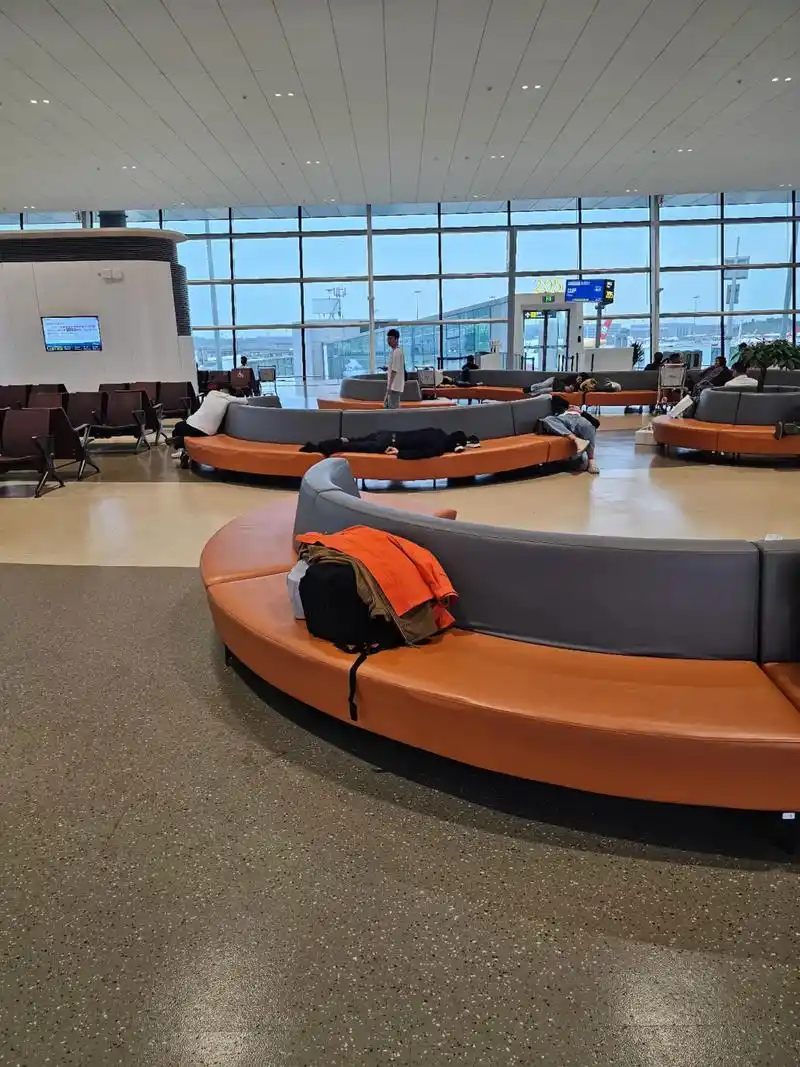
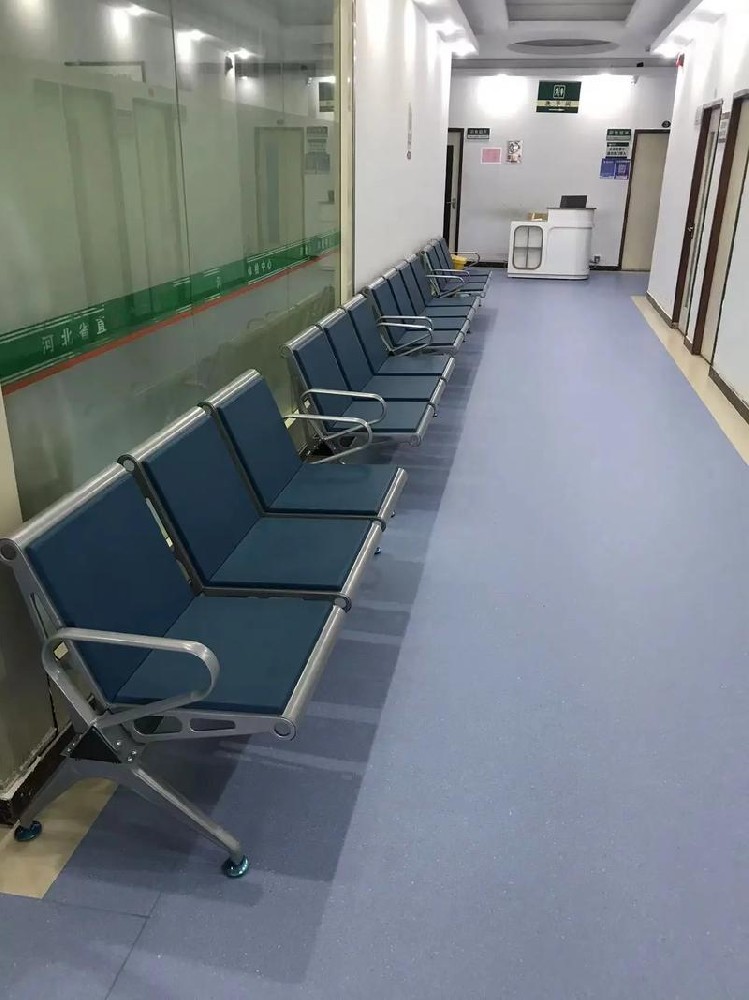
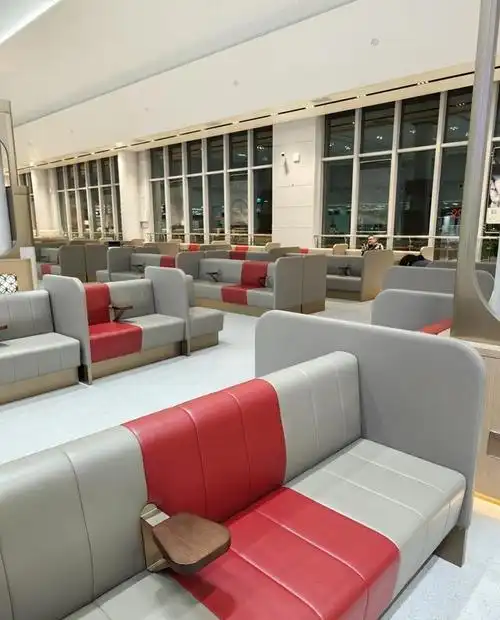
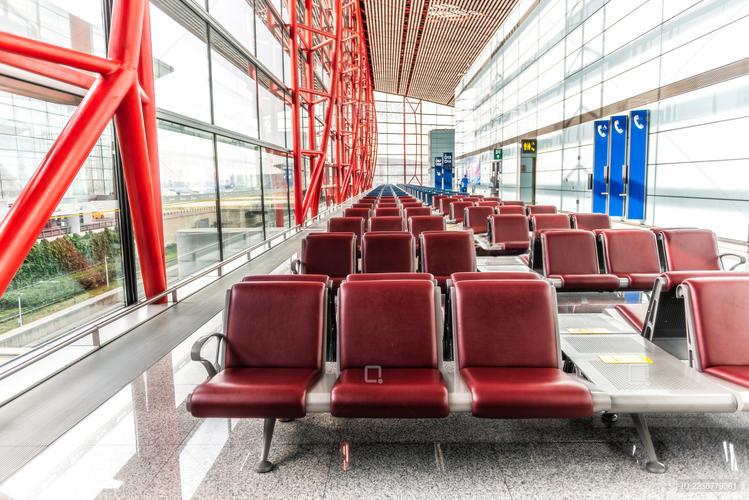
High-traffic areas like airports, transit hubs, and clinics require exceptional surface protection against scratching, scuffing, and constant cleaning. Combining raw stock from our Scratch Resistant Sofa Leather Guide and our Easy Clean Sofa Leather Guide allows procurement teams to secure long-term defense against sharp objects and stubborn stains.
5. Technical Performance Standards
Contract furniture projects rely on verified laboratory metrics to ensure compliance with strict commercial performance standards:
- Martindale Abrasion (BS EN ISO 12947): Residential metrics require only 15,000 rubs, whereas heavy commercial seating spaces specify a minimum of 50,000 to 100,000+ rubs to protect against surface failure.
- Hydrolysis (Jungle Test ASTM D3690-02): Premium commercial polymers undergo a minimum of 7 to 14 days of constant humidity exposure to ensure the material can withstand frequent sanitization without cracking.
- Flame Retardancy (BS 5852 Crib 5 / CAL 133): Commercial formulations integrate self-extinguishing chemical properties directly into the polymer matrix, meeting regional fire safety requirements.
6. Commercial Upholstery Material Comparison Table
| Polymer Class | Abrasion Performance | Fluid Barrier Safety | Hospitality Suitability | Procurement Efficiency |
|---|---|---|---|---|
| PU Leather | Moderate (30K - 50K Rubs) | Standard Protection | Standard Guestrooms | Highly Cost-Effective |
| PVC Leather | Very High (100K+ Rubs) | Total Fluid Shield | Fast Food / Diners | Excellent for Scale |
| Silicone Leather | Extreme (200K+ Rubs) | Hydrophobic Structure | Luxury Lobbies / Healthcare | Premium Investment |
| Microfiber Leather | Excellent (100K+ Rubs) | Coated Protection | High-End Corporate Lounges | Balanced Premium Option |
Explore Certified Commercial Furniture Upholstery Materials
Yizen Leather manufactures and supplies certified commercial upholstery materials, including high-performance PU, durable contract vinyl, and eco-friendly silicone fabrics engineered for demanding hospitality, workspace, and public seating projects.
View Furniture Sofa Leather Collection →7. Frequently Asked Questions (FAQ)
Q: What is the best upholstery leather for commercial furniture?
A: High-grade silicone leather and contract PVC vinyl options offer excellent performance in busy public spaces due to their high abrasion resistance, stable moisture barriers, and ease of cleaning.
Q: What upholstery material lasts longest in public seating?
A: Contract vinyl and silicone leather with verified rub counts over 100,000 typically provide the longest service life. These materials resist surface thinning and cracking under continuous public use.
Q: Is silicone leather good for hospitality furniture?
A: Yes. Silicone options provide excellent protection against food stains, permanent markers, and moisture. They are also free of chemical plasticizers, offering a safe, non-toxic choice for hotel and lounge environments.
Q: What upholstery leather is easiest to maintain?
A: Non-porous surfaces like silicone leather and commercial contract vinyl are highly efficient to maintain. They allow facilities to quickly wipe away spills and clean with standard detergents without damaging the protective topcoat.
Related Upholstery Leather Guides
- Best Leather for Sofa
- Easy Clean Sofa Leather
- Waterproof Upholstery Leather
- Scratch Resistant Sofa Leather
- Silicone Leather vs PU Leather
Conclusion
Commercial upholstery leather has become an essential material category in modern hospitality, office, restaurant, and public seating furniture because commercial environments demand significantly higher durability and maintenance performance than residential applications.
Modern upholstery technologies such as silicone leather, waterproof PU leather, microfiber leather, and commercial PVC seating materials provide excellent solutions for high-traffic furniture applications requiring long-term durability and easy maintenance.
As hospitality and commercial furniture markets continue prioritizing durability, easy-clean performance, and waterproof upholstery systems, commercial synthetic leather technologies will continue becoming increasingly important in modern furniture manufacturing.
Related Upholstery Leather Guides