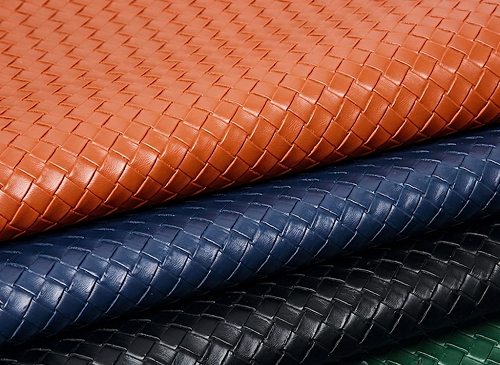
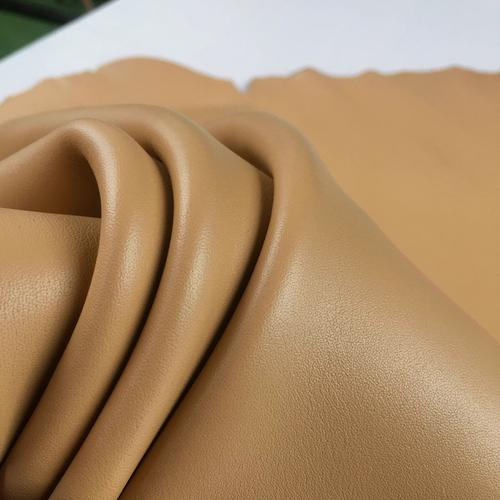
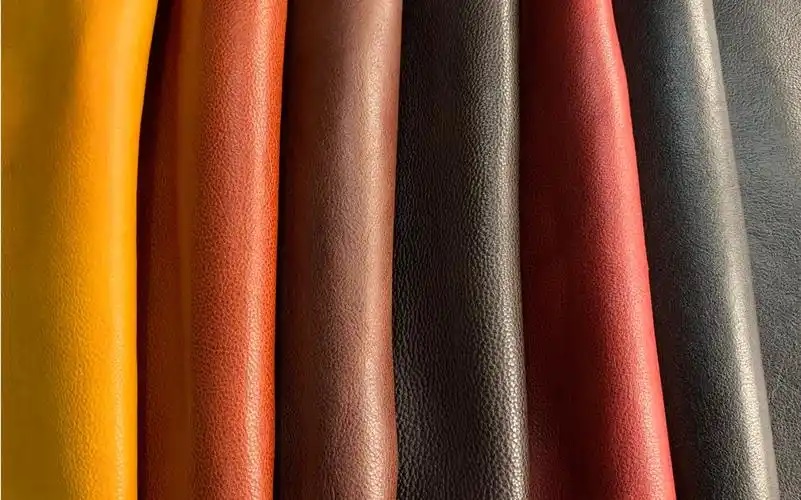
Contract Grade Upholstery Leather for Commercial Seating
Explore Related Upholstery Topics
Furniture Leather Waterproof Upholstery Silicone vs PU Restaurant Upholstery Medical UpholsteryContract Grade Upholstery Leather for Commercial Seating Applications
Quick Navigation
1. What Is High Traffic Upholstery Fabric2. Key Features for High Traffic Seating3. Best Materials for High Traffic Upholstery4. Commercial Seating Applications5. Durability & Performance Standards6. Common Problems with Low Quality Upholstery7. Frequently Asked Questions
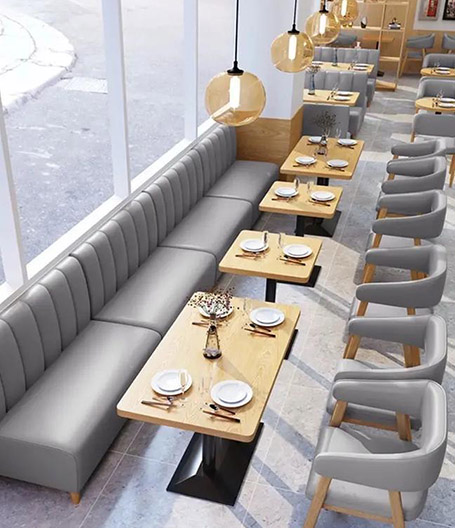
Commercial seating environments place significantly higher demands on upholstery materials compared with residential furniture. Hotels, restaurants, airports, theaters, healthcare facilities, and public waiting areas all require seating materials capable of handling continuous daily usage, repeated cleaning, abrasion, and long-term wear.
Contract grade upholstery leather is specifically engineered for these high-traffic commercial environments. Compared with standard residential upholstery materials, contract upholstery leather provides stronger abrasion resistance, waterproof performance, easy maintenance, and longer service life.
1. What Is Contract Grade Upholstery Leather
Contract grade upholstery leather refers to commercial-grade seating materials specifically engineered for public environments and high-traffic commercial applications. Unlike residential upholstery, commercial contract materials are designed for continuous use, repeated cleaning, and long-term durability.
Modern contract upholstery materials are commonly used in:
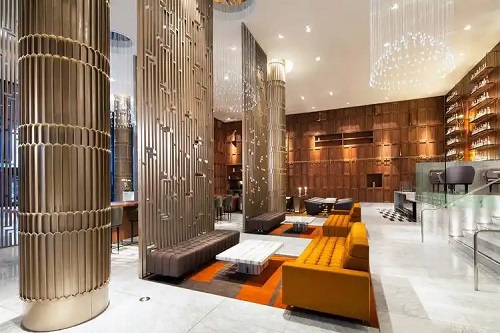
Hospitality seating systems
Restaurant booth seating
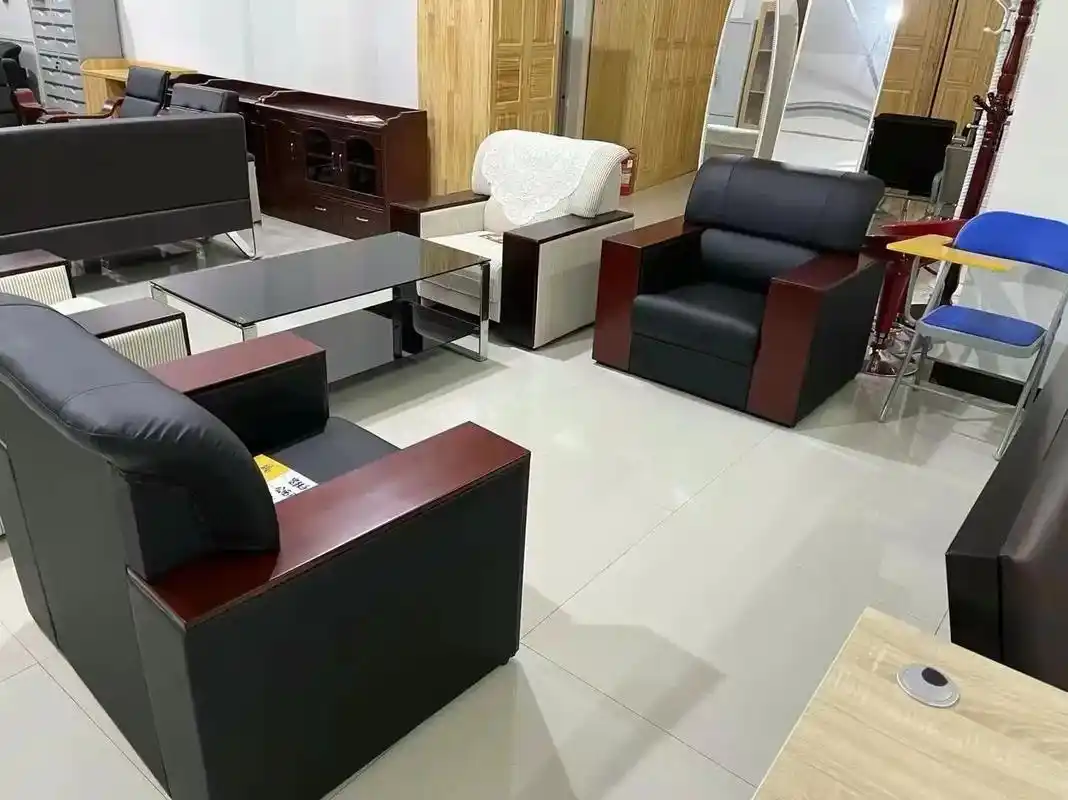
Commercial office furniture
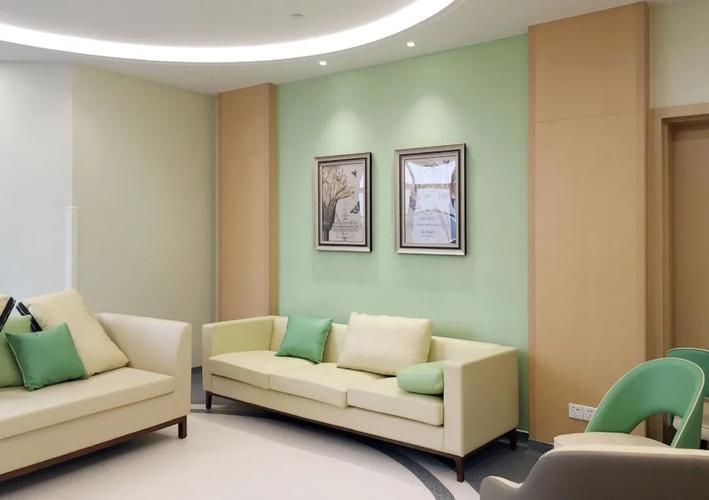
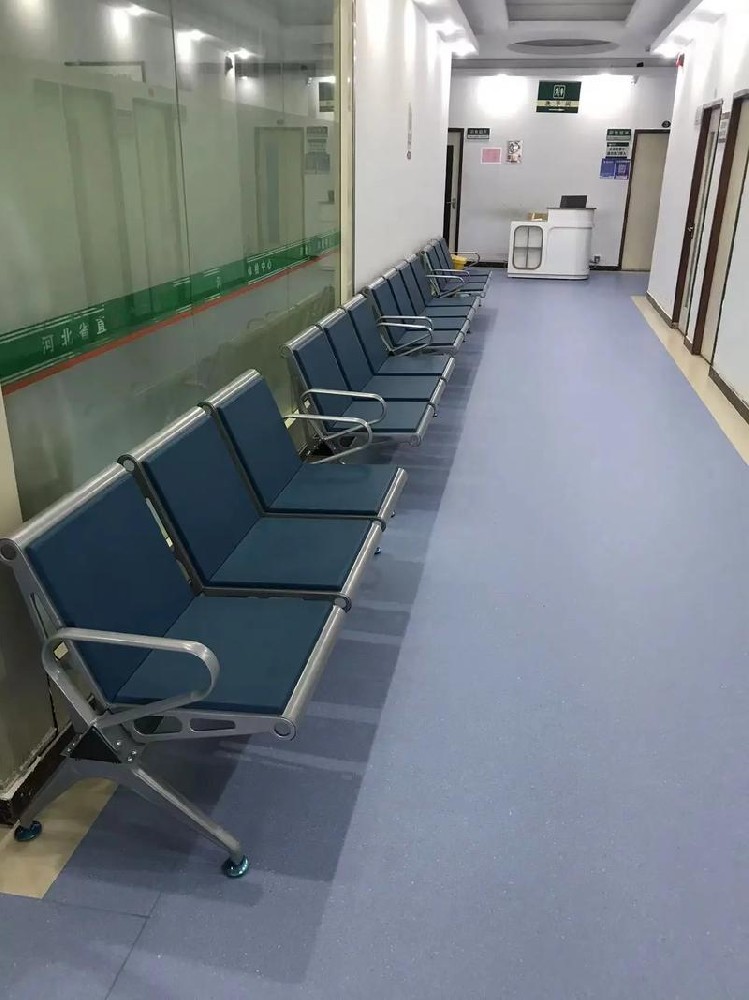
Healthcare seating environments
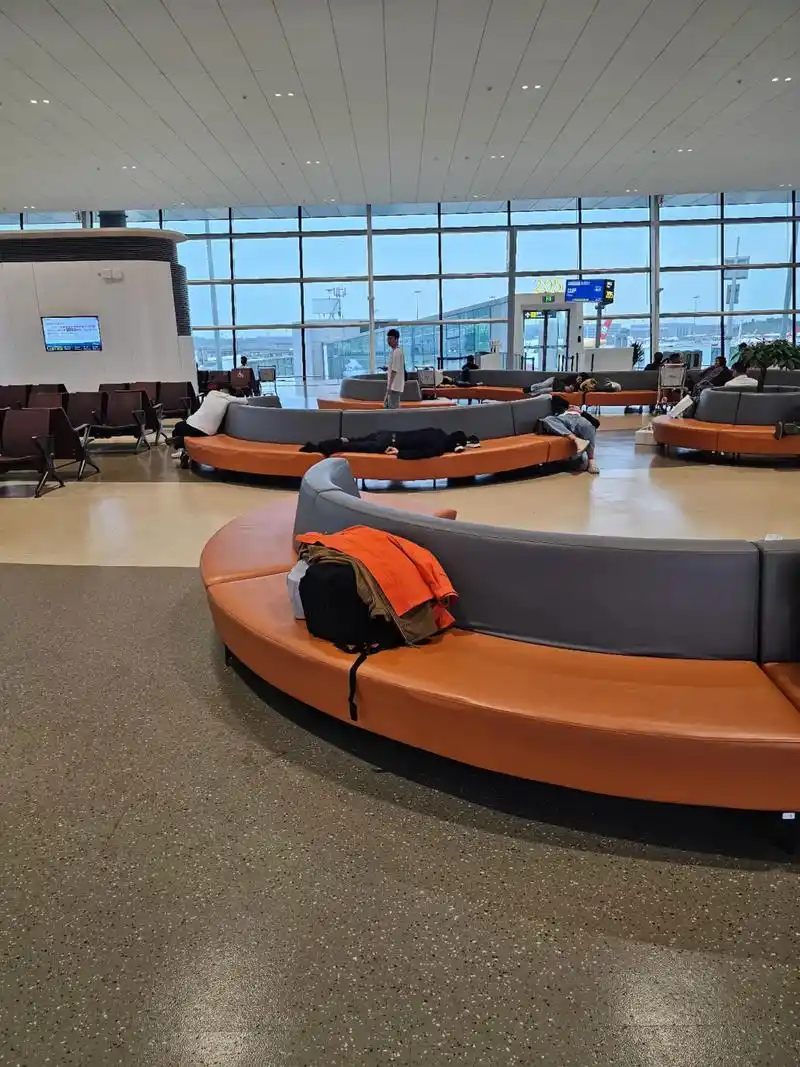
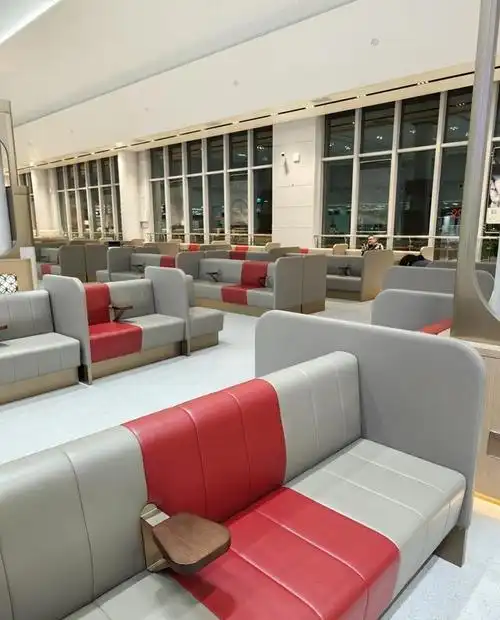
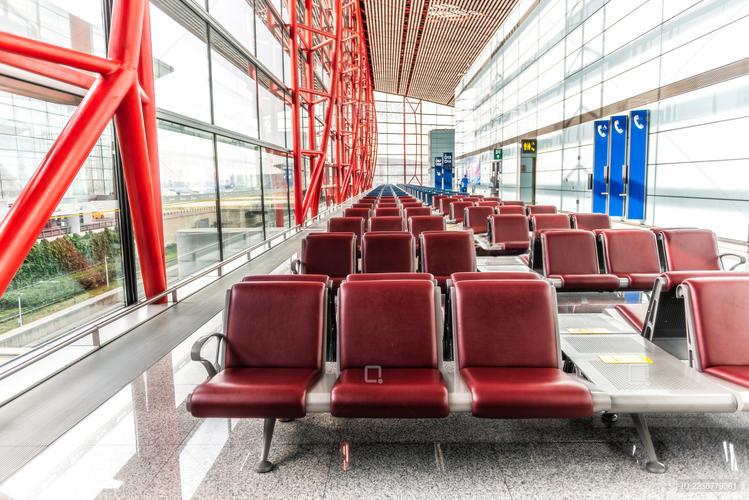
Airport waiting areas
Theater recliners and entertainment seating
Public transportation seating systems
Contract upholstery leather combines abrasion resistance, waterproof protection, easy maintenance, and commercial aesthetics to meet demanding project requirements.
2. Key Features of Contract Upholstery Leather
High Abrasion Resistance
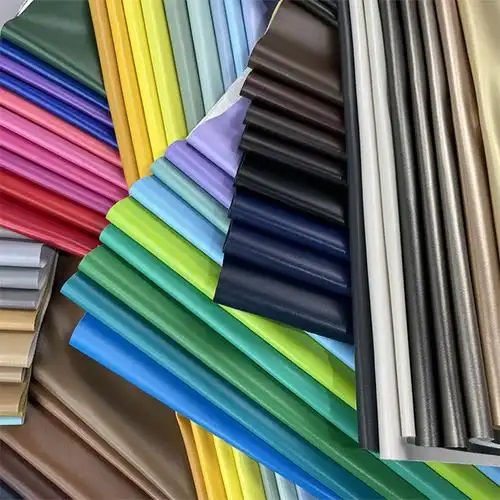
Commercial seating systems experience continuous friction and repeated daily use. High-quality contract upholstery leather is engineered with stronger abrasion resistance to maintain appearance and structural integrity over time.
High Traffic Durability
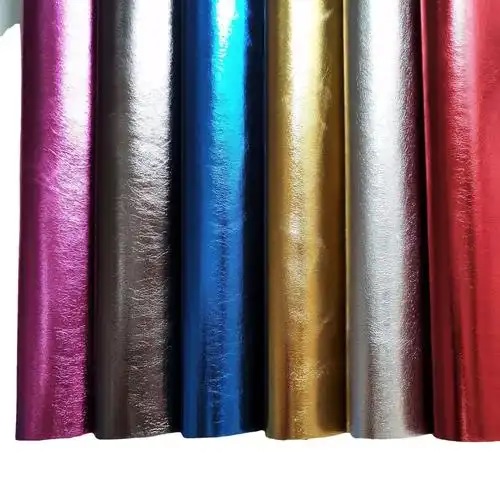
Airports, hotels, restaurants, and waiting areas all require upholstery systems capable of maintaining durability under heavy public usage conditions.
Easy Maintenance & Cleaning
Commercial seating materials require repeated cleaning and maintenance. Modern contract upholstery leather is often engineered with stain-resistant and easy-clean surfaces for hospitality and public environments.
For waterproof and easy-clean seating systems, see our Waterproof Upholstery Leather Guide.
3. Commercial Performance Standards
Commercial upholstery materials are commonly evaluated using industry durability and performance standards. These standards help determine whether a material is suitable for long-term public seating applications.
| Performance Test | Commercial Requirement | Purpose |
|---|---|---|
| Martindale Abrasion | 50,000+ cycles | Wear resistance |
| Hydrolysis Resistance | 3–5+ years | Humidity durability |
| UV Resistance | High | Fade prevention |
| Fire Retardancy | CA117 / BS5852 | Commercial safety |
4. Commercial Seating Applications
Hospitality Projects
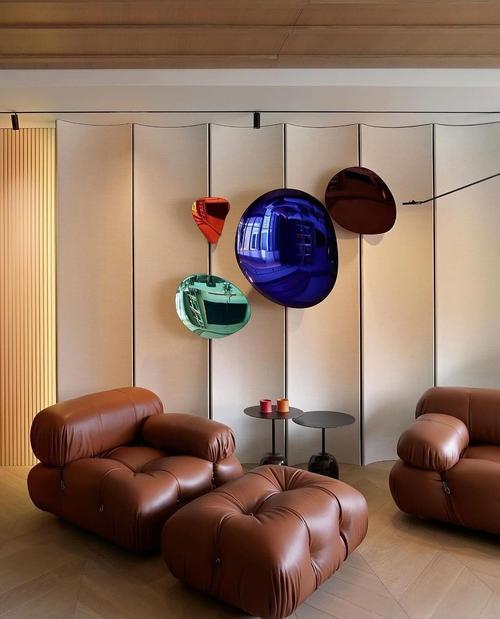
Hotels and hospitality spaces require upholstery materials capable of combining premium appearance with long-term commercial durability.
Related guides:Hospitality Upholstery Leather|Hotel Lobby Seating Upholstery
Restaurant Seating
Restaurant booth seating materials require waterproof performance, stain resistance, and easy-clean surfaces for continuous commercial dining usage.
Related guide:Restaurant Booth Upholstery
Healthcare & Medical Seating
Healthcare environments require antibacterial, waterproof, and easy-clean seating materials capable of supporting strict maintenance standards.
Related guides:Medical Upholstery Leather|Dental Chair Upholstery
Transportation Seating
Airports, buses, trains, and public transportation seating systems require extremely durable contract upholstery materials.
Related guides:Airport Seating Upholstery|Bus Seating Upholstery|Marine Upholstery
5. PU vs PVC vs Silicone Upholstery
| Material | Advantages | Best Applications | Weakness |
|---|---|---|---|
| PVC Vinyl | Strong waterproof performance | Public seating | Less soft |
| PU Leather | Soft and premium feel | Hospitality furniture | Hydrolysis risk |
| Silicone Leather | Easy clean & stain resistant | Healthcare & luxury projects | Higher cost |
Related material comparisons:PU vs PVC Leather|Silicone Leather vs PU Leather
6. Common Problems with Low-Quality Upholstery
Low-quality contract upholstery materials may develop peeling, cracking, fading, hydrolysis damage, or surface delamination after long-term commercial use.
Commercial projects should avoid low-grade upholstery materials that cannot handle high traffic conditions or repeated maintenance cycles.
Related problem guides:Why PU Leather Peels|Best Leather for Cats
7. How to Choose Contract Upholstery Leather
Selecting the correct contract upholstery leather depends on the commercial project environment, expected traffic volume, maintenance requirements, and long-term durability goals.
Different industries require different upholstery performance priorities. Hospitality projects may focus on appearance and comfort, while transportation seating projects prioritize abrasion resistance and waterproof performance.
Evaluate Traffic Volume
High-traffic commercial seating areas such as airports, restaurants, cinemas, and waiting rooms require heavy-duty upholstery materials with excellent abrasion resistance.
Related guide:High Traffic Upholstery Fabric
Consider Cleaning Frequency
Commercial upholstery materials used in restaurants, healthcare facilities, and public seating areas require easy-clean and stain-resistant surfaces for repeated maintenance.
Related guides:Easy Clean Sofa Leather|Waterproof Upholstery Leather
Choose the Right Material Structure
PVC vinyl, PU leather, silicone leather, and microfiber upholstery materials each provide different advantages depending on the application environment.
PVC Vinyl → Best for waterproof public seating
PU Leather → Best for premium hospitality aesthetics
Silicone Leather → Best for healthcare and easy-clean projects
Microfiber Leather → Best for premium durability and softness
Check Commercial Compliance Standards
Commercial seating projects may require compliance with fire retardant standards, abrasion testing requirements, hydrolysis resistance standards, and environmental certifications.
Always confirm project specifications before selecting contract upholstery materials for hospitality, transportation, healthcare, or public seating applications.
8. How Long Does Contract Upholstery Leather Last
The lifespan of contract upholstery leather depends on material quality, traffic frequency, environmental conditions, cleaning methods, and maintenance standards.
| Material Type | Typical Commercial Lifespan | Best Applications |
|---|---|---|
| PVC Vinyl | 5–10 years | Public seating |
| PU Leather | 3–7 years | Hospitality furniture |
| Silicone Leather | 8–15 years | Healthcare & premium projects |
| Microfiber Leather | 8–12 years | Luxury commercial seating |
Related problem guide:How Long Does PU Leather Last
9. Frequently Asked Questions
Q: What does contract grade upholstery mean?
Contract grade upholstery refers to commercial seating materials designed for high-traffic public environments and long-term durability.
Q: Is contract upholstery leather waterproof?
Many commercial upholstery materials are engineered with waterproof or water-resistant surfaces for hospitality and public seating applications.
Q: What is the best upholstery material for commercial seating?
PVC vinyl, PU leather, silicone leather, and microfiber leather are among the most widely used commercial upholstery materials.
Q: What upholstery material is best for restaurants?
Restaurant seating projects often prioritize waterproof, easy-clean, and stain-resistant contract upholstery materials.
Q: What is the difference between contract and residential upholstery?
Contract upholstery materials are engineered for significantly higher traffic, durability, cleaning frequency, and commercial performance standards.
Related Commercial Upholstery Guides
Heavy Duty Upholstery Material
Restaurant Booth Upholstery
Airport Seating Upholstery
Conclusion
Contract grade upholstery leather plays a critical role in modern commercial seating systems because public environments require durability, waterproof protection, abrasion resistance, and long-term maintenance efficiency.
From hospitality seating and restaurant booths to healthcare facilities and transportation seating systems, commercial upholstery materials must balance durability, aesthetics, and maintenance performance.
As commercial furniture standards continue evolving, contract upholstery leather will remain one of the most important material categories for hospitality, healthcare, transportation, entertainment, and public seating industries.
Explore Commercial Upholstery Materials
Yizen Leather supplies contract grade upholstery materials for hospitality projects, restaurant seating, healthcare furniture, airport waiting areas, commercial office seating, and public transportation applications.
Sofa-Leather/" style=" display:inline-block; background:#2d6cdf; color:#fff; padding:12px 24px; border-radius:6px; text-decoration:none; font-weight:600; font-size:0.95rem; ">View Commercial Upholstery Collection →
Related Upholstery Leather Guides