Disinfectant Resistant Medical Upholstery | Healthcare Seating Materials
Explore Related Upholstery Topics
Furniture Leather Waterproof Upholstery Silicone vs PU Restaurant Upholstery Medical UpholsteryDisinfectant Resistant Upholstery | Medical Seating Material Guide
Quick Navigation
1. Why Disinfectant Resistance Matters2. Common Healthcare Disinfectants3. Upholstery Damage Caused by Poor Chemical Resistance4. Key Performance Requirements5. PU, Vinyl, and Silicone Healthcare Upholstery6. Healthcare Seating Applications7. Upholstery Maintenance Tips8. Frequently Asked Questions
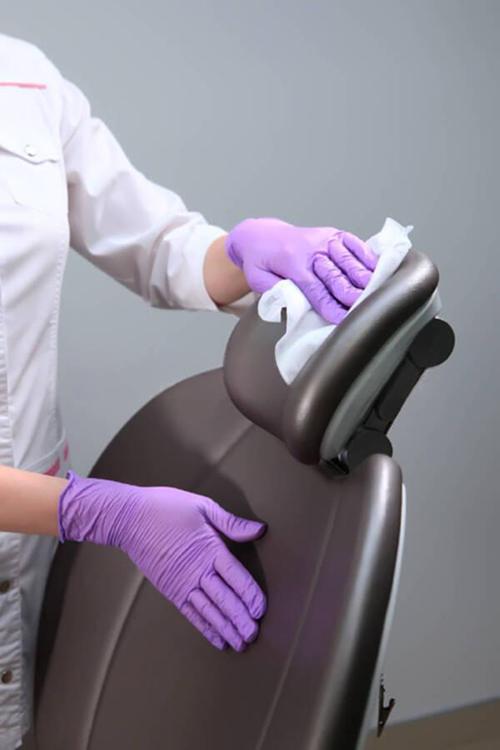
Healthcare seating surfaces are exposed to alcohol wipes, bleach solutions, peroxide cleaners, body contact, spills, and continuous cleaning procedures every day.
Unlike ordinary commercial upholstery, disinfectant resistant upholstery must maintain long-term surface stability after repeated medical cleaning cycles without cracking, fading, peeling, or surface hardening.
1. Why Disinfectant Resistance Matters
Hospital waiting chairs, dental chairs, treatment room seating, infusion recliners, and clinic furniture are cleaned much more frequently than office or residential seating.
If the upholstery surface cannot tolerate healthcare disinfectants, the material may quickly deteriorate. Surface damage not only affects appearance, but can also make furniture more difficult to sanitize properly.
2. Common Healthcare Disinfectants
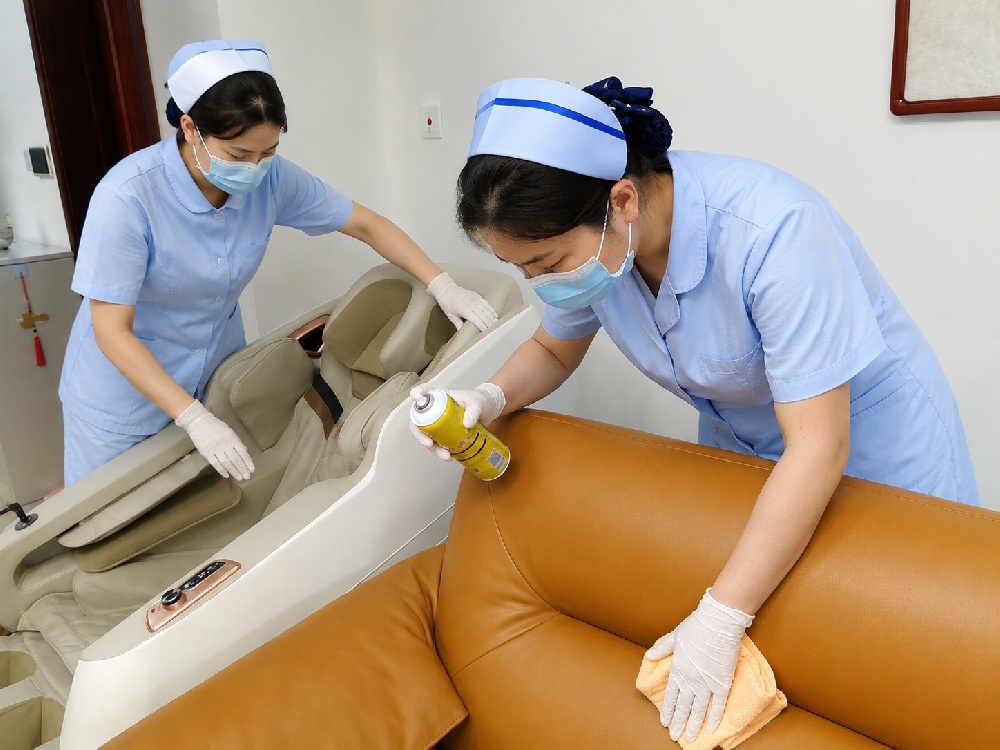
Different healthcare environments use different disinfectant systems depending on infection control requirements and cleaning protocols.
| Disinfectant Type | Common Use | Potential Surface Damage |
|---|---|---|
| Alcohol-based disinfectants | Fast daily disinfection in clinics and treatment rooms | Surface drying, fading, hardening |
| Bleach-based solutions | Strong disinfection for high-risk healthcare areas | Coating damage, discoloration, cracking |
| Hydrogen peroxide cleaners | Medical-grade cleaning and sanitation | Surface degradation if coating stability is weak |
| Quaternary ammonium disinfectants | Routine hospital furniture cleaning | Sticky surface, finish deterioration |
3. Upholstery Damage Caused by Poor Chemical Resistance
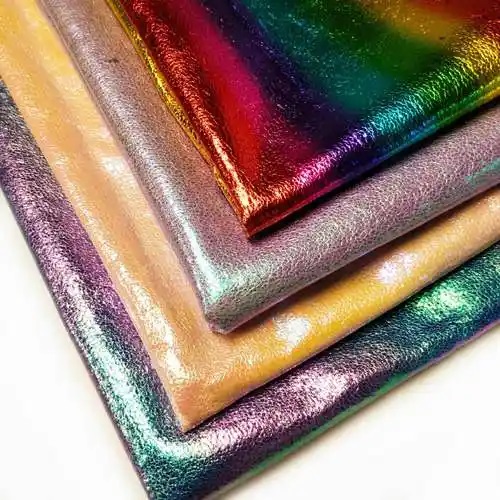
Some upholstery materials initially appear durable, but repeated exposure to healthcare disinfectants may gradually damage the surface structure.
Surface cracking and peeling
Color fading and uneven discoloration
Sticky or tacky surface feel
Loss of gloss and texture clarity
Hardening after repeated wiping
Reduced cleanability over time
4. Key Performance Requirements
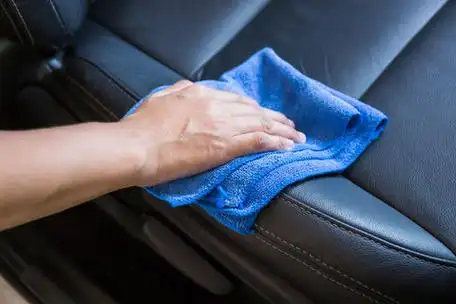
Healthcare upholstery should not only look professional, but also maintain long-term performance under real medical cleaning conditions.
Resistance to alcohol disinfectants
Resistance to diluted bleach cleaning
Peroxide cleaner compatibility
Low liquid absorption
Strong coating adhesion
Hydrolysis resistance
Long-term color stability
Comfortable patient seating surface
5. PU, Vinyl, and Silicone Healthcare Upholstery
PU leather, healthcare vinyl, and silicone upholstery materials each offer different levels of comfort, disinfectant resistance, and durability.
| Material | Advantages | Applications |
|---|---|---|
| Medical PU Upholstery | Soft touch, leather-like appearance, comfortable seating | Dental chairs, examination seating, recliners |
| Healthcare Vinyl | Waterproof, strong disinfectant resistance, cost-effective | Waiting rooms, clinic seating, public healthcare furniture |
| Silicone Upholstery | Excellent chemical resistance and hydrolysis stability | Premium healthcare seating and high-frequency cleaning areas |
6. Healthcare Seating Applications
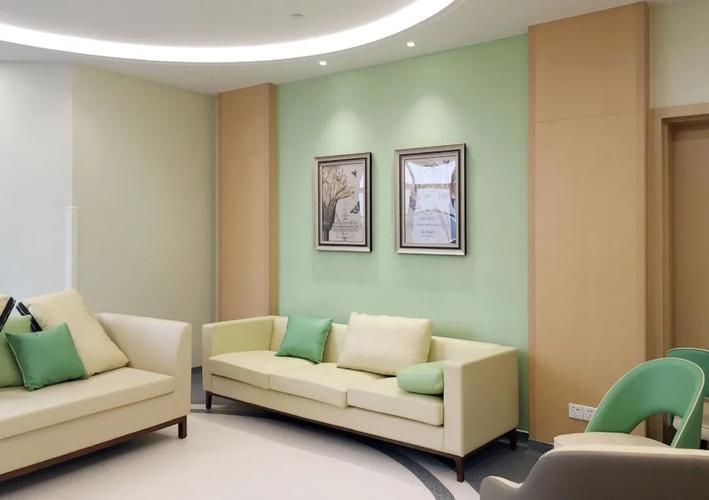
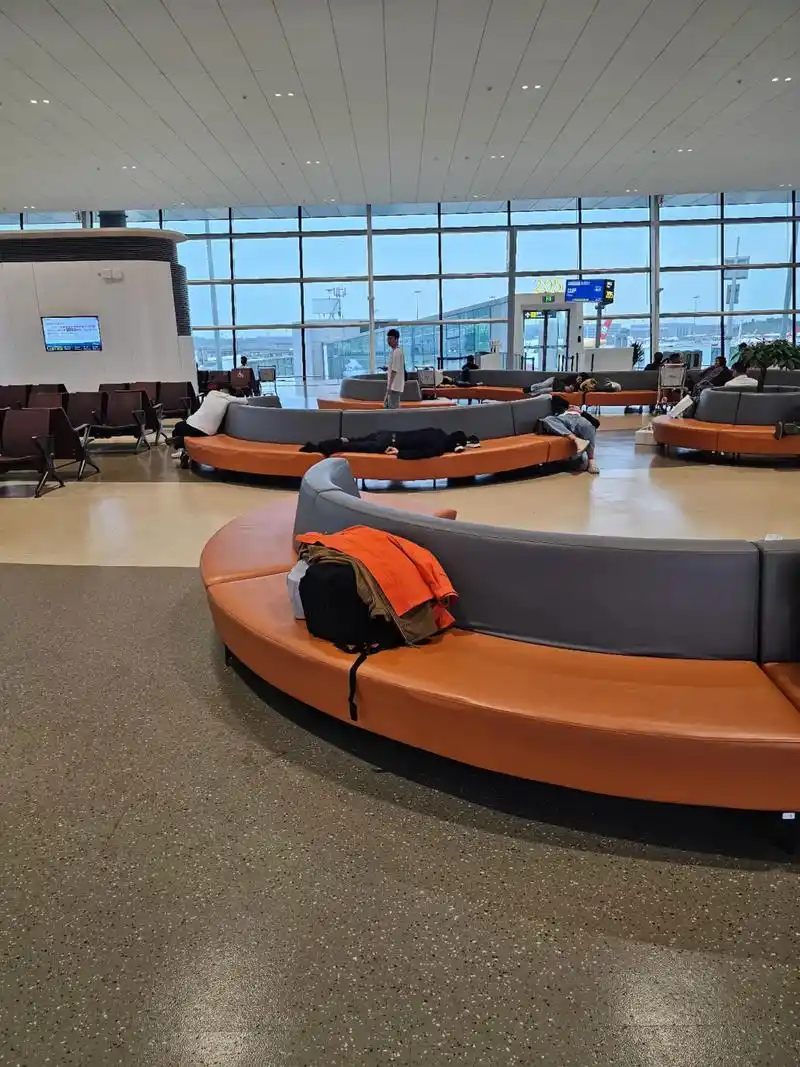
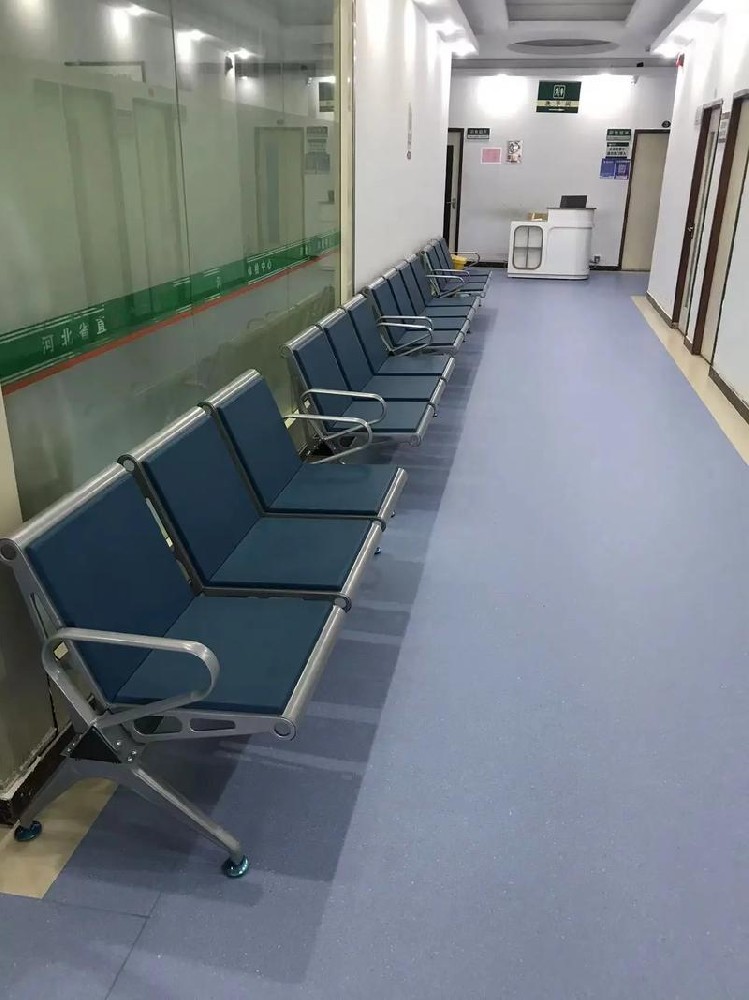
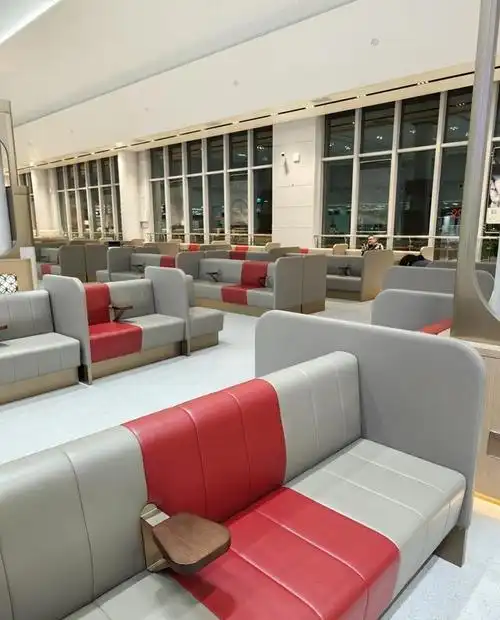
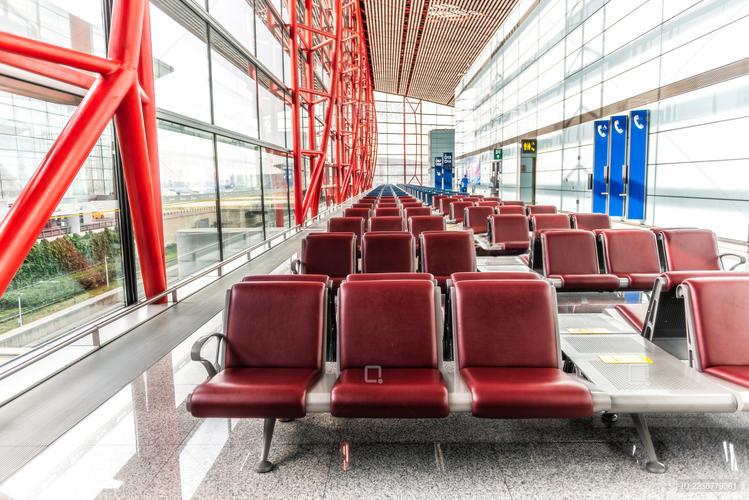
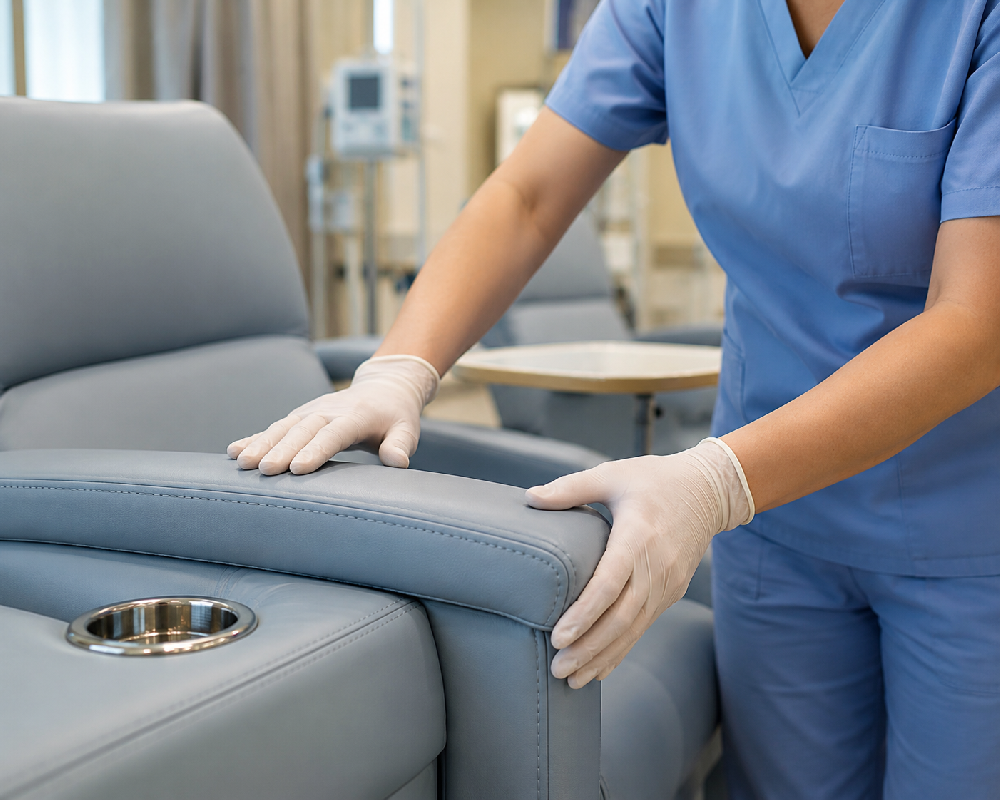
Hospital waiting room seating
Dental clinic chairs
Infusion recliners
Patient examination seating
Treatment room furniture
Rehabilitation center seating
Nursing home and senior care furniture
7. Upholstery Maintenance Tips
Use approved healthcare disinfectants
Avoid abrasive cleaning pads
Wipe spills immediately
Do not over-concentrate bleach solutions
Inspect seams and stitching regularly
Follow upholstery supplier cleaning guidelines
8. Frequently Asked Questions
Q: What is disinfectant resistant upholstery?
It is upholstery material designed to tolerate repeated exposure to healthcare disinfectants without rapid surface damage.
Q: Can PU leather resist hospital disinfectants?
Yes. Medical-grade PU upholstery can be engineered for disinfectant resistance and daily healthcare cleaning.
Q: Which upholstery material has the strongest chemical resistance?
Silicone upholstery generally offers the strongest long-term chemical resistance and hydrolysis stability.
Q: Why is disinfectant resistance important for healthcare seating?
It helps maintain furniture appearance, supports hygiene control, and extends upholstery service life in demanding medical environments.
Related Healthcare Upholstery Guides
Explore Disinfectant Resistant Healthcare Upholstery Materials
Yizen Leather supplies healthcare upholstery materials for hospitals, clinics, dental chairs, infusion recliners, treatment rooms, and medical furniture manufacturers. We support PU leather, healthcare vinyl, silicone upholstery, waterproof synthetic leather, and customized healthcare performance solutions.
Request Healthcare Upholstery Samples →
Related Upholstery Leather Guides