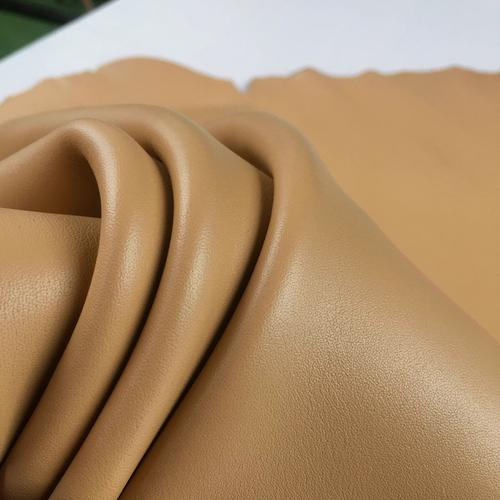
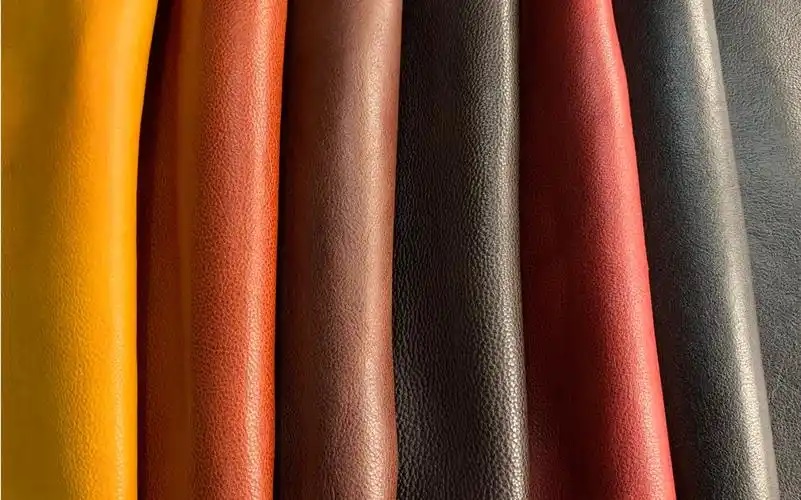
Easy to Clean Healthcare Upholstery | Medical Seating Maintenance Guide
Explore Related Upholstery Topics
Furniture Leather Waterproof Upholstery Silicone vs PU Restaurant Upholstery Medical UpholsteryEasy to Clean Healthcare Upholstery | Medical Seating Maintenance Guide
Quick Navigation
1. Why Easy-Clean Upholstery Matters2. Key Features of Easy-to-Clean Healthcare Upholstery3. Common Healthcare Upholstery Materials4. Healthcare Cleaning & Disinfection Process5. Healthcare Seating Applications6. Upholstery Maintenance Tips7. Frequently Asked Questions8. Related Healthcare Upholstery Guides
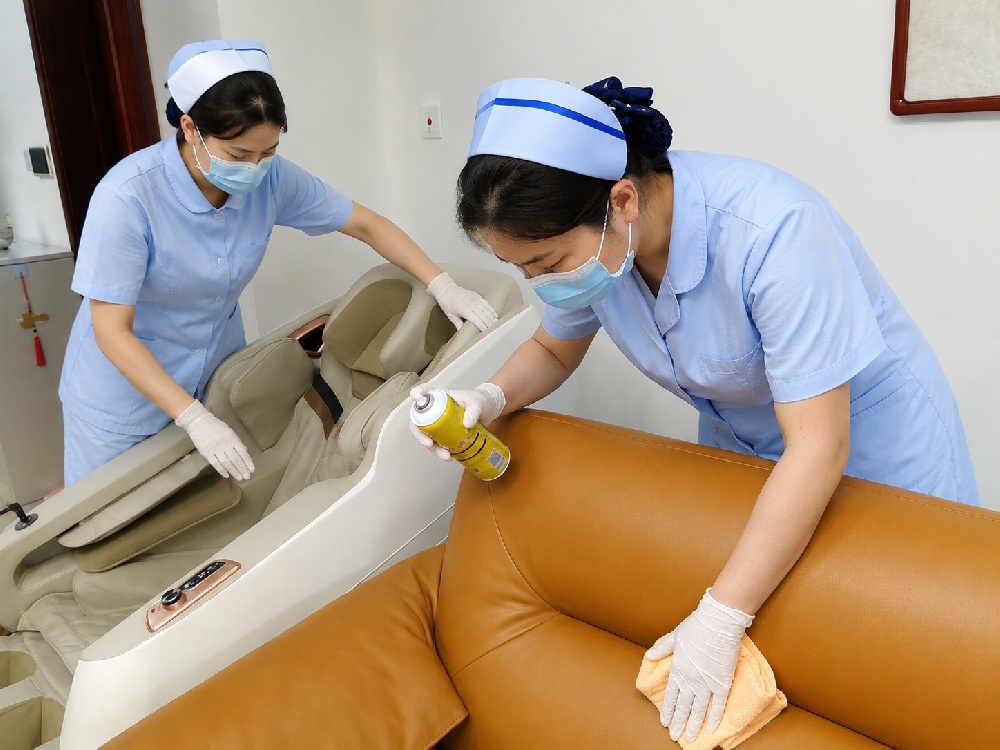
Healthcare environments require upholstery materials that can withstand daily cleaning, disinfectant exposure, body contact, spills, and continuous use.
From hospitals and clinics to infusion centers and healthcare waiting rooms, easy-to-clean upholstery plays a critical role in hygiene control and long-term furniture durability.
1. Why Easy-Clean Upholstery Matters
Healthcare furniture surfaces experience constant exposure to patients, medical staff, liquids, disinfectants, and daily physical contact.
Easy-clean healthcare upholstery helps reduce maintenance time, improves infection control procedures, and supports cleaner patient environments.
2. Key Features of Easy-to-Clean Healthcare Upholstery
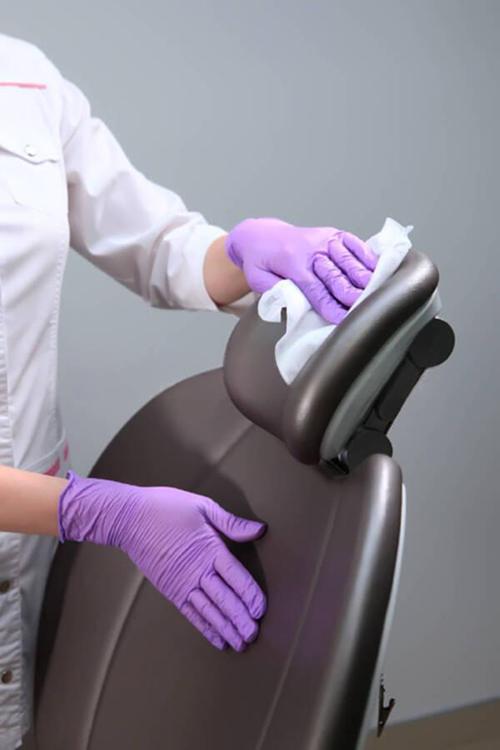
Modern healthcare upholstery materials are engineered with specialized surface technologies that improve cleaning performance while maintaining comfort and durability.
Waterproof surface protection
Disinfectant resistance
Easy stain removal
Smooth non-porous surfaces
High abrasion resistance
Long-term color stability
3. Common Healthcare Upholstery Materials
Several upholstery materials are commonly used for healthcare seating applications depending on performance requirements and budget considerations.
| Material | Advantages | Applications |
|---|---|---|
| PU Healthcare Upholstery | Soft touch, waterproof, easy cleaning | Patient recliners, treatment chairs |
| Healthcare Vinyl | Strong disinfectant resistance | Waiting rooms, public seating |
| Silicone Upholstery | Premium durability and hydrolysis resistance | High-end medical seating |

4. Healthcare Cleaning & Disinfection Process
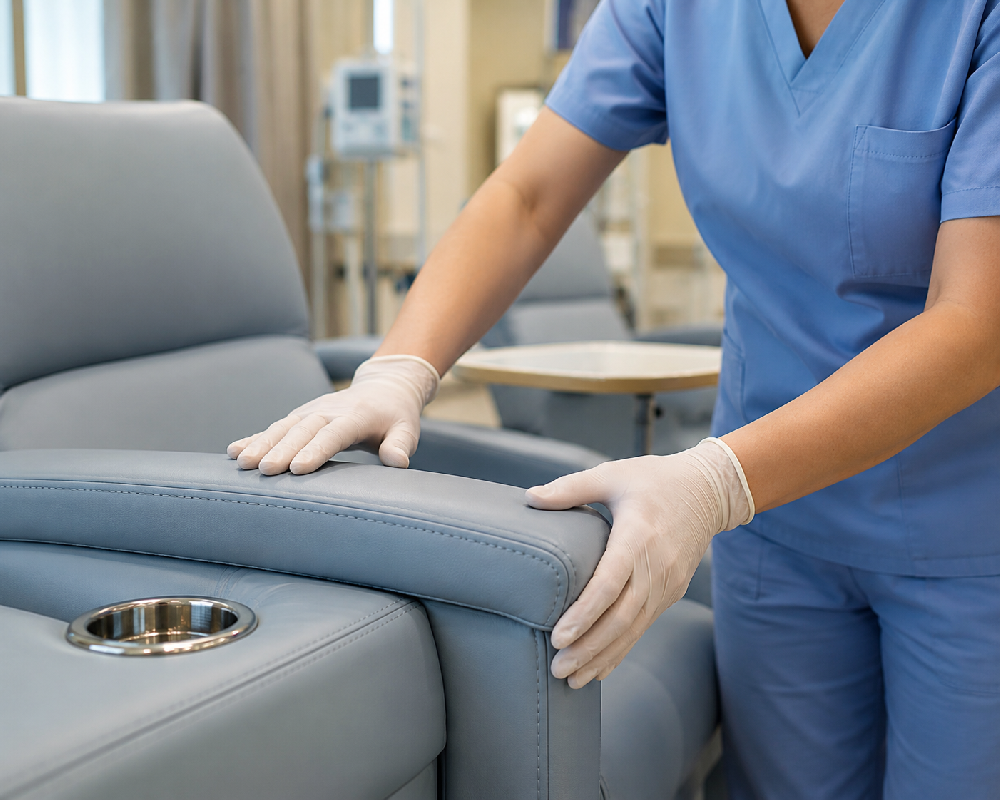
Daily healthcare upholstery maintenance typically includes surface wiping, disinfectant application, and routine cleaning procedures.
Remove loose dust and debris
Apply approved healthcare disinfectant
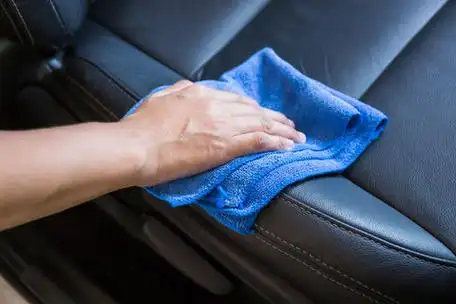
Wipe surfaces with microfiber cloth
Allow disinfectant dwell time
Dry surfaces completely
5. Healthcare Seating Applications
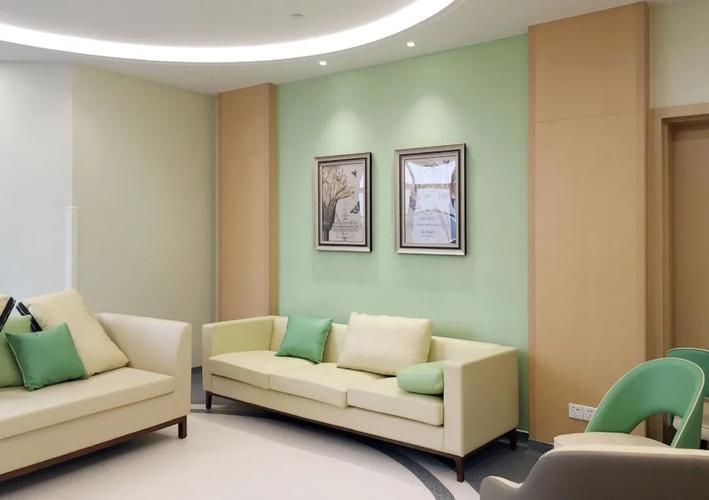
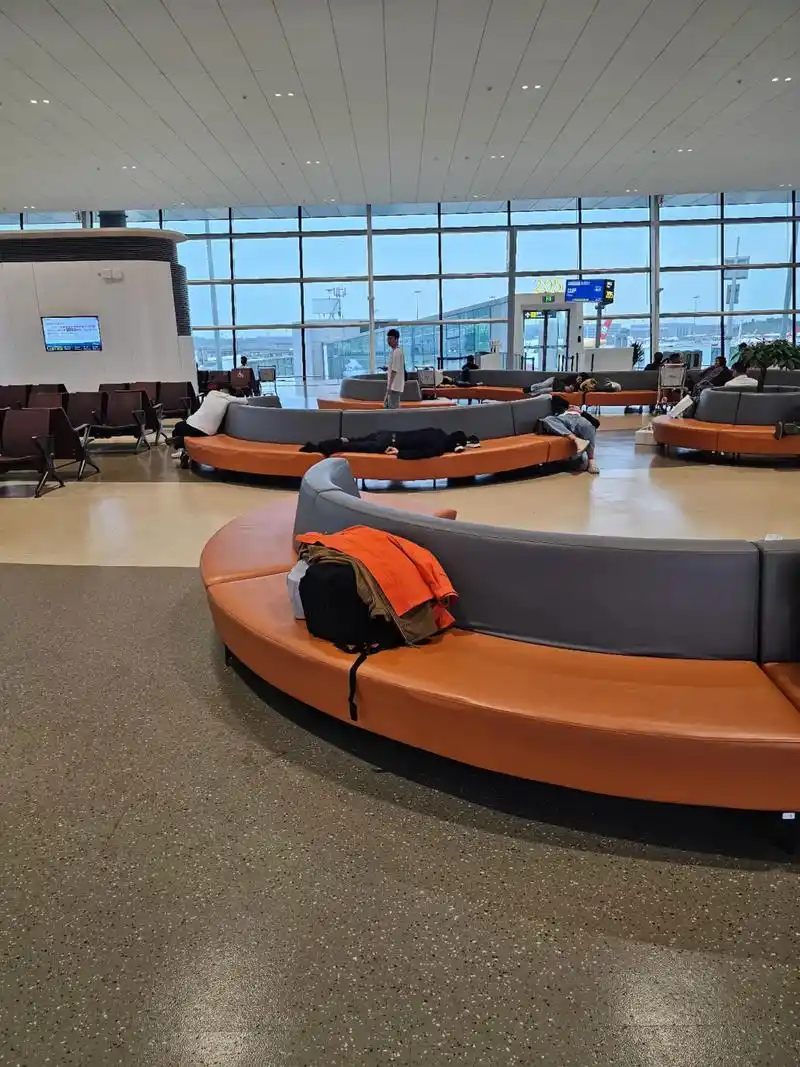
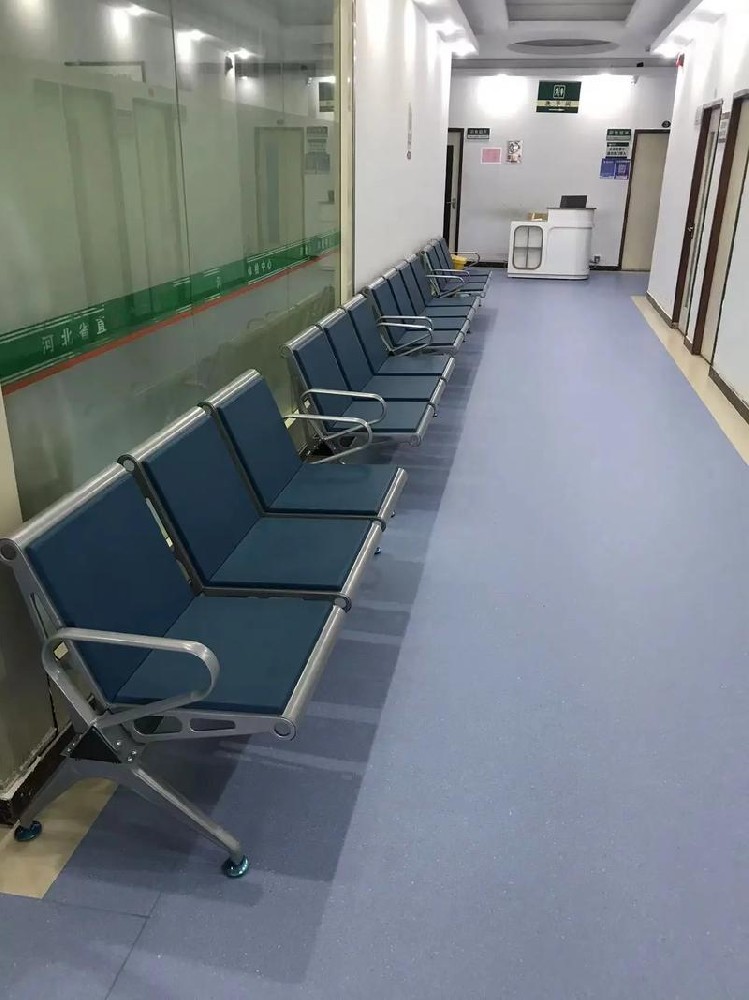
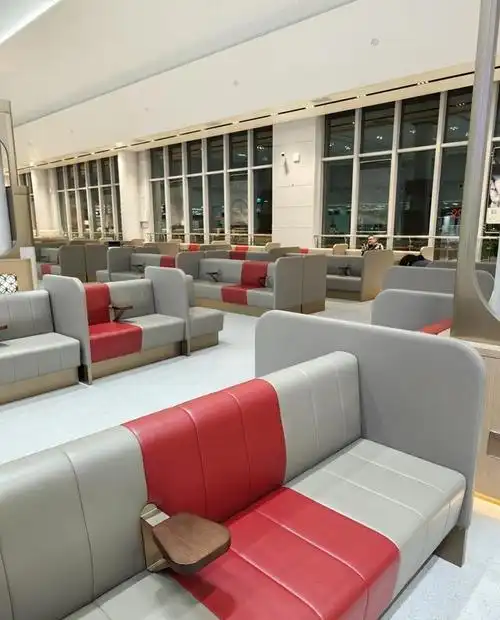
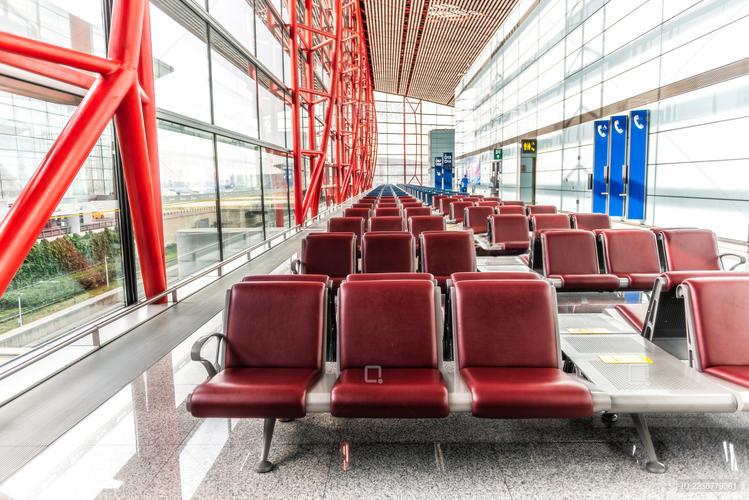
Hospital waiting room seating
Medical recliners
Infusion chairs
Treatment room seating
Behavioral healthcare furniture
Dental clinic seating
Patient examination chairs
6. Upholstery Maintenance Tips
Use approved healthcare disinfectants
Avoid abrasive cleaning tools
Clean spills immediately
Inspect seams regularly
Perform routine surface maintenance
Follow manufacturer cleaning recommendations
7. Frequently Asked Questions
Q: What is the best upholstery material for hospitals?
PU, silicone, and healthcare-grade vinyl are commonly used because of their waterproof, disinfectant-resistant, and easy-clean properties.
Q: Can healthcare upholstery resist disinfectants?
Yes. Healthcare upholstery materials are engineered to tolerate repeated exposure to hospital disinfectants and cleaning chemicals.
Q: Why is easy-clean upholstery important in healthcare?
Easy-clean surfaces help improve infection control, reduce maintenance time, and maintain furniture appearance in demanding healthcare environments.
8. Related Healthcare Upholstery Guides
Explore Easy-to-Clean Healthcare Upholstery Materials
Yizen Leather supplies easy-clean healthcare upholstery materials including healthcare PU leather, silicone upholstery, waterproof synthetic leather, and medical seating materials for hospitals, clinics, treatment rooms, and commercial healthcare furniture manufacturers.
Request Healthcare Upholstery Samples →
Related Upholstery Leather Guides