Healthcare Upholstery Maintenance Tips | Medical Seating Care Guide
Explore Related Upholstery Topics
Furniture Leather Waterproof Upholstery Silicone vs PU Restaurant Upholstery Medical UpholsteryHealthcare Upholstery Maintenance Tips | Medical Seating Care Guide
Quick Navigation
1. Why Healthcare Upholstery Maintenance Matters 2. Daily Healthcare Cleaning Procedures 3. Proper Disinfectant Usage 4. Common Upholstery Damage Problems 5. How to Extend Upholstery Lifespan 6. Inspection and Preventive Maintenance 7. Frequently Asked Questions
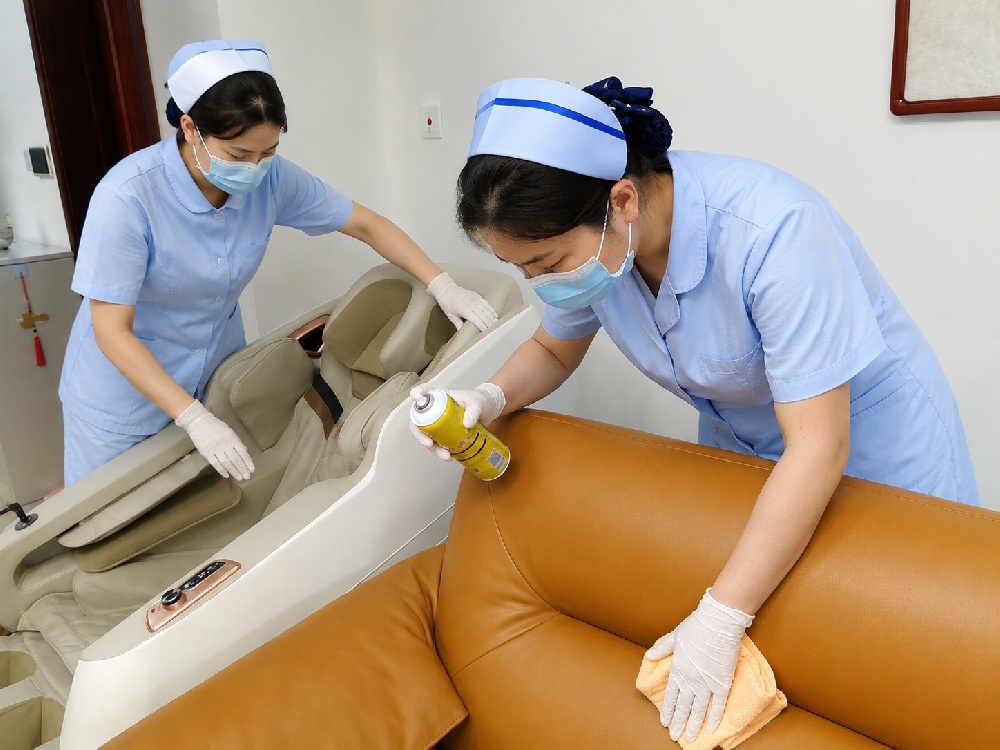
Healthcare seating surfaces are exposed to continuous patient contact, disinfectants, cleaning chemicals, moisture, body fluids, and high daily traffic. Without proper maintenance, upholstery surfaces may gradually crack, discolor, harden, or lose their protective coating.
Proper healthcare upholstery maintenance helps extend furniture lifespan, improve cleaning efficiency, maintain appearance, and support long-term hygiene control in hospitals, clinics, dental rooms, treatment centers, and patient waiting areas.
1. Why Healthcare Upholstery Maintenance Matters
Medical seating surfaces experience more demanding conditions than ordinary office or residential furniture. Hospital waiting chairs, dental seating, infusion recliners, treatment room stools, and patient chairs are often cleaned multiple times every day.
Without proper maintenance routines, upholstery materials may deteriorate faster under repeated disinfectant exposure and continuous use. Small surface problems can gradually develop into cracking, peeling, seam damage, and difficult-to-clean surfaces.
2. Daily Healthcare Cleaning Procedures
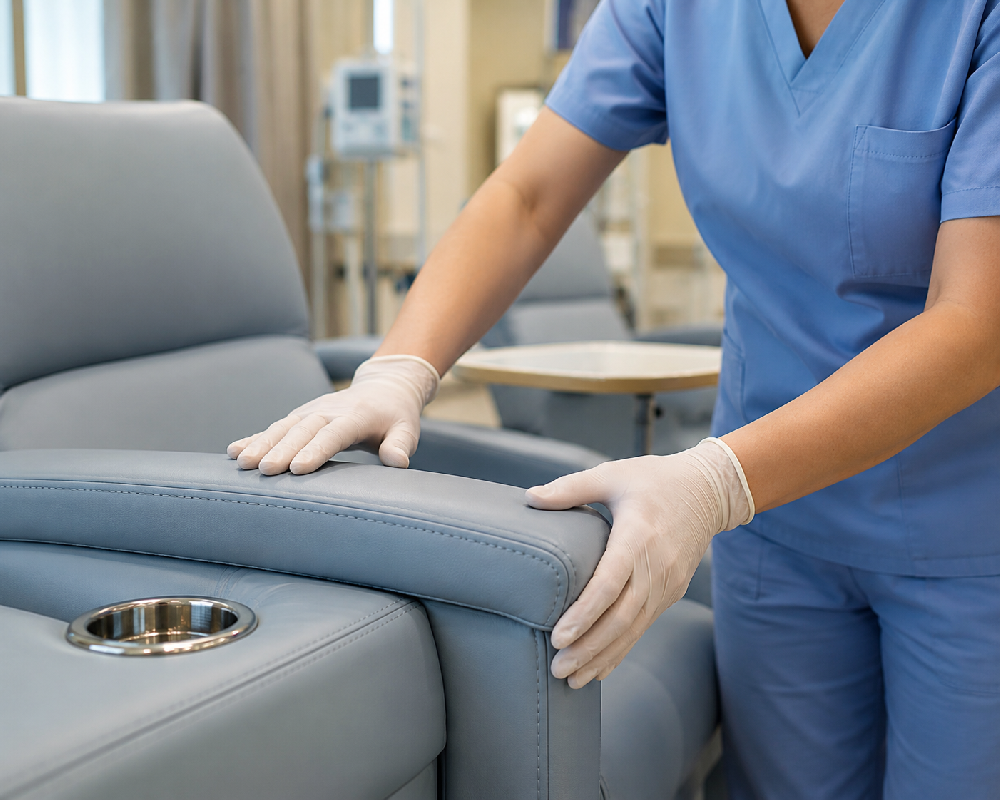
Daily cleaning is one of the most important parts of healthcare upholstery maintenance. A proper cleaning process helps reduce contamination buildup and supports easier long-term maintenance.
Remove loose dust, debris, and surface particles
Apply approved healthcare disinfectant or cleaning solution
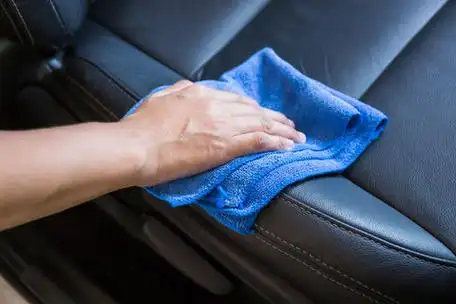
Use a soft microfiber cloth for wiping
Allow proper disinfectant dwell time
Dry the surface completely after cleaning
Daily wipe-clean procedures are especially important for waiting room seating, dental chairs, infusion recliners, behavioral healthcare furniture, and high-contact patient seating.
3. Proper Disinfectant Usage
Healthcare upholstery materials are often designed to tolerate approved disinfectants, but excessive chemical concentration or improper cleaning methods can still damage the surface over time.
| Maintenance Recommendation | Why It Matters |
|---|---|
| Use approved healthcare disinfectants | Helps reduce unnecessary chemical damage |
| Avoid highly abrasive cleaning pads | Prevents surface scratching and coating wear |
| Do not over-concentrate bleach solutions | Reduces risk of fading and surface hardening |
| Wipe off excess chemical residue | Helps maintain coating stability and appearance |
4. Common Upholstery Damage Problems
Healthcare upholstery may gradually develop wear-related issues if maintenance routines are inconsistent or if unsuitable cleaning methods are used.
Surface cracking around high-contact areas
Peeling caused by coating deterioration
Color fading after repeated disinfectant exposure
Sticky or tacky surface feel
Liquid penetration through damaged seams
Hydrolysis-related surface breakdown
5. How to Extend Upholstery Lifespan
Preventive maintenance helps healthcare seating remain functional and professional-looking for longer periods. Small routine actions can significantly reduce long-term replacement costs.
Clean spills immediately
Reduce standing moisture on the surface
Inspect seams regularly for early wear signs
Rotate seating usage in high-traffic waiting areas when possible
Use upholstery materials suitable for healthcare disinfectants
Perform routine preventive inspection schedules
6. Inspection and Preventive Maintenance
Healthcare facilities often inspect seating surfaces as part of routine furniture maintenance programs. Early identification of surface damage helps prevent larger upholstery failures later.
Maintenance teams should pay attention to stitching areas, seat edges, high-contact armrests, moisture-prone zones, and any signs of coating deterioration.
7. Frequently Asked Questions
Q: Why is healthcare upholstery maintenance important?
Proper maintenance helps extend furniture lifespan, improve hygiene control, maintain appearance, and reduce long-term replacement costs.
Q: Can healthcare upholstery be damaged by disinfectants?
Yes. Excessive chemical exposure, incorrect cleaning methods, or unsuitable disinfectants may gradually damage upholstery surfaces.
Q: What cleaning tools are recommended for healthcare upholstery?
Soft microfiber cloths and approved healthcare cleaning products are generally recommended to reduce surface wear.
Q: How can hospitals extend upholstery lifespan?
Regular inspection, immediate spill cleaning, correct disinfectant usage, and preventive maintenance routines all help extend upholstery durability.
Related Healthcare Upholstery Guides
-
Waterproof Healthcare Seating Materials
-
Hydrolysis Resistant Healthcare Upholstery
Explore Healthcare Upholstery Maintenance Solutions
Yizen Leather supplies healthcare upholstery materials for hospitals, clinics, treatment rooms, dental seating, patient recliners, and medical furniture manufacturers. We support waterproof upholstery, disinfectant resistant materials, healthcare PU leather, vinyl seating surfaces, and customized medical upholstery solutions.
Request Healthcare Upholstery Samples →
Related Upholstery Leather Guides