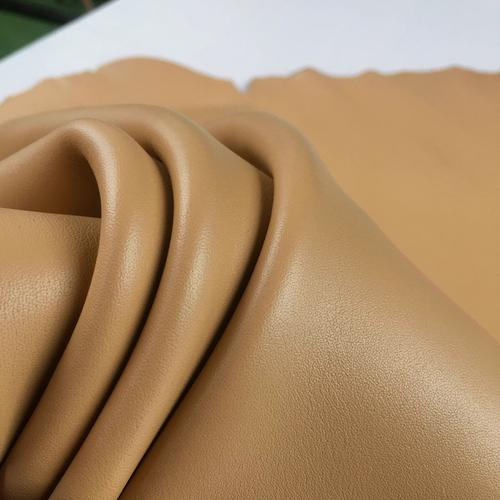
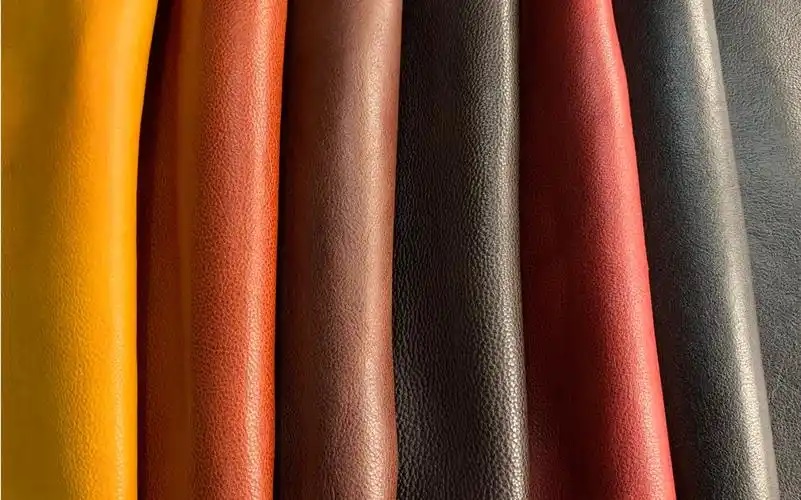
Hospitality Furniture Upholstery Solutions | Commercial Seating Material Guide
Explore Related Upholstery Topics
Furniture Leather Waterproof Upholstery Silicone vs PU Restaurant Upholstery Medical UpholsteryHospitality Furniture Upholstery Solutions | Commercial Seating Material Guide
Introduction
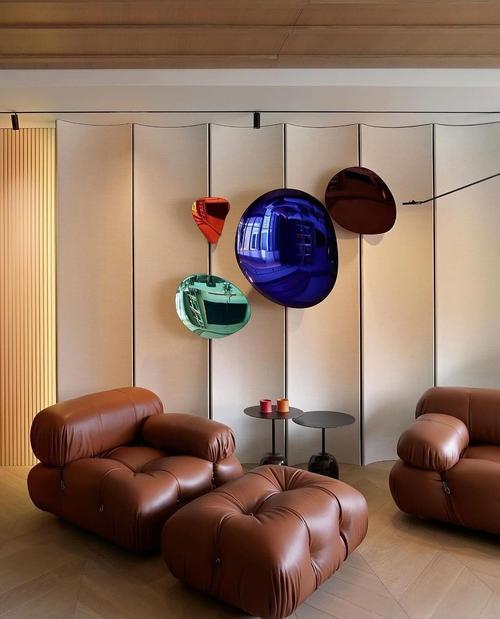
Hospitality Furniture Upholstery Solutions is an important specification topic for commercial hotelity seating projects. In hotel lobbies, hotelity lounges, reception sofas, restaurant seating, bar seating, guest waiting areas and resort furniture production, upholstery is not only a visible finish. It affects cleaning efficiency, guest comfort, replacement planning, project appearance, warranty conversations and the long-term performance of the furniture. A material that looks attractive on a small swatch may not be suitable for daily hotelity use if it cannot handle repeated sitting, wiping, body oils, moisture, seam tension and high-contact edges.
Yizen Leather manufactures synthetic leather and commercial upholstery materials for B2B seating projects. From the manufacturer side, the right hotelity furniture upholstery solutions should be selected according to real service conditions: traffic level, cleaning routine, cushion design, color direction, backing stability, waterproof needs, abrasion resistance, roll width, lead time and repeat order support. These details help buyers choose a material that can be upholstered efficiently and maintained realistically after installation.
This guide is written for hotelity furniture manufacturers, hotel groups, FF&E suppliers, contractors, architects, interior designers and B2B upholstery buyers. It explains how to compare materials, prepare a practical specification and request samples before bulk production. Buyers who are building a wider commercial upholstery plan can also review Commercial Upholstery Leather, Hospitality Upholstery Leather, Restaurant Booth Upholstery, Office Seating Upholstery Leather, Airport Seating Upholstery, Medical Upholstery Leather, Waiting Area Upholstery Material, Cinema Seating Upholstery, Hotel Lobby Seating Upholstery, Airport Lounge Seating Upholstery.
What Is Hospitality Furniture Upholstery Solutions
Hospitality Furniture Upholstery Solutions refers to coated upholstery material, synthetic leather or commercial seating leather used on hotelity furniture that must perform in professional environments. The material may be PU, PVC, silicone-modified, microfiber-backed or a hybrid construction. The best option depends on the seating structure, cleaning method, visual standard, comfort target and expected service life.
In procurement terms, hotelity furniture upholstery solutions should be evaluated by specification instead of appearance alone. Buyers should ask for information about abrasion behavior, hydrolysis resistance, color fastness, tear strength, backing type, thickness tolerance, roll width, surface coating and compatible cleaning methods. For projects where moisture, disinfectants or very frequent wiping are expected, the cleaning recommendation should be confirmed before the material is approved.
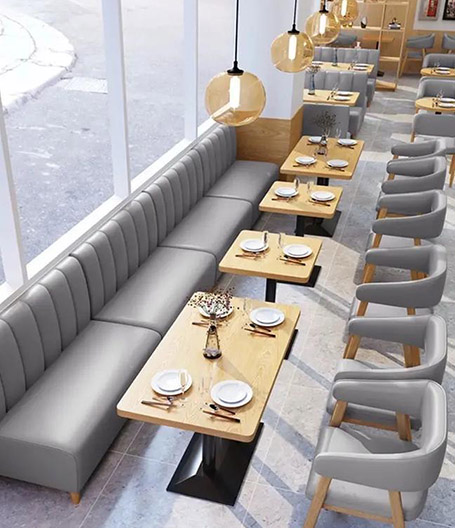
Commercial hotelity seating often needs repeatable supply. A project may begin with one reception zone or guest lounge and then expand to additional rooms, branch properties or replacement panels. If the approved upholstery cannot be repeated in color and grain, the furniture may look inconsistent after later orders. Yizen Leather supports project discussion for approved swatches, batch records, custom color direction and repeat supply planning.
Performance Requirements
The performance requirement for hotelity furniture upholstery solutions should follow the actual service environment. A quiet private consultation room, a public hotel waiting area, a dental guest lounge and a busy reception lounge do not place the same stress on upholstery. Some areas need maximum easy-clean behavior. Others need a warmer touch, more refined grain or stronger backing for complex upholstery work.
Cleanability is usually the first concern. Hospitality seating is touched by many users and may be wiped several times each day. A protective surface helps reduce staining and makes daily maintenance faster. However, buyers should not assume that every synthetic leather reacts the same way to every cleaner. The maintenance team should understand whether neutral cleaner, diluted disinfectant, alcohol-based cleaning or simple wiping is suitable for the selected material.
- Balanced focus: balanced cleanability and comfort for daily guest and visitor contact
- Stable focus: stable backing for curved cushions, seams, armrests and modular seating
- Waterproof focus: waterproof or easy-clean topcoat options for practical hotelity maintenance
- Color focus: color consistency for multi-room and multi-site hotelity projects
- Commercial focus: commercial supply support for furniture factories and project contractors
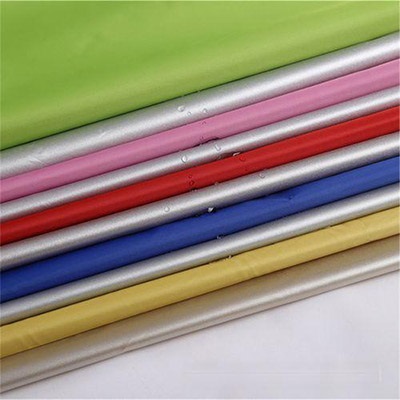
Durability should also include edge performance. The front edge of a cushion, armrests, headrest areas and stitched corners often wear faster than the center of the seat. During sample review, the furniture factory should test the material on curves and seams, not only on a flat board. Stretch direction, backing strength and recovery after folding can influence the final appearance of the chair after use.
Comfort remains important even in technical hotelity spaces. Patients, guests and staff may sit for long periods, so the surface should not feel sticky, overly rigid or unpleasant under indoor lighting and climate conditions. A balanced material gives the project both serviceability and a professional user experience.
Another requirement is responsibility after installation. Many upholstery failures are not caused by one single factor. They come from a mismatch between the selected material, the furniture shape, the cleaning product, the user traffic and the maintenance routine. For this reason, the upholstery supplier, furniture factory and project buyer should discuss expected use before final approval. When everyone understands the service conditions, the material recommendation becomes more accurate and future maintenance disputes are easier to avoid.
For commercial projects, performance should also be considered across the full furniture life cycle. The material must arrive in stable rolls, cut efficiently, sew consistently, install cleanly and continue looking professional after daily use. A good sample should therefore be judged by more than color. Buyers should fold it, wipe it, stretch it lightly, compare the backing and ask the factory how it behaves on the actual seat shape.
Material Selection
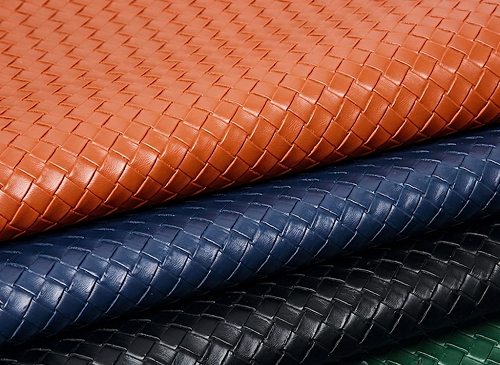
There are several possible material directions for hotelity furniture upholstery solutions. PU synthetic leather is often selected when buyers need a softer hand feel, attractive grain and good upholstery flexibility. PVC synthetic leather can be useful when the project prioritizes waterproof behavior, firm surface performance or practical cleaning. Silicone-modified and specialty coated materials may be considered for projects that need higher cleaning performance or premium technical behavior. Microfiber-backed materials can provide a more substantial structure and stronger backing for selected furniture types.
The best choice is not always the most expensive material. A public seating area may benefit from a robust, easy-clean topcoat more than a very soft luxury surface. A premium property or hotel reception area may need a refined texture and calm color because the seating supports brand perception. A treatment chair may need stronger moisture resistance and seam stability. Yizen Leather can compare sample options according to the project priority instead of pushing one material for every situation.
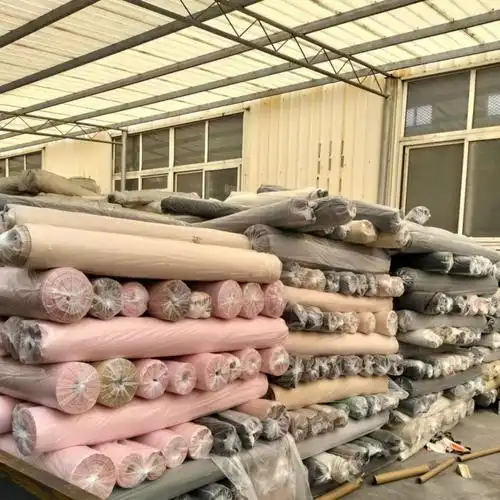
Color and grain should be selected with the environment in mind. Light colors can communicate cleanliness but may require stronger stain resistance. Dark colors can hide marks but may feel heavy in small hotelity rooms. Muted blue, gray, green, beige, taupe and warm neutral colors are common because they balance calm appearance with maintenance practicality. Physical samples should be reviewed under the project lighting, because hotel and resort lighting can change how a surface appears.
Material selection should also consider furniture production. Roll width affects cutting yield. Thickness and backing affect seam performance. Surface grain affects how marks appear under use. A stable material reduces waste and helps furniture factories maintain consistent appearance across large batches of chairs, sofas or benches.
For project buyers, it is useful to separate three levels of approval. The first level is visual approval, where the buyer confirms color, grain and general hand feel. The second level is technical approval, where the material is checked against cleaning, abrasion, waterproof or backing requirements. The third level is production approval, where the furniture factory confirms cutting, sewing, installation and finished appearance. This staged process is slower than choosing from a photo, but it protects the project from expensive mistakes.
Yizen Leather can also support buyers who need to compare several price and performance levels. Some projects need a premium hand feel for front-of-house seating, while back-of-house or high-turnover zones may need stronger practicality. By discussing expected traffic, upholstery construction and order quantity, the supplier can recommend a material direction that fits both the design intent and the commercial budget.
Application Scenarios
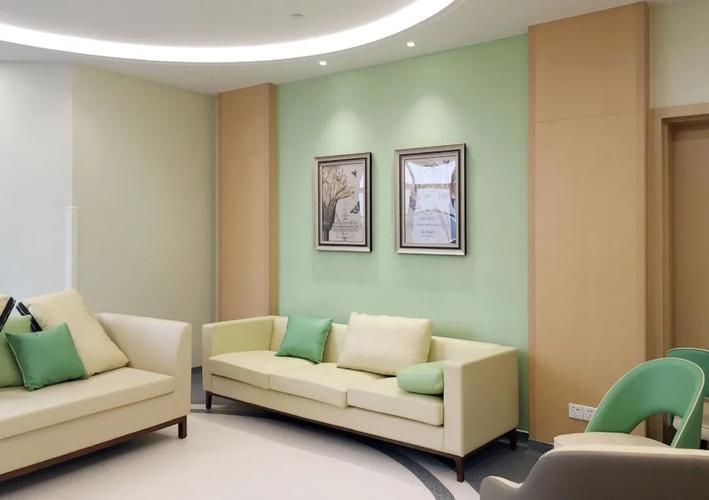
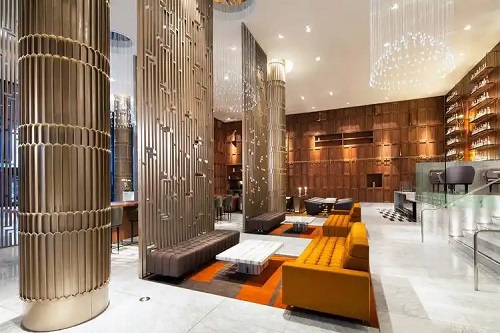
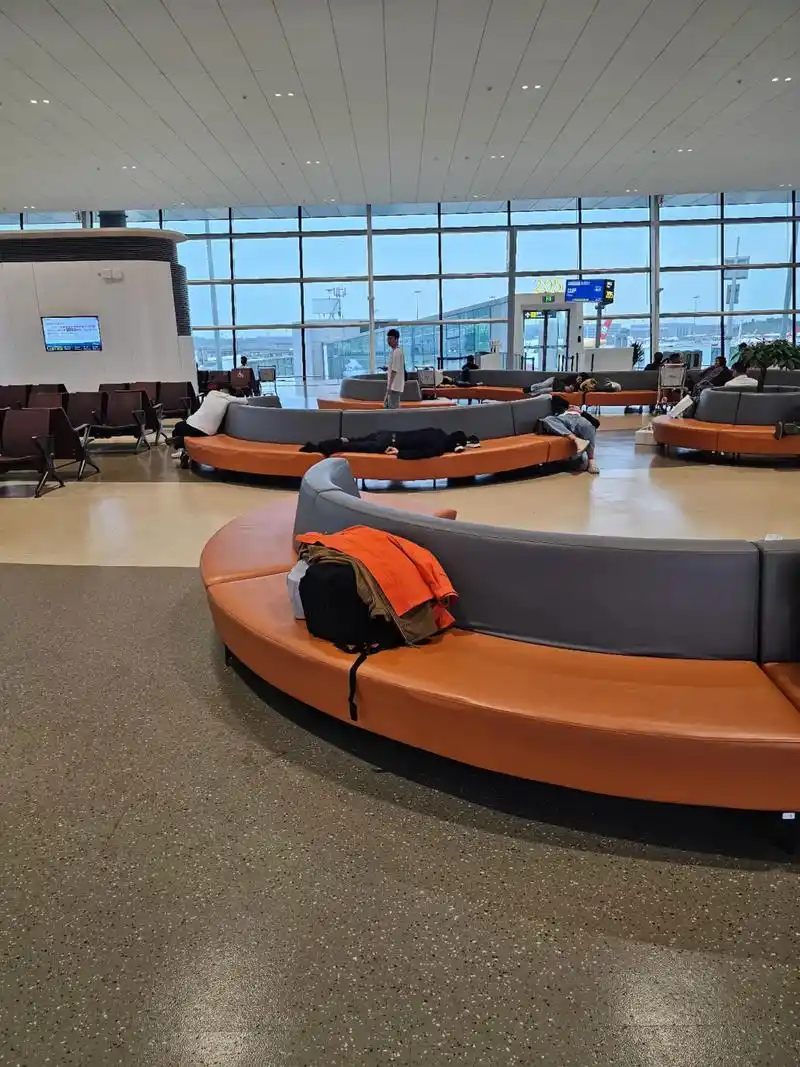
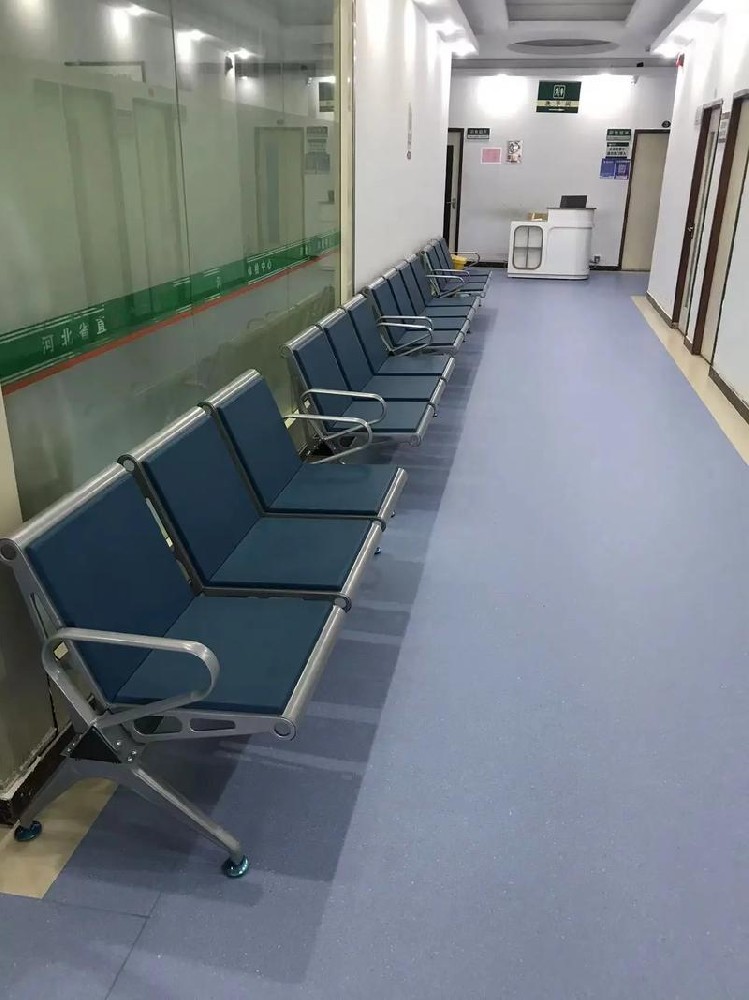
Hospitality Furniture Upholstery Solutions can be used in many hotelity and commercial seating settings, including hotel lobbies, hotelity lounges, reception sofas, restaurant seating, bar seating, guest waiting areas and resort furniture production. Each application has a different balance of hygiene, comfort, durability and visual design. A reception sofa must look welcoming and professional. A treatment chair must support cleaning and body contact. A public waiting chair must resist frequent traffic, bags, movement and edge wear.
For multi-zone projects, Yizen Leather recommends building a material map. The map lists each seating area, expected user volume, cleaning method, furniture construction, color family and required performance level. This prevents a project from using one material everywhere when different zones have different risks. It also gives the purchasing team, contractor and furniture manufacturer one shared standard for sample approval.
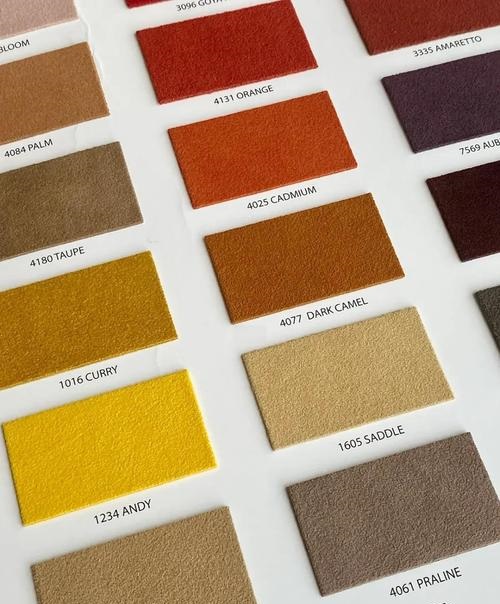
Hospitality projects usually involve several decision makers. Architects and designers focus on the interior atmosphere. Procurement teams focus on cost, lead time and supplier reliability. Furniture manufacturers focus on cutting, sewing and upholstery behavior. Facility teams focus on cleaning and replacement. A well-prepared upholstery specification helps each group make decisions from the same information.
For property chains, hotel groups and long-term care operators, consistency is especially valuable. One approved upholstery family can support several branches while still allowing different colors for different departments. Pediatric zones, rehabilitation spaces, VIP lounge zones, hotel reception areas and team lounges may use different colors, but they should still share a practical commercial performance baseline.
Comparison Table
| Buying Factor | What To Check | Why It Matters |
|---|---|---|
| Cleanability | Wipe-clean topcoat, stain resistance and compatible cleaning method | Supports daily hotelity maintenance and keeps seating professional |
| Abrasion Resistance | Surface performance under repeated sitting, sliding and edge contact | Reduces early wear in high-turnover commercial spaces |
| Waterproof Behavior | Moisture-resistant surface and backing stability | Helps protect foam and supports practical hygiene management |
| Backing Strength | Tear strength, stretch direction and seam behavior | Improves upholstery work on curves, corners and tight cushions |
| Comfort | Hand feel, softness, grain depth and surface temperature | Improves guest, visitor and staff experience during long sitting |
| Color Consistency | Approved swatch, batch records and repeat order support | Protects visual consistency across rooms, phases and future replacements |
| Supply Support | MOQ, roll width, packing, sample timing and production lead time | Helps furniture factories and contractors plan delivery accurately |
A comparison table is useful at the early stage, but final approval should include physical samples and, when possible, a real furniture test. The buyer should review how the material behaves after folding, stretching, wiping and installation on a cushion or chair frame.
How To Choose Hospitality Furniture Upholstery Solutions
Start with the environment, not the color card. Define who will use the seating, how long they may sit, how often cleaning will happen, whether food or drinks are nearby, whether luggage, service carts and guest belongings may touch the surface and whether sunlight or strong indoor lighting will affect appearance. This prevents a visually attractive material from being placed into a job it was not designed to handle.
Second, confirm the furniture construction. Ask whether the material will be used on flat panels, curved cushions, headrests, armrests, recliner mechanisms, modular benches, stitched channels or tight corners. A material with too much stretch may loosen after use. A material that is too stiff may be difficult to upholster cleanly. Testing on a prototype or sample panel is valuable for high-volume projects.
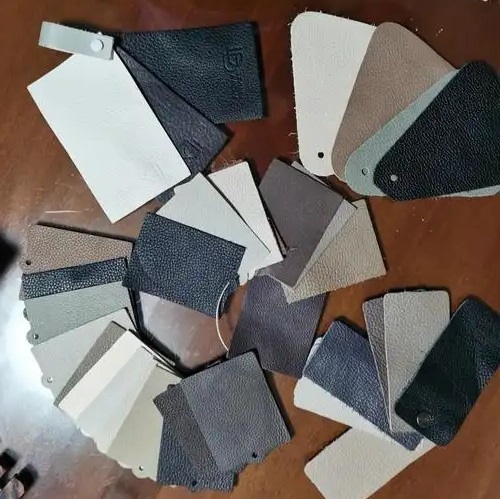
Third, confirm procurement details. Check MOQ, roll width, lead time, packaging, color approval process and whether the supplier can support repeat orders. Large commercial projects often need more than one delivery event, so repeatability is part of the specification. Keeping one approved sample in the project file can prevent confusion later.
Fourth, connect the topic to nearby commercial upholstery categories. A buyer specifying hotelity seating may also need waiting area upholstery, office reception seating, hotelity lounge seating or public seating materials. Internal comparison across related categories helps avoid isolated decisions and supports a stronger material strategy for the full project.
Fifth, consider how the seating will be maintained after handover. A project may be purchased by one team, installed by another team and cleaned by a third team. If cleaning instructions are not passed along, even a good material can be damaged by the wrong routine. Buyers should request simple maintenance guidance and share it with the facility team, especially when the seating will be used in a hotel, resort or public commercial area.
Finally, confirm the business side of the decision. Commercial buyers often need predictable lead time, stable production, sample support and clear communication more than a one-time low price. A supplier who understands commercial seating can help the buyer avoid mismatched material choices, reduce delays and support repeat orders when the project expands.
Procurement Checklist
Before placing a bulk order, buyers should prepare a clear checklist for sample review, factory testing and final approval. This is especially important when the material will be used by several furniture factories or installed across multiple rooms. A written checklist reduces misunderstandings and supports future replacement work.
Practical purchasing checklist
- Request physical samples in the target color, grain and thickness.
- Confirm material construction, topcoat type, backing and roll width.
- Check abrasion, hydrolysis, color fastness, tear strength and cleaning compatibility.
- Confirm waterproof, antibacterial, antimicrobial or flame-retardant needs if required by the project.
- Ask the furniture factory to test cutting yield, sewing behavior and upholstery on curves.
- Review MOQ, lead time, packing method, shipping plan and repeat order support.
- Keep an approved swatch and product record for future maintenance or replacement.
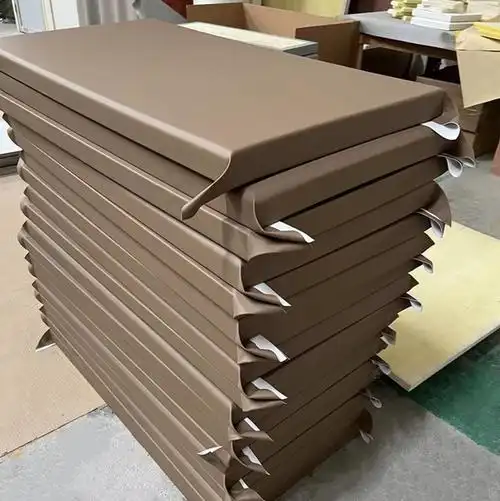
For export projects or multi-phase orders, documentation is also important. Roll labels, approved sample references, color codes and batch records help furniture manufacturers manage production more accurately. If the project may continue in later phases, the buyer should confirm whether future batches can match the first approved production closely enough for replacement panels.
Frequently Asked Questions
Is hotelity furniture upholstery solutions the same as ordinary residential sofa leather?
No. Hospitality Furniture Upholstery Solutions should be selected for commercial use, hotelity maintenance, stable backing, abrasion resistance and repeatable project supply. Residential upholstery may not be suitable for daily professional seating environments.
Can Yizen Leather provide waterproof options?
Yes. Yizen Leather can discuss waterproof and easy-clean synthetic leather options for hotelity and commercial seating projects. The final recommendation depends on the cleaning routine, furniture structure and project quantity.
Can the color and grain be customized?
Custom color and grain discussions are possible based on quantity, sample requirements and production schedule. Buyers should approve physical samples before bulk production.
How many samples should a project request?
Most projects should request several color and grain options first, then test the preferred material on a real cushion, chair frame or stitched panel. This makes final approval more reliable than a small swatch alone.
Can one material be used across a full hotelity project?
Sometimes, but different zones may need different performance levels. A material map can help separate reception, waiting, treatment, staff and public seating areas while keeping a consistent design direction.
Request Hospitality Furniture Upholstery Solutions Samples
Contact Yizen Leather for hotelity furniture upholstery solutions samples, custom color development, project consultation and commercial upholstery solutions for hotelity seating, furniture manufacturing and B2B contract projects.
- Sample Request
- Custom Colors and Grain Options
- Waterproof and Easy-Clean Upholstery Materials
- Commercial Seating Project Consultation
- Support for Furniture Manufacturers, Contractors and Hospitality Projects
Contact Yizen Leather | wey@yizenleather.com | WhatsApp: 8613620853421
Related Upholstery Leather Guides