Hospitality Upholstery Leather Sourcing Guide for Hotels and Guest Areas
Explore Related Upholstery Topics
Furniture Leather Waterproof Upholstery Silicone vs PU Restaurant Upholstery Medical UpholsteryHospitality upholstery leather has to do two jobs at the same time. It must create a warm, premium impression for guests, and it must handle repeated use from check-in areas, lounges, corridors, restaurants, and guest rooms. When sourcing materials for hotels or hospitality projects, the best choice is rarely the softest sample on the table. The better choice is the material that balances design, comfort, cleanability, durability, and stable supply.
This guide looks at hospitality upholstery leather from the purchasing side. It helps project owners, furniture manufacturers, and interior contractors compare materials by room type, maintenance routine, and project risk.
1. Separate Lobby, Lounge, Restaurant, and Guest Room Needs
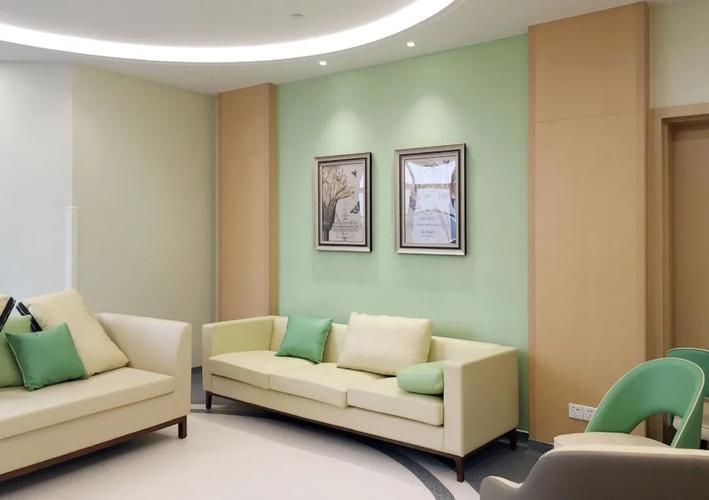
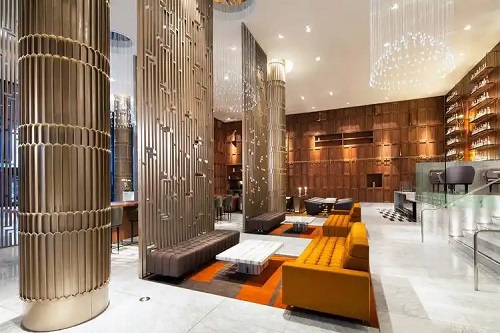
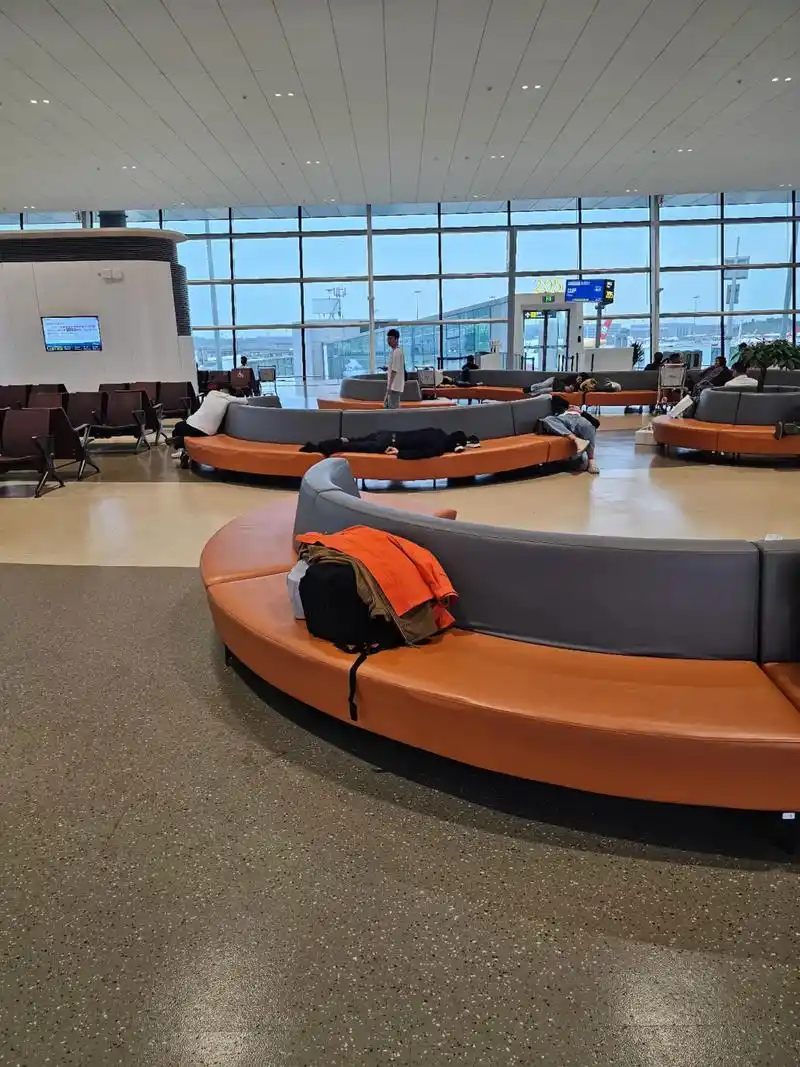
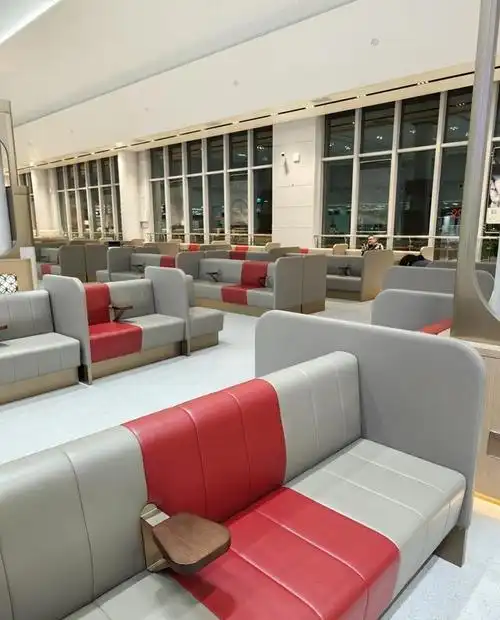
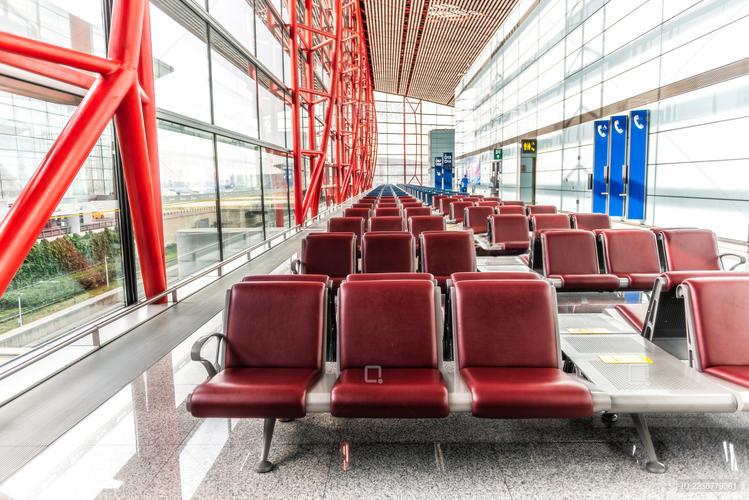
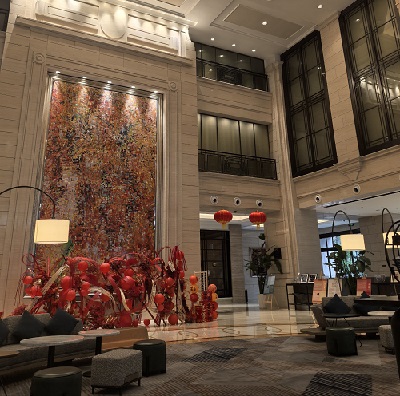
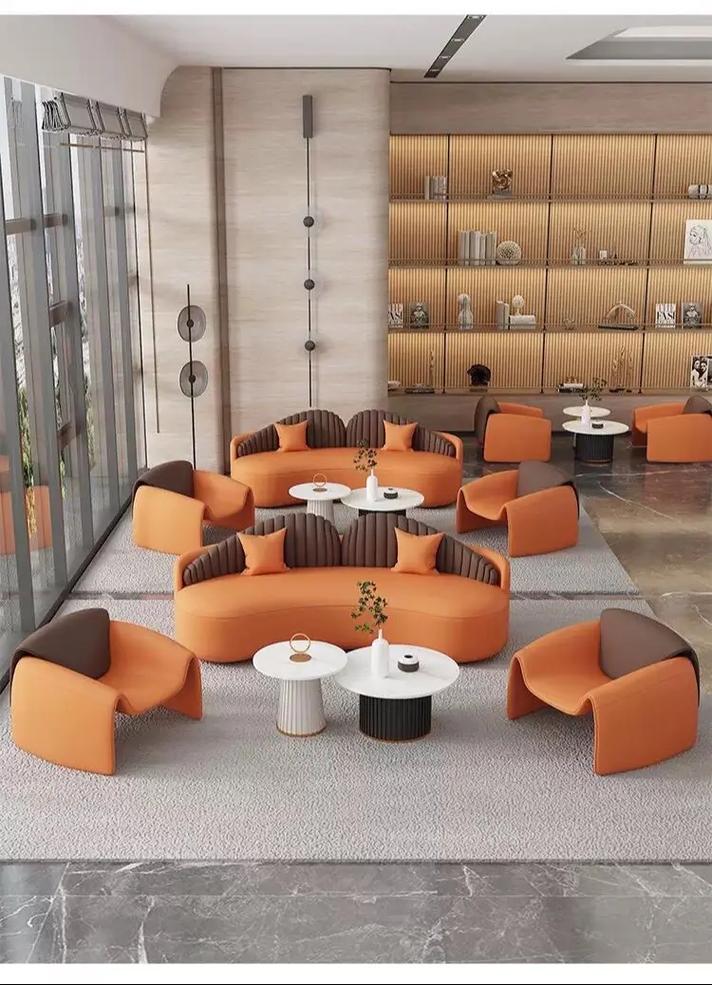
A hotel lobby sofa is exposed to luggage, quick turnover, and constant contact. Lounge seating may need a softer and more luxurious touch. Restaurant seating must deal with food, drinks, and frequent cleaning. Headboards and guest room chairs may prioritize comfort and visual softness more than extreme abrasion resistance.
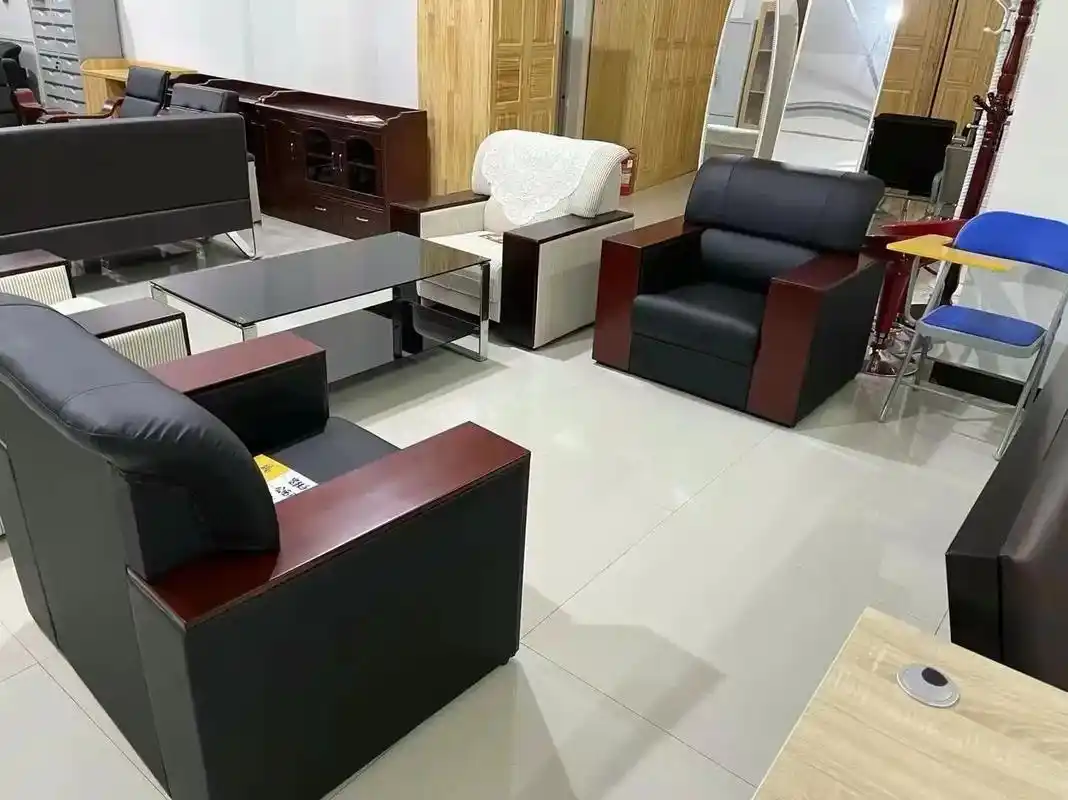
Instead of choosing one material for every area, many hospitality projects use a coordinated palette with different performance levels. For guest-facing seating, the Furniture Sofa Leather product range is a practical starting point for matching color, texture and durability. This keeps the brand image consistent while matching the real workload in each space.
2. Choose a Finish That Supports the Design Mood
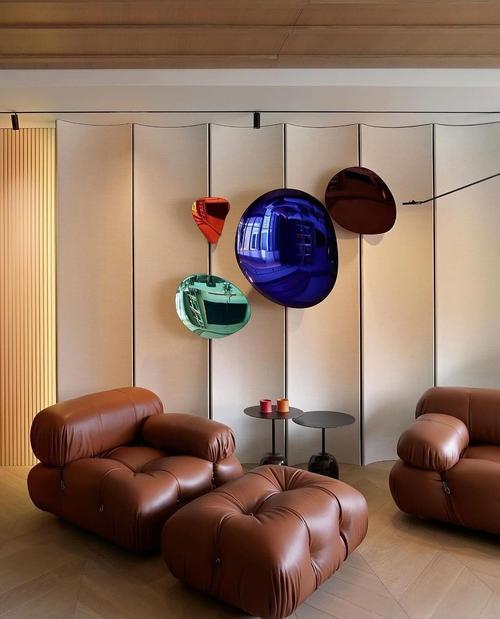
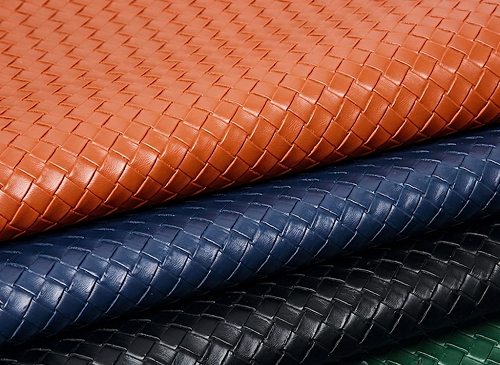
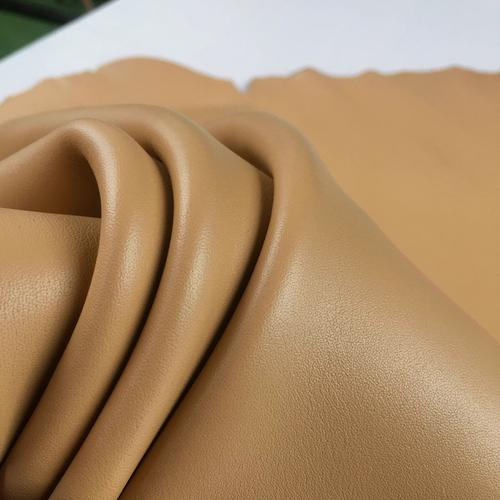
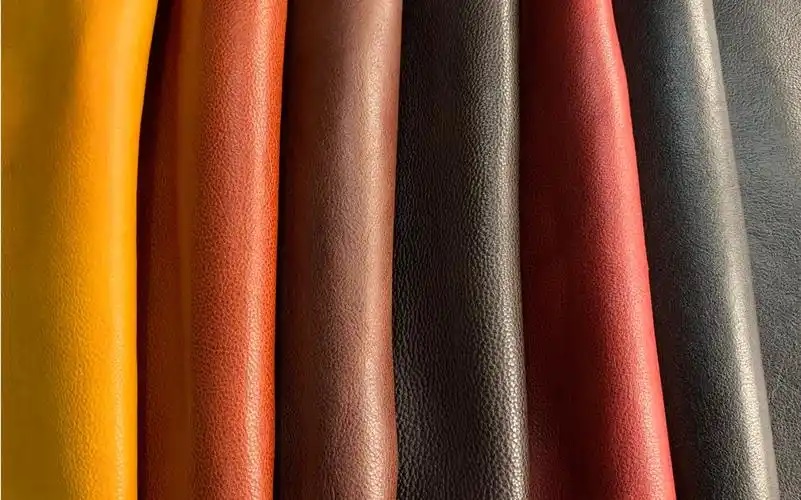
Hospitality furniture often depends on atmosphere. Matte leather can feel calm and modern, pebbled grain can hide minor scratches, smooth finishes can look elegant in boutique hotels, and warm brown or cognac tones can make public areas feel more welcoming. The finish should support the hotel concept without creating maintenance problems for the operations team.
For luxury hotels, review the material under actual project lighting. Premium options such as Litchi Grain Solvent-Free Eco Leather or Top-grain Imitation Cashmere Flocked Base Leather can support a softer hospitality look when the design calls for refined texture. A sample that looks rich in daylight may appear too glossy under warm lobby lights. Large swatches are better than small cuttings when the project includes long sofas or wide banquettes.
3. Review Cleaning Before Approving the Color
Light beige, cream, white, and pale gray are popular in hospitality interiors, but they require stronger cleaning discipline. If the material will be used near food service or public waiting areas, check stain resistance and wiping performance before approval. For premium lounges and frequently cleaned seating, 100% Full Silicone Leather is worth comparing with standard PU and PVC options. Darker colors can be easier to maintain, but they may show dust, scratches, or surface polish in some finishes.
4. Make Comfort Part of the Material Test
Hospitality seating is not only about endurance. Guests notice touch, temperature, softness, and whether the seat feels welcoming. A surface that is too plasticky can reduce perceived quality, while a material that is too delicate may create warranty pressure. Ask upholstery teams to build a small mock-up cushion or chair panel when the project has a premium positioning.
5. Control Batch Consistency for Large Projects
Hotels often require many pieces of furniture across multiple floors or zones. Color variation between rolls can become very visible when sofas, benches, and panels sit in the same visual field. For larger projects, confirm batch reservation, roll labeling, and acceptable color tolerance before production begins.
6. Hospitality Sourcing Checklist
| Area | Material Priority |
|---|---|
| Lobby seating | Abrasion resistance, luggage scuff resistance, cleanability. |
| Hotel lounge | Comfort, premium hand feel, color depth, surface stability. |
| Restaurant and bar | Water resistance, stain cleaning, seam durability. |
| Guest room furniture | Soft touch, design match, moderate durability. |
| Banquette seating | Panel consistency, easy wiping, long-term color stability. |
Related Upholstery Leather Guides
FAQ
Can one upholstery leather be used throughout a hotel?
Sometimes, but a multi-zone project often performs better when materials are selected by use area. Public seating usually needs higher durability than decorative guest room furniture.
What should hotels check before confirming light colors?
Hotels should test stain removal, denim transfer risk, cleaning compatibility, and whether housekeeping teams can maintain the surface without damaging the finish.
Related Upholstery Leather Guides