How to Choose Healthcare Upholstery | Medical Seating Material Guide
Explore Related Upholstery Topics
Furniture Leather Waterproof Upholstery Silicone vs PU Restaurant Upholstery Medical UpholsteryHow to Choose Healthcare Upholstery: Medical Seating Material Guide
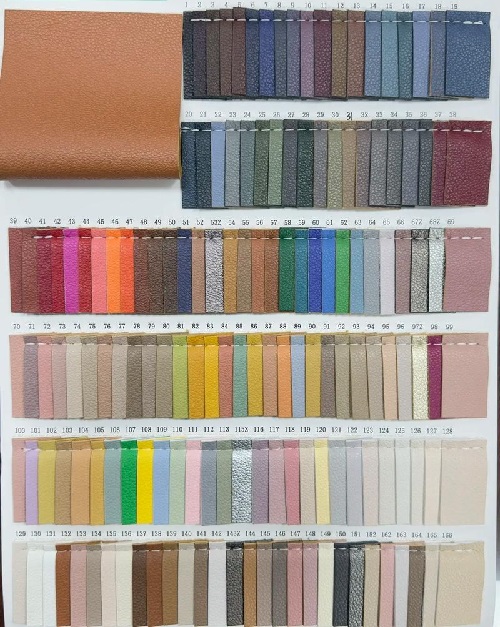
Choosing the right healthcare upholstery is not only about appearance. For hospitals, clinics, dental centers, treatment rooms, and patient care furniture, the material must support hygiene, comfort, durability, cleaning routines, and commercial performance.
A good medical upholstery material should match the application environment, meet project specifications, resist daily wear, and remain easy to clean after repeated healthcare use.
1. Why Healthcare Upholstery Selection Matters
Healthcare seating materials are exposed to patients, visitors, cleaning chemicals, moisture, body contact, repeated movement, and long daily operating hours. If the wrong material is selected, common problems may include cracking, peeling, staining, color fading, poor cleanability, and early replacement.
For medical furniture manufacturers, contractors, and healthcare facility buyers, upholstery selection should be based on real performance requirements instead of only color or price.

2. Match Upholstery to Healthcare Applications
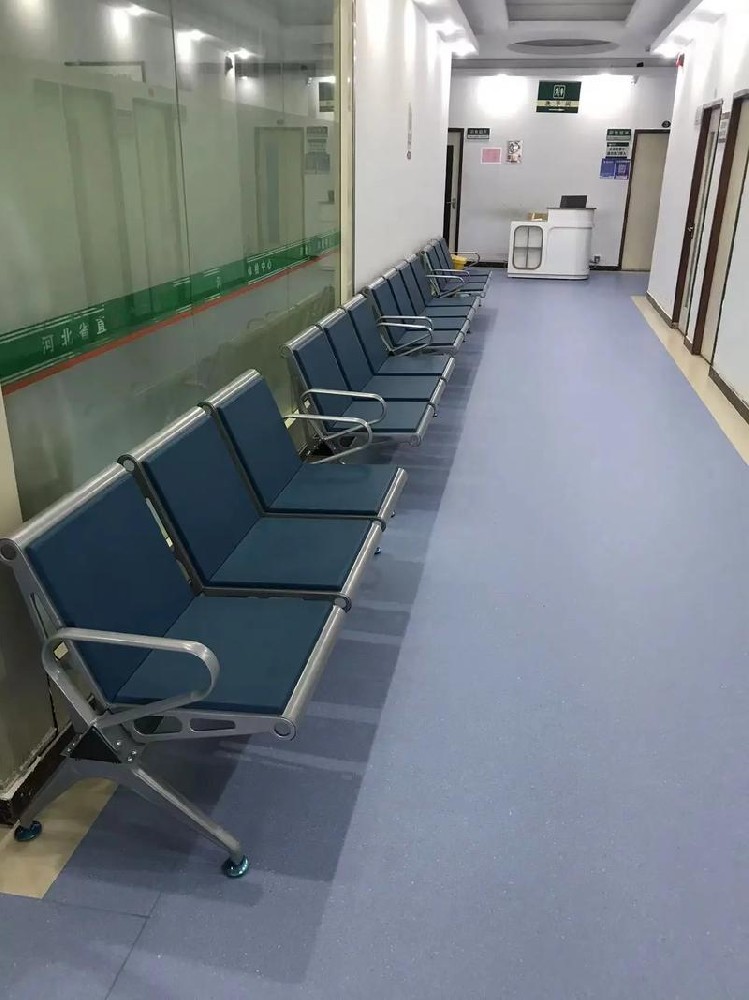
Different healthcare spaces need different upholstery performance. A dental chair, dialysis recliner, behavioral healthcare sofa, and hospital waiting room bench may all use synthetic leather, but their durability and cleaning priorities are not exactly the same.
| Application | Main Requirement | Recommended Focus |
|---|---|---|
| Patient Chairs | Comfort and cleanability | Soft touch, waterproof, easy-clean |
| Treatment Rooms | Frequent cleaning | Disinfectant resistance and surface stability |
| Waiting Areas | High traffic | Abrasion resistance and commercial durability |
| Dialysis / Chemotherapy Recliners | Long sitting time | Softness, stain resistance, waterproof protection |
| Behavioral Healthcare | Durability and calm appearance | Heavy-duty surface and easy maintenance |
3. Compare Healthcare Upholstery Materials
Healthcare PU Leather
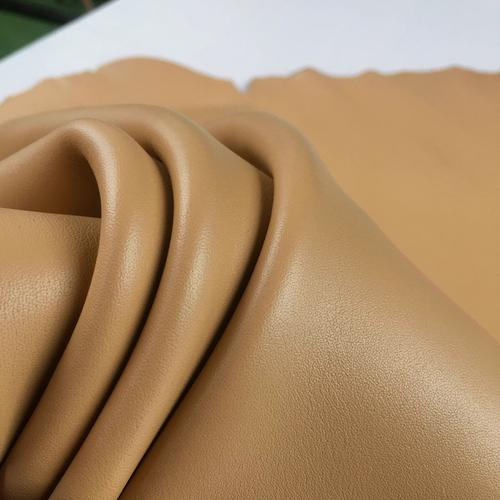
Healthcare PU leather is a versatile choice for patient chairs, clinic seating, treatment rooms, and medical recliners. It offers soft hand feel, flexible color options, waterproof protection, and good overall value.
Silicone Healthcare Upholstery
Silicone upholstery is suitable for premium healthcare projects requiring strong stain resistance, hydrolysis resistance, disinfectant compatibility, and long-term surface stability.
Healthcare Vinyl Upholstery
Healthcare vinyl upholstery is often used in public medical seating and high-traffic environments because it provides practical waterproof protection and simplified maintenance.
4. Key Performance Requirements
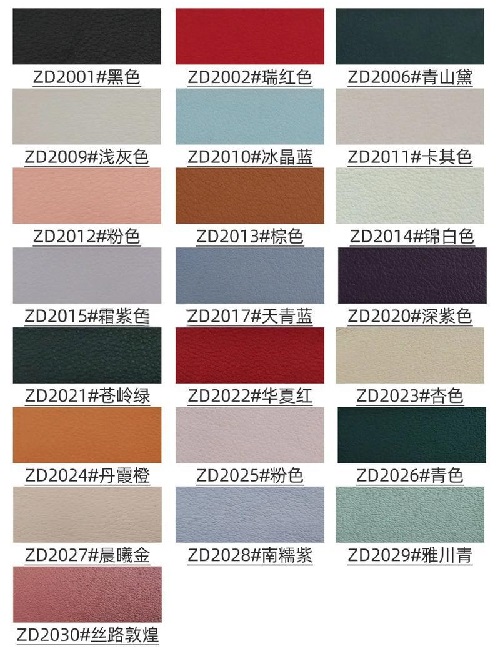
When choosing healthcare upholstery, performance requirements should be confirmed before bulk production. Key specifications usually include abrasion resistance, flame retardancy, disinfectant resistance, hydrolysis resistance, waterproof performance, and easy-clean surface treatment.
-
Abrasion resistance: important for waiting rooms, public seating, and high-traffic healthcare areas.
-
Disinfectant resistance: important for treatment rooms, dental seating, patient chairs, and clinical furniture.
-
Hydrolysis resistance: important for humid environments and long-term PU leather durability.
-
Flame retardancy: important for contract healthcare furniture and public seating projects.
-
Waterproof protection: important for medical recliners, patient chairs, and daily cleaning routines.
5. Color, Texture & Design Selection
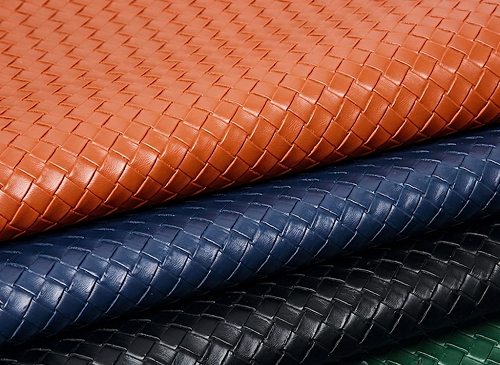
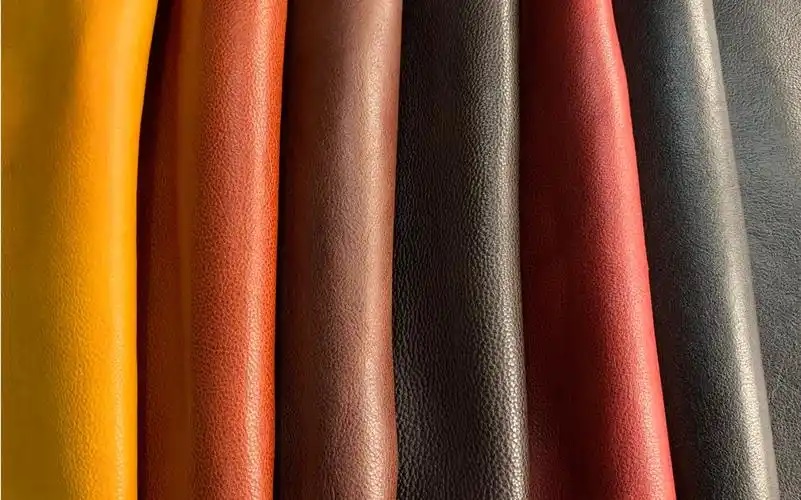
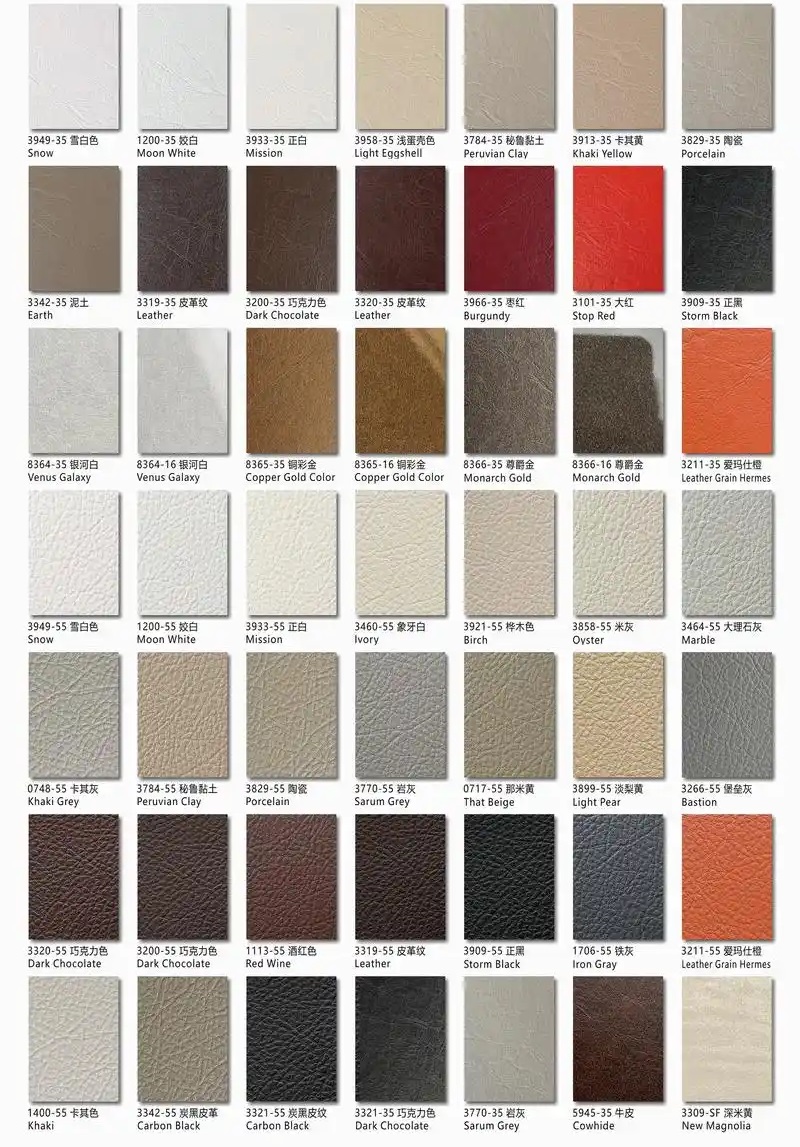
Healthcare upholstery should support both function and environment design. Soft neutral tones are often used in hospitals and clinics, while brighter colors may be selected for pediatric areas, dental clinics, rehabilitation spaces, or modern healthcare interiors.
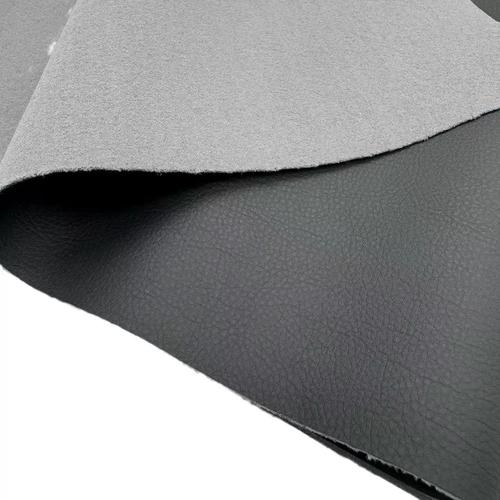
Texture also matters. Fine grain surfaces can look professional and are easy to maintain, while embossed textures may improve visual depth and help match specific furniture styles.
6. Healthcare Upholstery Selection Checklist
| Checklist Item | What to Confirm |
|---|---|
| Application Area | Waiting room, treatment room, dental chair, recliner, behavioral healthcare, or public seating |
| Cleaning Requirement | Daily wiping, disinfectant exposure, waterproof protection |
| Durability Level | Abrasion resistance, surface stability, high-traffic use |
| Safety Requirement | Flame retardancy such as CA117, BS5852, EN1021 if required |
| Material Type | Healthcare PU leather, silicone upholstery, or healthcare vinyl |
| Design Match | Color, texture, thickness, backing, softness, and finish |
7. Frequently Asked Questions
Q: What is the best upholstery material for healthcare seating?
Healthcare PU leather, silicone upholstery, and healthcare vinyl are commonly used. The best option depends on cleaning frequency, traffic level, comfort requirements, budget, and project standards.
Q: What should I check before choosing medical upholstery?
You should check abrasion resistance, disinfectant resistance, hydrolysis resistance, flame retardancy, waterproof performance, backing strength, color consistency, and cleaning compatibility.
Q: Can healthcare upholstery be customized?
Yes. Healthcare upholstery can be customized by color, texture, thickness, backing, softness, surface finish, and performance requirements.
8. Related Healthcare Upholstery Guides
Choose the Right Healthcare Upholstery Material
Yizen Leather supplies healthcare PU leather, silicone upholstery, medical vinyl, waterproof synthetic leather, and custom upholstery materials for hospitals, clinics, treatment rooms, patient chairs, recliners, and healthcare furniture projects.
Request Healthcare Upholstery Samples →
Related Upholstery Leather Guides