How to Choose Sofa Upholstery | Furniture Upholstery Guide
Explore Related Upholstery Topics
Furniture Leather Waterproof Upholstery Silicone vs PU Restaurant Upholstery Medical UpholsteryHow to Choose Sofa Upholstery | Furniture Upholstery Guide
Quick Navigation
1. Why Sofa Upholstery Selection Matters2. Residential vs Commercial Sofa Upholstery3. Common Sofa Upholstery Materials4. Key Upholstery Performance Factors5. Texture and Style Selection6. How Furniture Factories Choose Upholstery7. Frequently Asked Questions
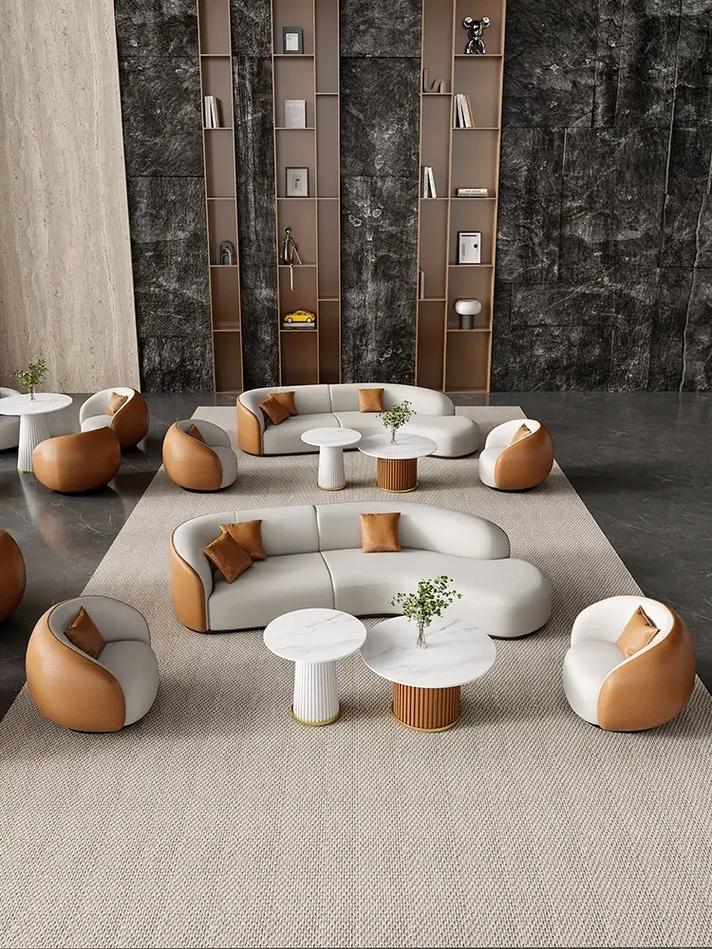
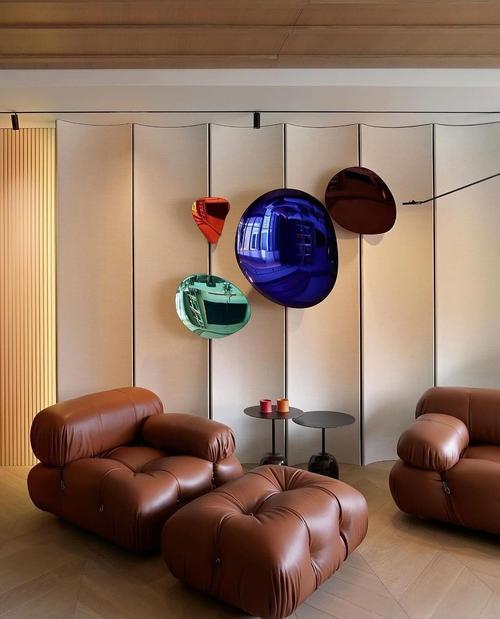
Sofa upholstery is one of the most important parts of furniture design. It directly affects appearance, seating comfort, durability, maintenance requirements, and overall furniture quality.
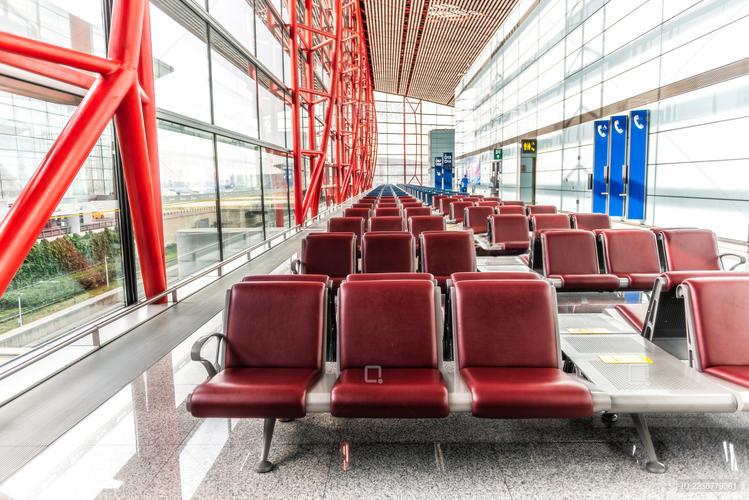
Whether for residential furniture, commercial seating, hotel lounges, restaurant booths, office sofas, or public waiting areas, selecting the right upholstery material helps improve furniture lifespan and user experience.
1. Why Sofa Upholstery Selection Matters
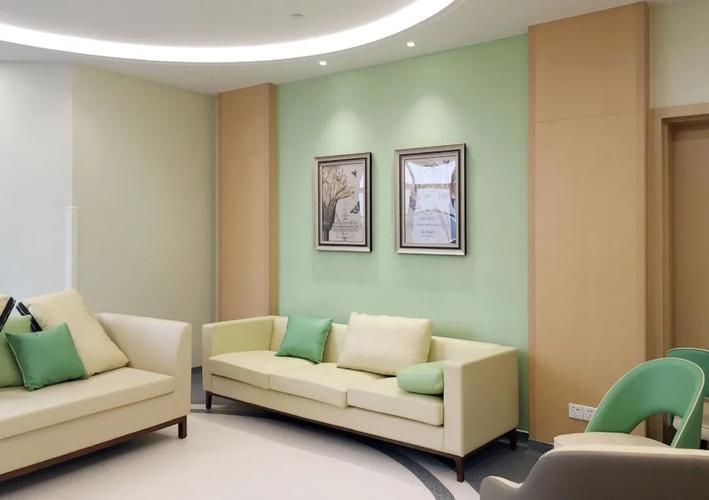
Different furniture applications require different upholstery performance levels. A family sofa may focus on comfort and easy cleaning, while commercial furniture may prioritize abrasion resistance, waterproof performance, and long-term durability.
Upholstery selection also influences furniture style, texture, maintenance difficulty, and production cost. This is why furniture manufacturers often evaluate upholstery materials very carefully during product development.
2. Residential vs Commercial Sofa Upholstery
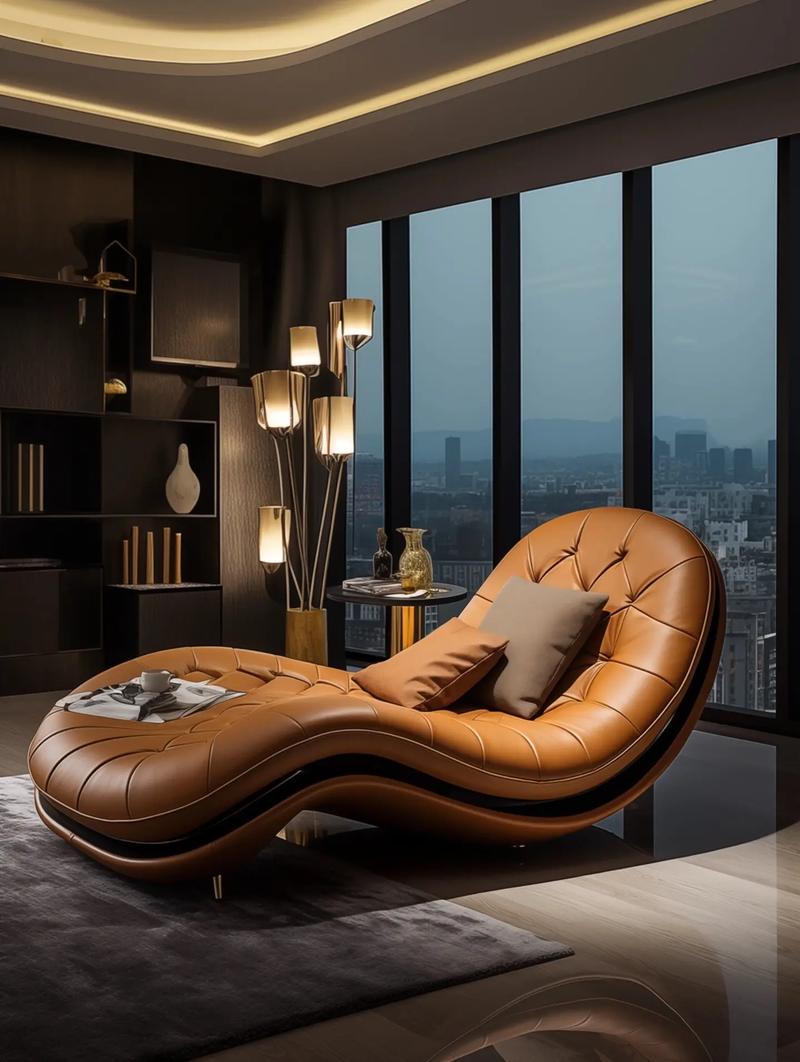
Upholstery selection should match the actual furniture environment. Residential and commercial seating often have very different performance requirements.
| Furniture Application | Main Upholstery Priorities | Common Material Choices |
|---|---|---|
| Residential Family Sofa | Comfort, easy cleaning, pet friendliness | PU leather, woven fabric, microfiber |
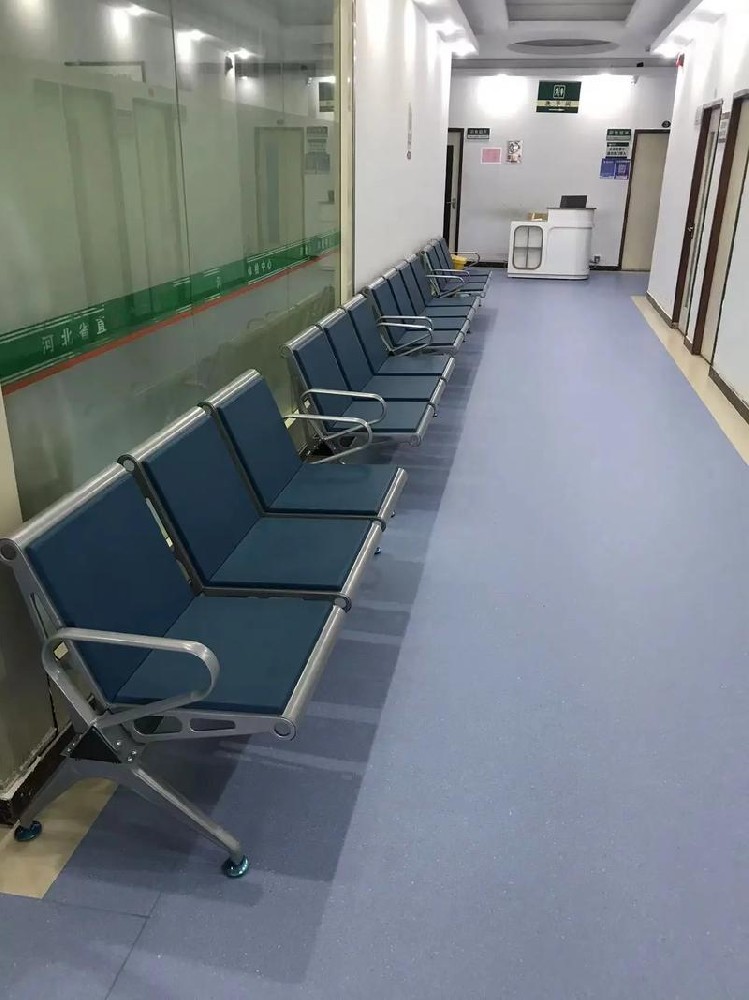
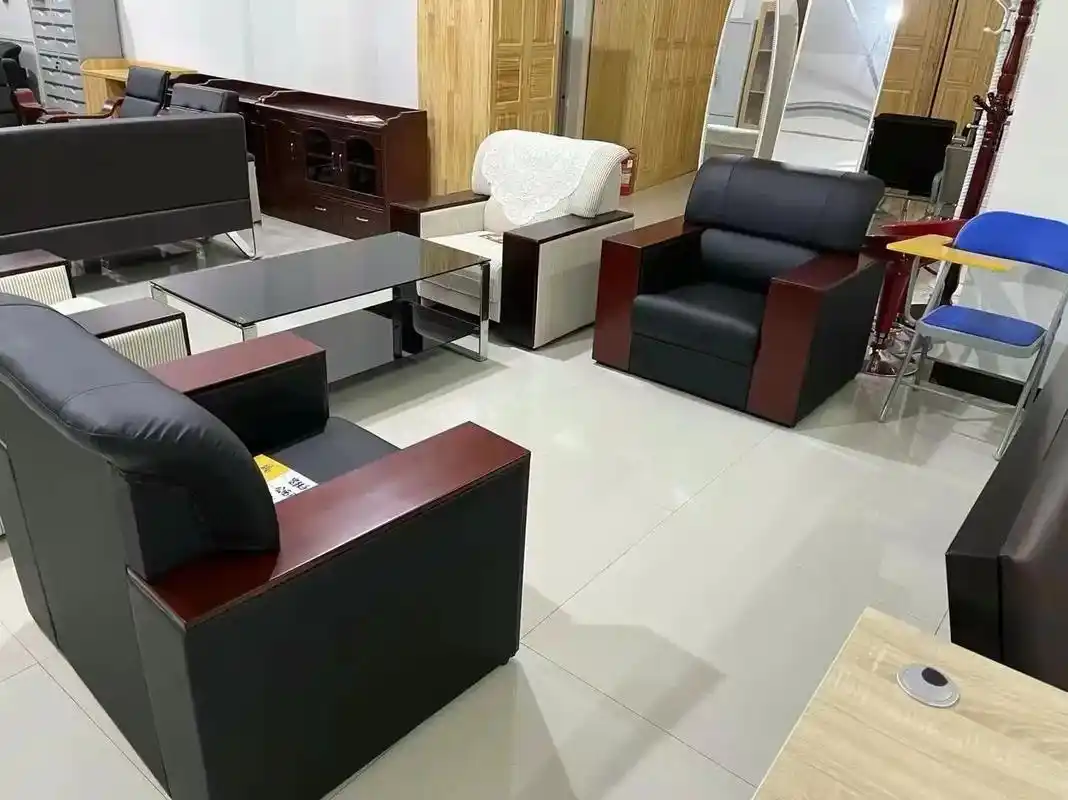
| Commercial Office Sofa | Abrasion resistance, easy maintenance | Commercial PU upholstery, vinyl |
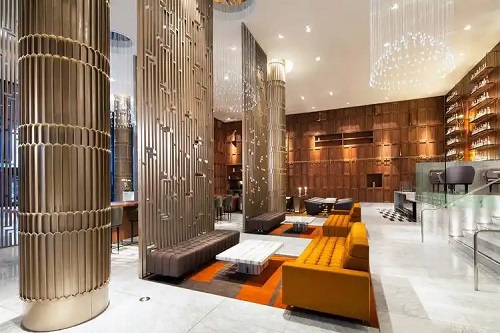
| Hotel Lobby Furniture | Luxury appearance, durability, stain resistance | Silicone leather, premium PU upholstery |
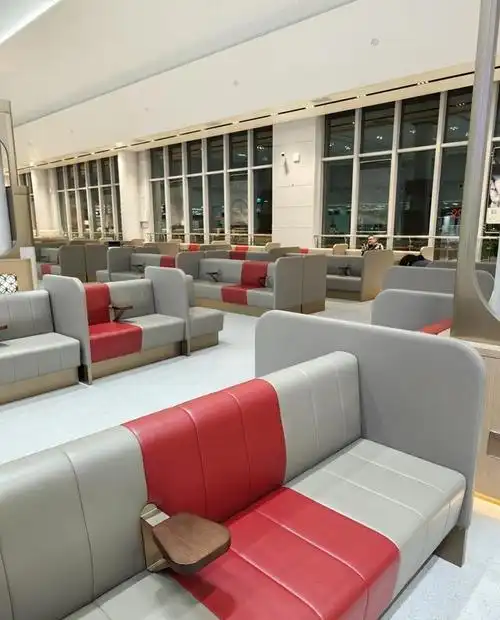
| Restaurant Booth Seating | Waterproof performance, easy cleaning | Vinyl upholstery, waterproof PU leather |
3. Common Sofa Upholstery Materials
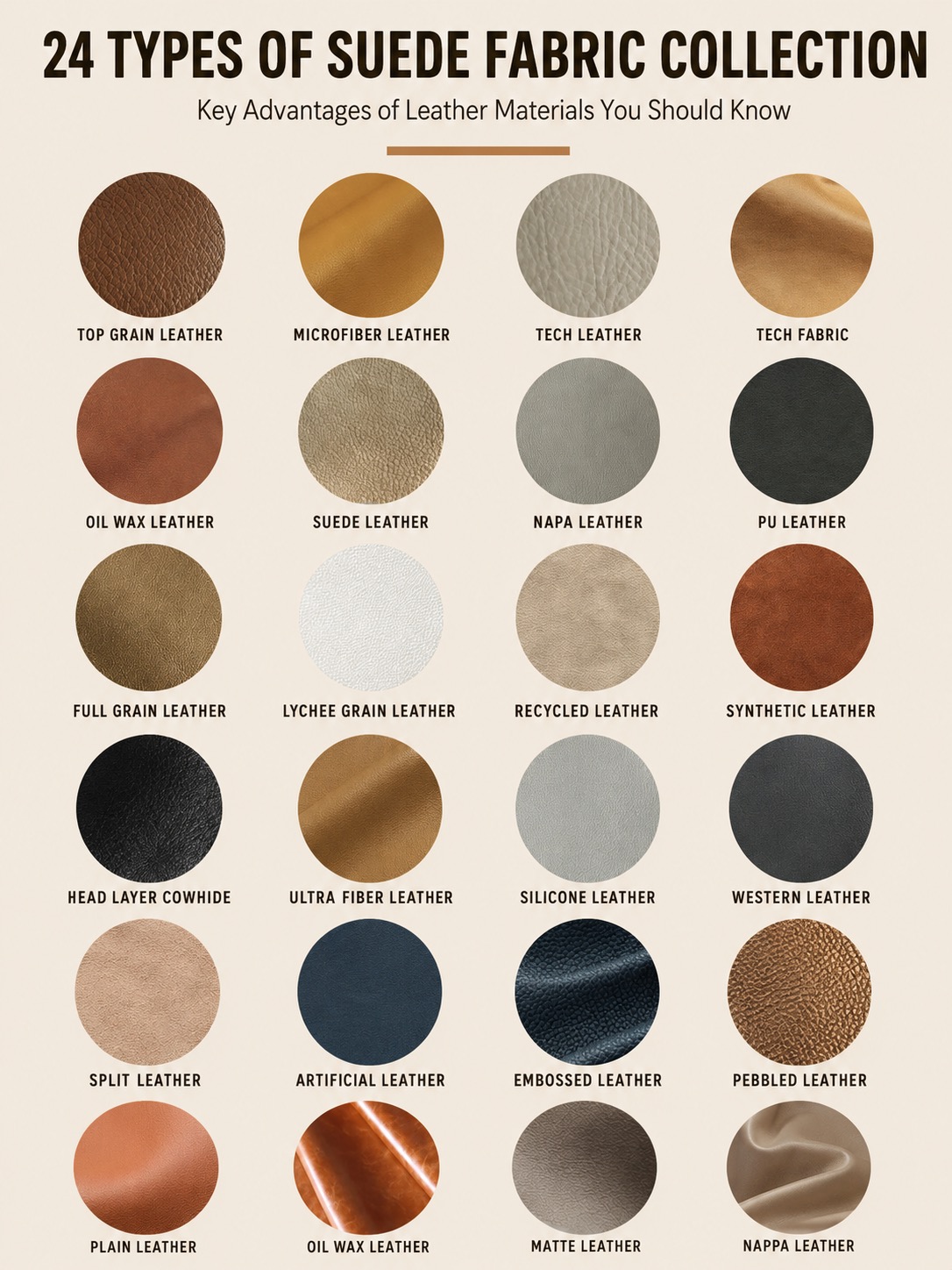
Modern furniture uses many types of upholstery materials. Each material offers different appearance, touch, maintenance characteristics, and durability levels.
PU Leather Upholstery
PU leather is widely used in modern furniture because it combines leather-like appearance, soft touch, and relatively easy maintenance. It is commonly used in sofas, commercial seating, hospitality furniture, and restaurant booths.
Silicone Upholstery
Silicone upholstery is increasingly used in premium furniture because of its strong stain resistance, easy-clean performance, hydrolysis resistance, and long-term durability.
Fabric Upholstery
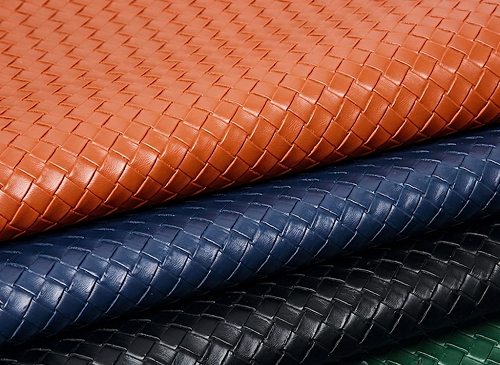
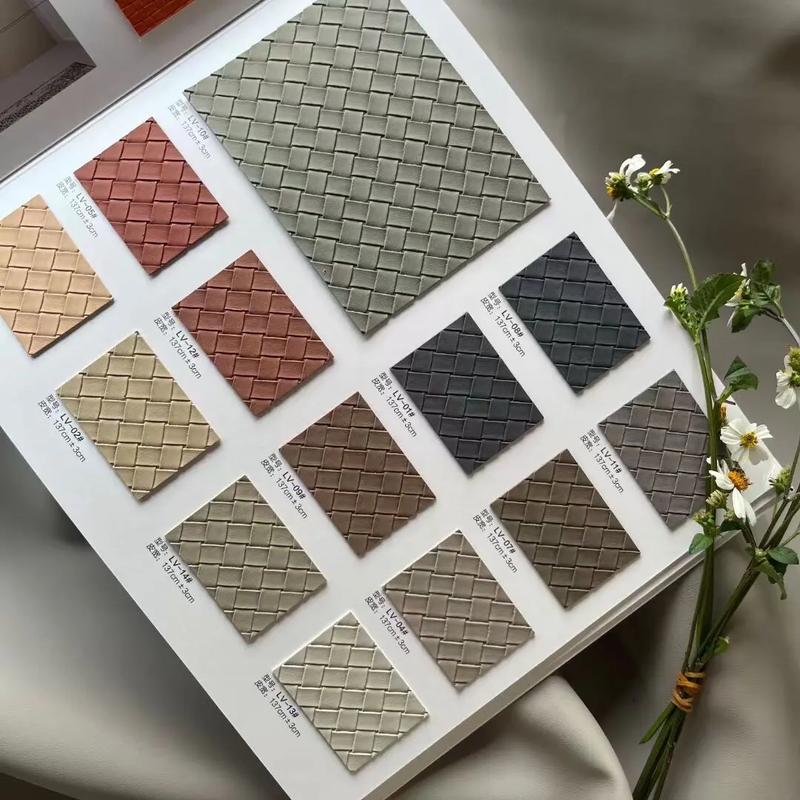
Fabric upholstery offers a softer textile feeling and wide design flexibility. Different woven textures can create modern, Scandinavian, luxury, or hospitality furniture styles.
4. Key Upholstery Performance Factors
Furniture brands and upholstery buyers often evaluate materials based on practical performance rather than appearance alone.
Abrasion resistance for high-traffic seating
Easy-clean performance for family and commercial use
Waterproof protection for restaurant or hospitality furniture
Pet-friendly scratch resistance
Hydrolysis resistance for humid environments
Soft seating comfort and surface flexibility
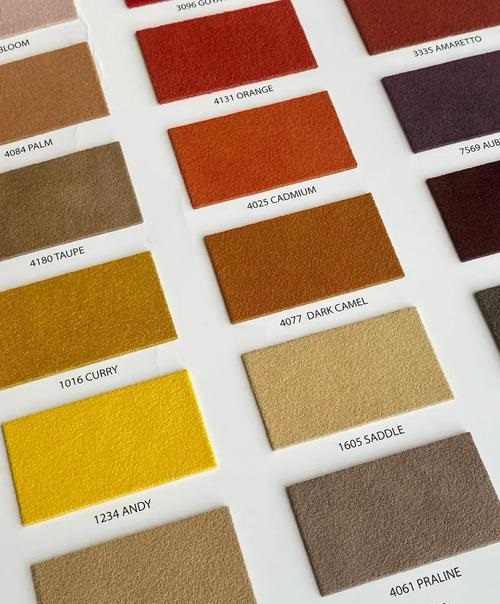
Color consistency for mass furniture production
5. Texture and Style Selection
Upholstery texture affects both furniture appearance and market positioning. Furniture manufacturers often choose different textures depending on customer preferences and furniture style.
| Upholstery Texture | Common Furniture Style |
|---|---|
| Smooth leather texture | Modern and minimalist furniture |
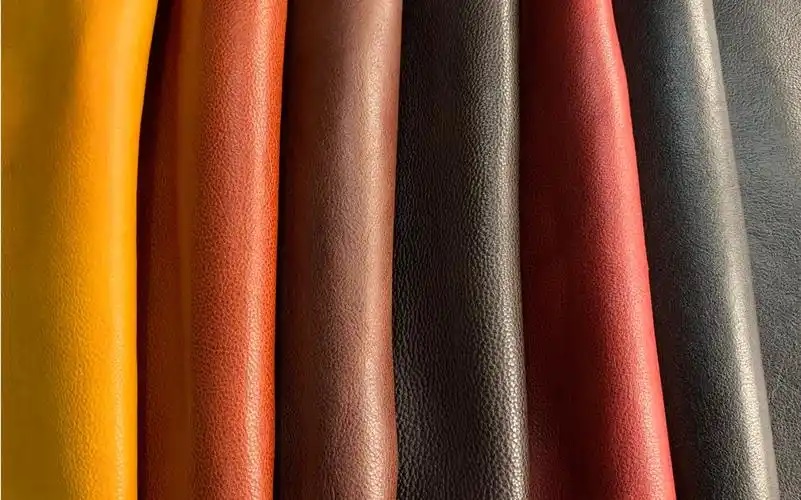
| Lychee grain texture | Commercial and hospitality furniture |
| Woven upholstery texture | Scandinavian and modern furniture |
| Oil wax style texture | Vintage and luxury furniture |
6. How Furniture Factories Choose Upholstery
Furniture manufacturers usually evaluate upholstery materials based on product positioning, customer requirements, production efficiency, and long-term performance.
For example, commercial furniture factories often prioritize abrasion resistance and maintenance performance, while residential sofa brands may focus more on softness, texture, and color matching.
Upholstery suppliers must also support stable color consistency, reliable delivery, and flexible customization for large-scale furniture production.
7. Frequently Asked Questions
Q: What is the best upholstery material for sofas?
The best upholstery depends on the furniture application, durability requirements, maintenance expectations, and style preference.
Q: Is PU leather good for sofas?
Yes. PU leather is widely used for residential and commercial sofas because it offers leather-like appearance, comfortable touch, and relatively easy maintenance.
Q: Which upholstery material is best for commercial furniture?
Commercial furniture often uses durable PU upholstery, silicone leather, or vinyl materials with stronger abrasion resistance and easier maintenance performance.
Q: What upholstery is easiest to clean?
Waterproof PU leather, silicone upholstery, and certain coated commercial upholstery materials are commonly selected for easier cleaning performance.
Related Upholstery Guides
Explore Upholstery Materials for Furniture Projects
Yizen Leather supplies upholstery materials for residential furniture, commercial seating, restaurant booths, hotel furniture, office sofas, and public space seating. We support PU leather, silicone upholstery, vinyl materials, woven textures, and customized furniture upholstery solutions.
Related Upholstery Leather Guides