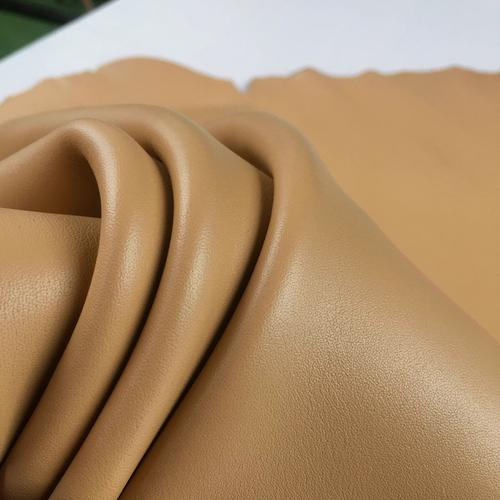
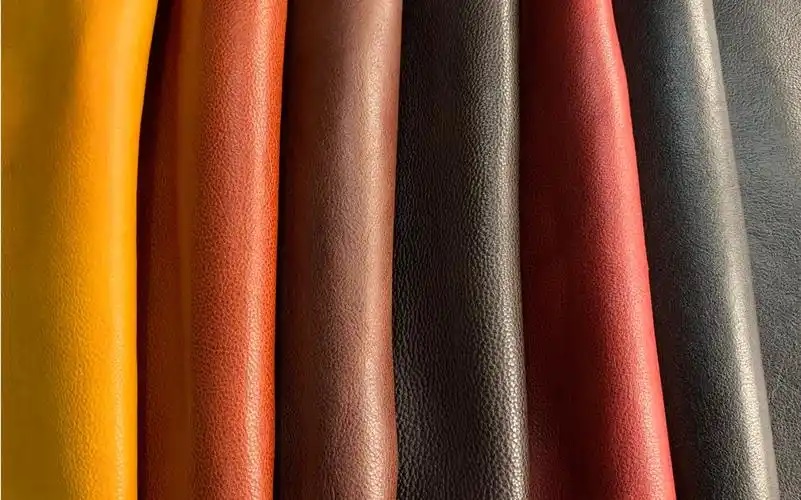
Medical Upholstery Leather: Healthcare & Hospital Seating Materials
Explore Related Upholstery Topics
Furniture Leather Waterproof Upholstery Silicone vs PU Restaurant Upholstery Medical UpholsteryMedical Upholstery Leather: Best Healthcare Seating Materials for Hospitals and Clinics
Medical upholstery leather has become one of the most important material categories in modern healthcare furniture because hospitals, clinics, laboratories, and medical waiting areas require seating materials engineered for hygiene, durability, chemical resistance, and long-term safety.
Unlike residential furniture, healthcare seating environments experience continuous sanitization, aggressive disinfectant exposure, heavy public traffic, and strict hygiene standards. As a result, medical upholstery materials must provide antibacterial protection, waterproof performance, easy-clean surfaces, and strong resistance to chemical degradation.
This guide explains how medical upholstery leather works, compares healthcare seating materials, and helps hospital furniture manufacturers and commercial buyers select the best upholstery solutions for modern healthcare environments.
1. Why Medical Upholstery Leather Matters
Healthcare seating environments place significantly higher demands on upholstery materials compared with residential or general commercial furniture applications.
Medical upholstery materials must withstand:
- Continuous sanitization procedures
- Strong disinfectant chemicals
- Heavy patient traffic
- Strict hygiene standards
- Long operational hours
- Moisture and fluid exposure
- Frequent surface cleaning
- Long-term appearance retention
Poor healthcare upholstery selection can increase maintenance costs, reduce furniture lifespan, and negatively affect hygiene management in medical environments.
2. Key Challenges in Healthcare Seating
Healthcare furniture environments expose upholstery materials to unique operational and hygiene-related stresses.
- Chemical Disinfectants: Medical seating undergoes aggressive cleaning using alcohol-based and hospital-grade disinfectants.
- Continuous Sanitization: Healthcare furniture surfaces are cleaned repeatedly throughout daily operations.
- Fluid Resistance: Medical upholstery must resist moisture penetration and contamination.
- Heavy Public Traffic: Waiting rooms and hospital seating experience constant daily usage.
- Hygiene Standards: Healthcare environments require easy-clean surfaces with minimal contamination risk.
Modern healthcare upholstery technologies are engineered specifically to improve hygiene management, durability, and maintenance efficiency.
3. Best Medical Upholstery Materials
Silicone Leather
Silicone leather has become one of the fastest-growing upholstery materials in healthcare furniture because of its outstanding chemical resistance, waterproof structure, and easy-clean surface technology.
Compared with traditional polyurethane materials, silicone leather technologies provide stronger resistance against alcohol disinfectants, medical cleaning agents, stains, and long-term hydrolysis degradation.
Advantages:
- Excellent chemical resistance
- Strong waterproof protection
- Easy-clean surface
- Superior hydrolysis resistance
- Long healthcare lifespan
Healthcare PVC Vinyl
Healthcare-grade PVC vinyl remains one of the most widely used medical seating materials because of its strong abrasion resistance, easy maintenance, and procurement efficiency.
For buyers comparing contract vinyl and polyurethane seating materials, see our PU vs PVC Leather Guide .
Medical PU Leather
Modern medical-grade PU upholstery leather provides balanced comfort, flexibility, and soft tactile performance for patient seating environments.
Premium polycarbonate PU systems are increasingly used in healthcare seating because of their improved hydrolysis resistance and durability.
Antibacterial Microfiber Leather
Antibacterial microfiber leather is commonly used in premium healthcare furniture because of its soft texture, high durability, and advanced hygiene performance.
4. Best Materials by Healthcare Application
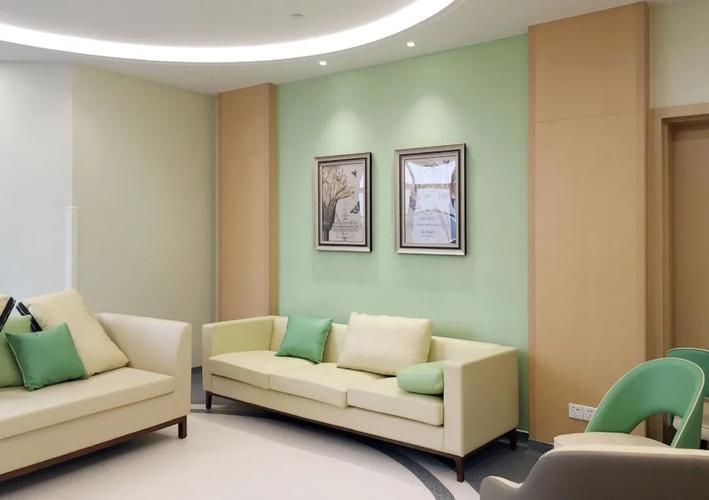
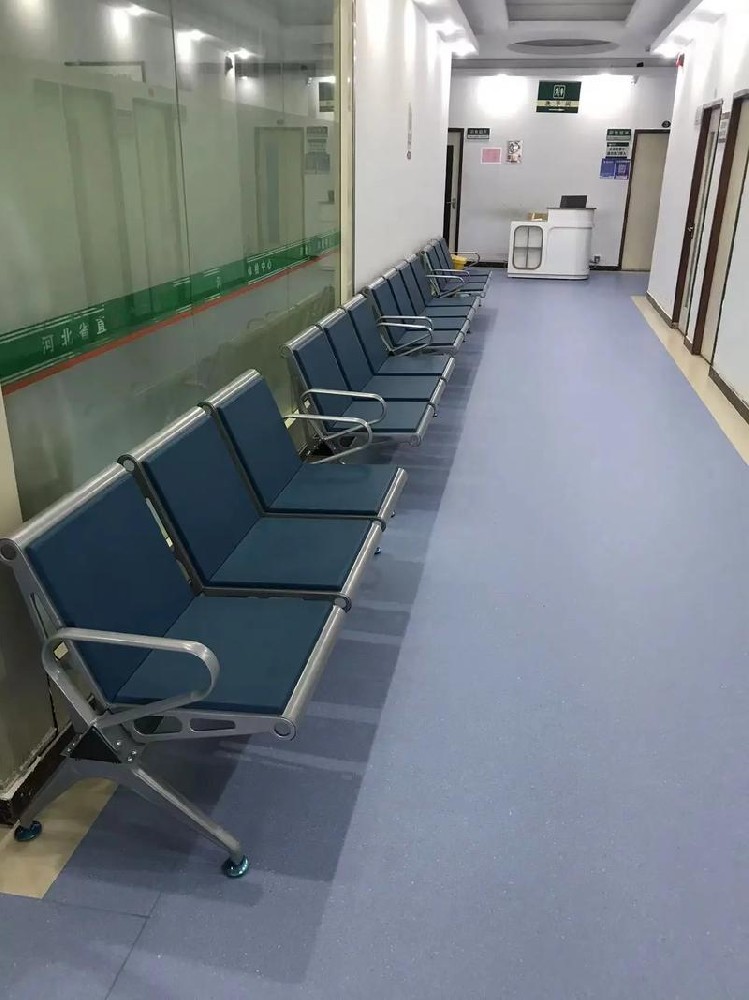
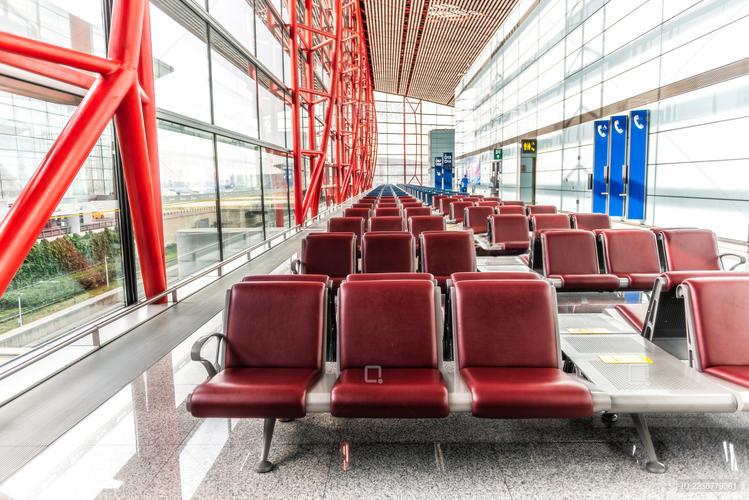
Hospital Waiting Room Seating
Hospital waiting areas require upholstery materials capable of handling continuous public traffic while maintaining hygiene and easy-clean performance.
Recommended materials:
- Healthcare PVC vinyl
- Silicone leather
- Antibacterial microfiber leather
Clinic Examination Seating
Medical examination furniture requires strong waterproof protection and resistance against disinfectant chemicals.
For projects requiring waterproof and easy-clean seating materials, see our Waterproof Upholstery Leather Guide and Easy Clean Sofa Leather Guide .
Medical Office & Staff Seating
Healthcare staff seating requires durable upholstery materials capable of handling continuous daily usage and repeated sanitization.
Recommended materials:
- Commercial PU leather
- Silicone leather
- Healthcare vinyl upholstery
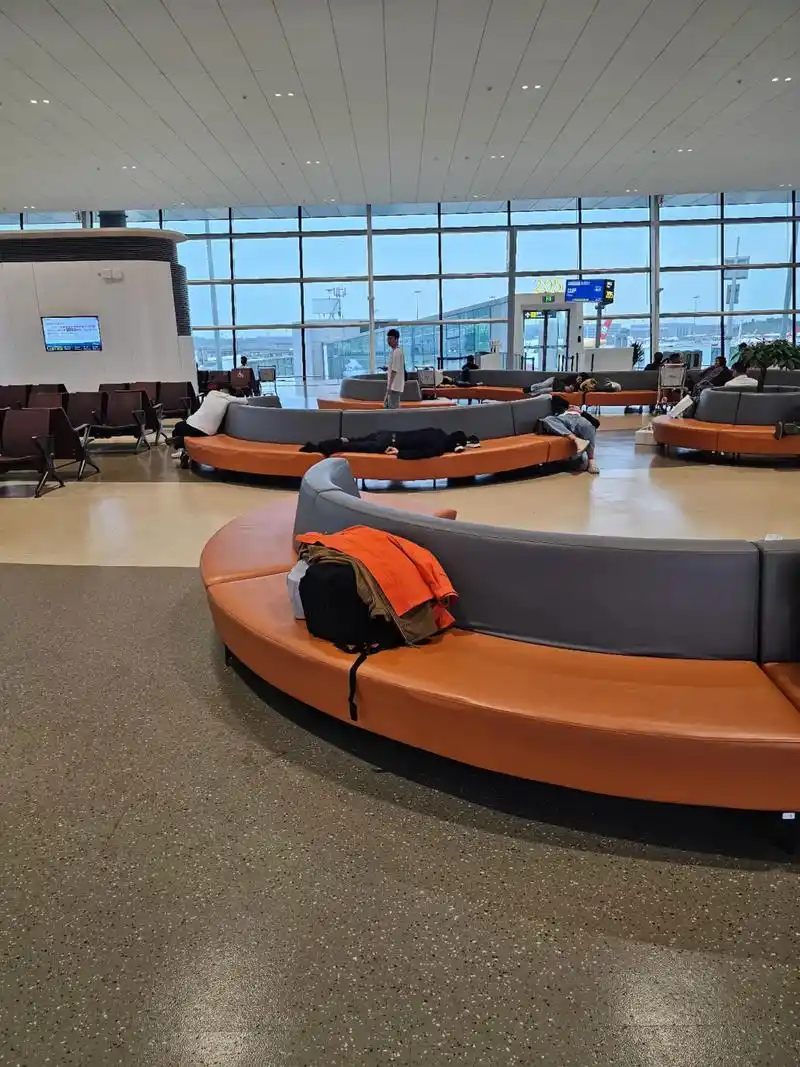
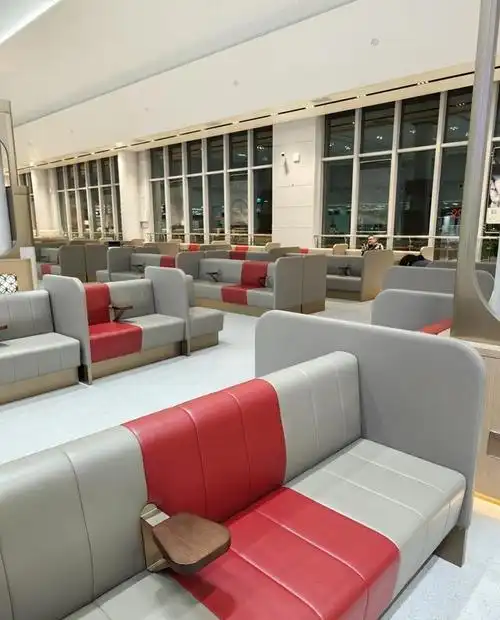
Public Healthcare Seating
Public healthcare environments require upholstery materials engineered for high abrasion resistance and long-term maintenance efficiency.
For projects focused on high-traffic commercial furniture, see our Commercial Upholstery Leather Guide and Hospitality Upholstery Leather Guide .
5. Healthcare Upholstery Technical Standards
Healthcare furniture projects rely heavily on technical testing and compliance standards to ensure long-term safety and durability.
- Chemical Resistance: Medical upholstery must resist alcohol-based disinfectants and healthcare cleaning agents.
- Martindale Abrasion: Healthcare seating often requires 50,000+ rub cycles for commercial durability.
- Hydrolysis Resistance: Medical upholstery materials must resist moisture-related polymer degradation.
- Antibacterial Performance: Healthcare environments increasingly prioritize antibacterial upholstery technologies.
- Flame Retardant Compliance: Many healthcare projects require CAL117, BS5852, or equivalent safety standards.
- Low VOC Standards: Healthcare furniture increasingly requires low-emission upholstery materials for indoor air quality.
6. Medical Upholstery Comparison Table
| Material | Chemical Resistance | Waterproof | Healthcare Use | Maintenance Efficiency |
|---|---|---|---|---|
| PU Leather | Good | Good | Clinic Seating | Good |
| Healthcare PVC Vinyl | Excellent | Excellent | Hospital Waiting Areas | Excellent |
| Silicone Leather | Excellent | Excellent | Premium Healthcare Seating | Excellent |
| Microfiber Leather | Good | Good | Luxury Healthcare Furniture | Good |
Explore Healthcare Upholstery Solutions
Yizen Leather supplies healthcare upholstery materials including antibacterial silicone leather, medical PVC vinyl, waterproof PU leather, and easy-clean seating systems engineered for hospitals, clinics, waiting rooms, and healthcare furniture projects.
Sofa-Leather/" style="display:inline-block;background-color:#2d6cdf;color:#ffffff;padding:12px 22px;border-radius:4px;text-decoration:none;font-size:0.95rem;font-weight:600;"> View Healthcare Upholstery Materials →7. Frequently Asked Questions
Q: What is the best upholstery material for hospitals?
Silicone leather and healthcare-grade PVC vinyl are widely used in hospitals because of their chemical resistance, waterproof protection, and easy-clean performance.
Q: Is silicone leather good for healthcare furniture?
Yes. Silicone leather provides excellent resistance against disinfectants, stains, moisture, and long-term hydrolysis degradation.
Q: What upholstery material is easiest to sanitize?
Healthcare PVC vinyl and silicone leather are among the easiest upholstery materials to sanitize and maintain in medical environments.
Q: What upholstery material lasts longest in healthcare seating?
Commercial healthcare vinyl and silicone leather generally provide the strongest long-term durability in high-traffic healthcare environments.
Related Commercial Upholstery Guides
- Commercial Upholstery Leather
- Hospitality Upholstery Leather
- Restaurant Booth Upholstery
- Office Seating Upholstery Leather
- Waiting Area Upholstery Material
Conclusion
Medical upholstery leather has become an essential category in modern healthcare furniture because hospitals and medical environments demand exceptional hygiene performance, chemical resistance, waterproof protection, and long-term durability.
Modern healthcare upholstery technologies such as silicone leather, healthcare PVC vinyl, antibacterial microfiber leather, and waterproof PU systems provide excellent solutions for hospitals, clinics, waiting areas, and medical seating applications.
As healthcare furniture markets continue prioritizing hygiene management, easy-clean performance, and chemical resistance, advanced synthetic upholstery leather technologies will continue becoming increasingly important in modern medical furniture manufacturing.
Related Upholstery Leather Guides