Medical Upholstery Standards | Healthcare Seating Material Requirements
Explore Related Upholstery Topics
Furniture Leather Waterproof Upholstery Silicone vs PU Restaurant Upholstery Medical UpholsteryMedical Upholstery Standards: Healthcare Seating Material Requirements

Medical upholstery standards refer to the performance requirements, safety specifications, durability testing, and healthcare compatibility standards used for hospital seating, patient chairs, medical recliners, treatment room furniture, and healthcare public seating.
Modern healthcare upholstery materials must combine easy-clean surfaces, waterproof protection, abrasion resistance, disinfectant compatibility, flame retardancy, hydrolysis resistance, and long-term commercial durability.
1. What Are Medical Upholstery Standards?
Medical upholstery standards are used to evaluate whether healthcare seating materials are suitable for hospitals, clinics, behavioral healthcare environments, treatment rooms, waiting areas, dialysis recliners, chemotherapy chairs, and other healthcare furniture applications.
These standards may include durability testing, fire safety requirements, cleaning performance, moisture resistance, surface stability, and healthcare maintenance compatibility.
2. Why Healthcare Upholstery Standards Matter
-
Supports long-term healthcare furniture durability
-
Helps reduce cracking, peeling, and surface failure
-
Improves easy-clean and disinfectant-resistant performance
-
Supports hospital hygiene requirements
-
Improves project specification consistency
-
Supports commercial healthcare furniture procurement
Healthcare upholstery standards are closely connected with disinfectant resistant upholstery,abrasion resistant medical upholstery,hydrolysis resistant healthcare upholstery, andflame retardant healthcare upholstery.
3. Key Healthcare Upholstery Performance Standards
Abrasion Resistance
Healthcare seating experiences continuous daily use. Abrasion resistance testing helps evaluate whether upholstery materials can maintain durability under repeated public seating traffic.
Disinfectant Resistance
Hospitals and clinics frequently disinfect seating surfaces. Upholstery materials should maintain stable surface performance after repeated chemical cleaning.
Flame Retardancy
Commercial healthcare furniture projects may require upholstery materials that support flame retardant standards such as CA117, BS5852, or EN1021.
Hydrolysis Resistance
Healthcare upholstery materials should resist humidity-related degradation to reduce cracking, peeling, and premature surface failure.
4. Common Medical Upholstery Materials
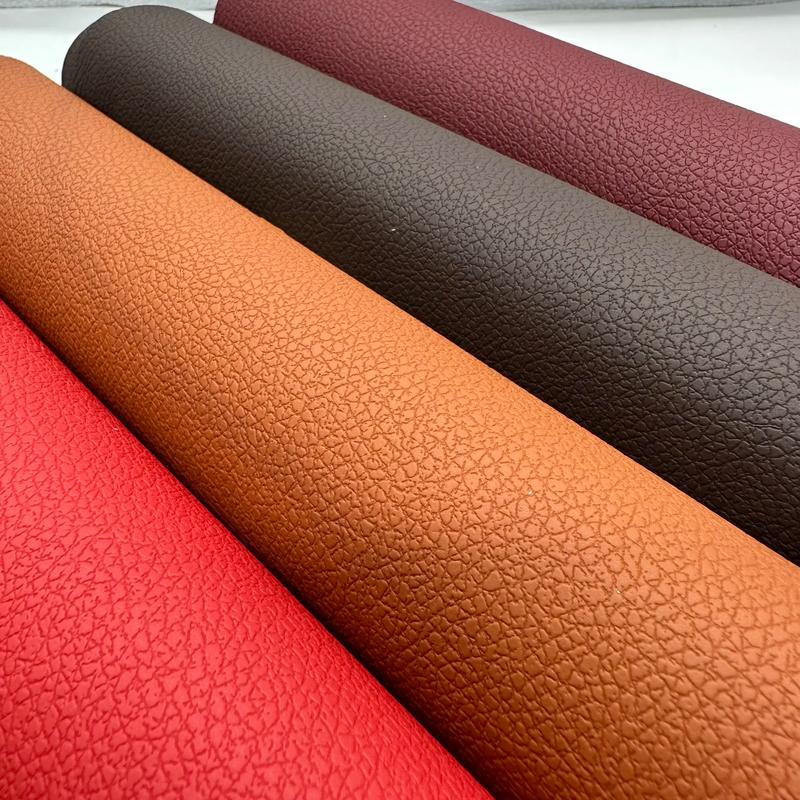
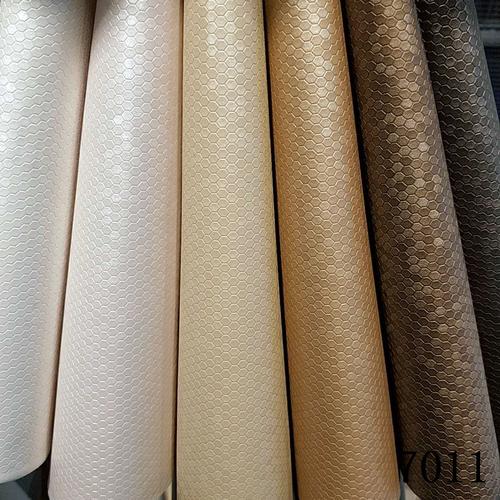
Healthcare PU Leather
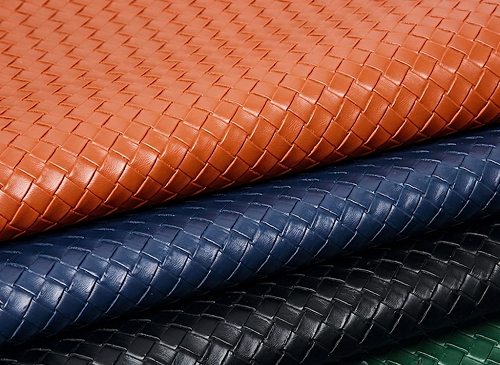
Healthcare PU leather is commonly used for patient seating, treatment chairs, recliners, waiting room furniture, and commercial healthcare upholstery projects because it balances softness, durability, and customization flexibility.
Silicone Healthcare Upholstery
Silicone upholstery materials are suitable for premium healthcare environments that require advanced disinfectant resistance, hydrolysis resistance, and long-term surface stability.
Healthcare Vinyl Upholstery
Healthcare vinyl upholstery is often selected for public medical seating where waterproof protection and practical maintenance are important.
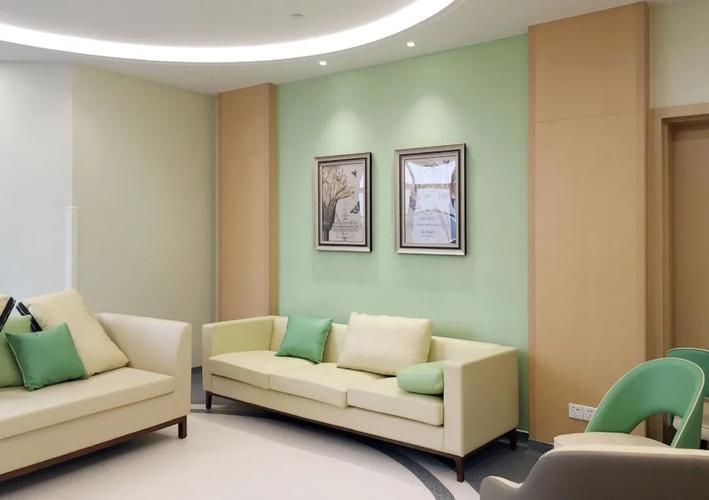
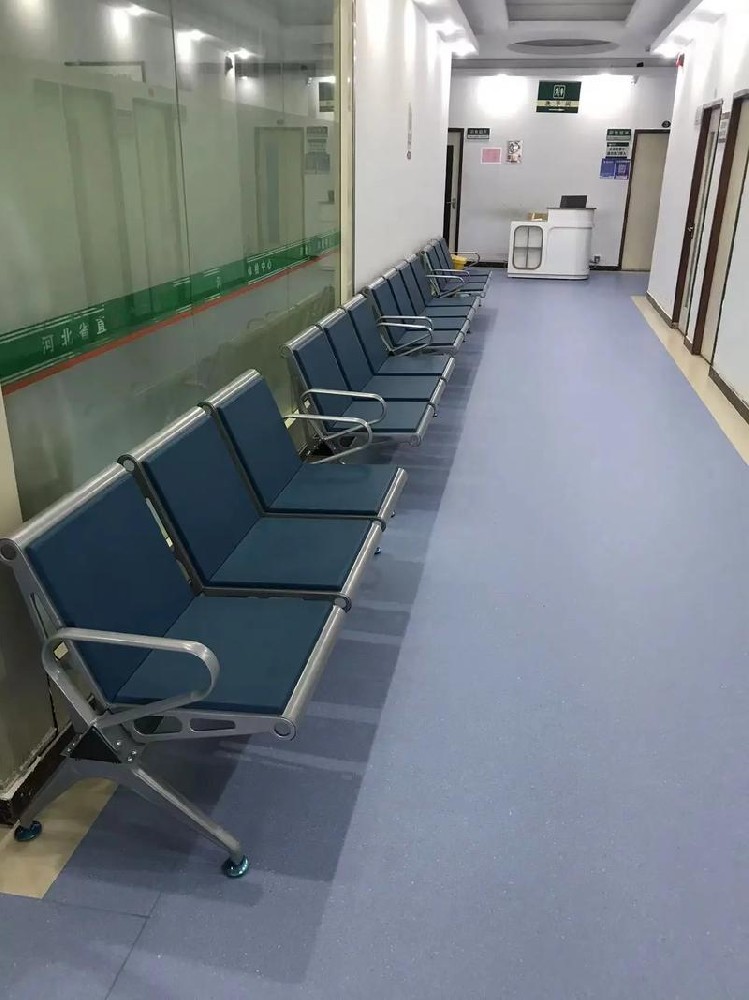
5. Healthcare Furniture Applications
-
Hospital waiting room seating
-
Behavioral healthcare furniture
-
Patient chairs and recliners
-
Dialysis and chemotherapy seating
-
Treatment room seating
-
Dental clinic seating
-
Healthcare lounge furniture
-
Public healthcare contract seating
6. Upholstery Testing & Specifications
| Performance Area | Healthcare Requirement |
|---|---|
| Abrasion Resistance | Supports long-term seating durability |
| Disinfectant Resistance | Supports repeated cleaning routines |
| Hydrolysis Resistance | Improves humidity-related durability |
| Flame Retardancy | Supports commercial healthcare safety specifications |
| Waterproof Performance | Helps protect upholstery surfaces |
| Easy-Clean Surface | Supports healthcare maintenance efficiency |
7. Frequently Asked Questions
Q: What are medical upholstery standards?
Medical upholstery standards refer to durability, safety, cleaning, and performance requirements used for healthcare seating and hospital furniture materials.
Q: Why is disinfectant resistance important?
Healthcare seating surfaces are cleaned frequently with disinfectants, so upholstery materials must maintain stable appearance and durability after repeated cleaning cycles.
Q: Which upholstery materials are commonly used in healthcare seating?
Healthcare PU leather, silicone upholstery, and healthcare vinyl are commonly used because they combine easy cleaning, waterproof performance, and commercial durability.
8. Related Healthcare Upholstery Guides
Explore Healthcare Upholstery Standards & Materials
Yizen Leather supplies healthcare PU leather, silicone upholstery, waterproof synthetic leather, and contract medical seating materials designed for hospitals, clinics, treatment rooms, patient seating, and healthcare furniture projects.
Request Healthcare Upholstery Samples →
Related Upholstery Leather Guides