Restaurant Booth Upholstery Cleaning and Durability Guide for Dining Spaces
Explore Related Upholstery Topics
Furniture Leather Waterproof Upholstery Silicone vs PU Restaurant Upholstery Medical UpholsteryRestaurant booth upholstery faces one of the toughest daily environments in commercial furniture. It has to deal with repeated sitting, food spills, drink stains, body oil, cleaning chemicals, and tight turnaround between guests. A good booth material should look attractive on opening day, but the real test is how it looks after months of service.
This guide focuses on practical selection points for restaurant owners, booth manufacturers, and project buyers who need upholstery that is easy to clean, durable, and suitable for dining spaces.
1. Start With the Cleaning Reality
Restaurant seating is cleaned more often than many other commercial furniture categories. The upholstery should handle routine wiping without losing color, cracking, or becoming sticky. For dining spaces that need a tougher wipe-clean surface, products such as Litchi Grain PVC Leather and Oily Vintage PVC Leather can be evaluated against the cleaning routine. Ask what cleaning method the restaurant team will use every day, then test the material against that routine before ordering.
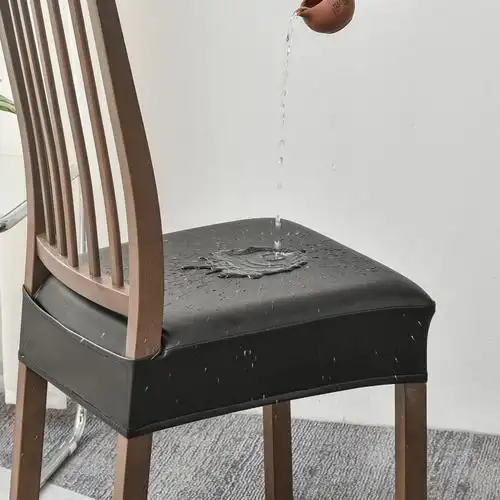
Materials for booth seating should resist common dining stains such as sauce, coffee, oil, juice, and alcohol-based spills. The surface does not need to be complicated, but it should be predictable: spills should stay on the surface long enough to be wiped away quickly.
2. Select Surface Texture Carefully
Heavy texture can hide minor wear, but it may trap dirt in the grain. Very smooth surfaces are easy to wipe, but they can show scratches or shine marks faster. For restaurant booth upholstery, a medium grain or lightly textured finish often gives a good balance between appearance and maintenance. Buyers can also compare the Furniture Sofa Leather product range when matching booth color, backing and surface texture.
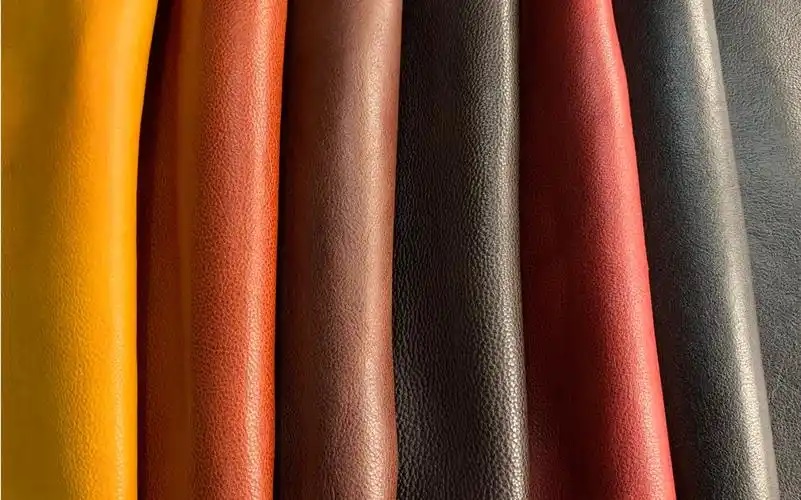
Color also affects maintenance. Deep brown, black, charcoal, burgundy, and warm tan are common because they fit many dining interiors and can hide light staining. Brighter colors are possible, but they should be tested carefully in high-turnover restaurants.
3. Do Not Ignore Seams and Corners
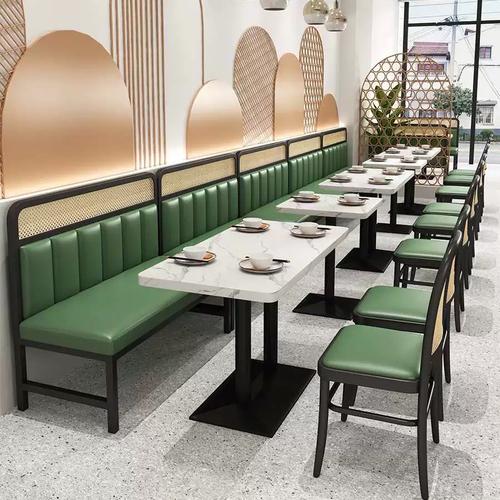
Even when the surface material is strong, booth seating can fail at seams, edges, and tight corners. The upholstery should hold stitching well and wrap cleanly around foam and wooden frames. If the booth design includes vertical channels, diamond stitching, or button details, test the actual sewing pattern before approving bulk material. For booths exposed to scratches and heavy daily use, 1.0mm Cat Scratch Resistant PVC Leather can be included in the sample comparison.
Restaurants with high seat turnover should avoid overly delicate decorative details in the most exposed areas. Simple panels can be easier to clean and repair than complex stitched layouts.
4. Consider Foam, Frame, and Ventilation
Upholstery performance is connected to the whole booth structure. Foam that collapses early can stretch the upholstery. Sharp frame edges can damage backing. Poor ventilation can trap moisture in some environments. Good booth construction helps the upholstery material perform as intended.
5. Compare Materials by Dining Use Case
| Dining Space | Recommended Focus |
|---|---|
| Fast casual restaurant | Fast cleaning, abrasion resistance, cost control. |
| Coffee shop booth | Comfort, stain resistance, warm color options. |
| Bar seating | Water resistance, darker colors, surface toughness. |
| Fine dining banquette | Soft hand feel, refined grain, controlled sheen. |
| Family restaurant | Easy wiping, scratch resistance, stable seams. |
6. Approval Checklist Before Production
Before bulk ordering restaurant booth upholstery, confirm roll width, color batch, cleaning instructions, flame requirements if applicable, expected delivery schedule, and trial upholstery result. If the booth supplier and material supplier review samples together, small issues can be caught before production begins.
Related Upholstery Leather Guides
FAQ
What upholstery is best for restaurant booths?
The best choice is usually an easy-clean commercial leather or synthetic leather with good abrasion resistance, stable backing, and a surface that can handle frequent wiping.
Should restaurant booth upholstery be waterproof?
Water resistance is strongly recommended for dining spaces. It helps reduce staining and makes daily cleaning easier, especially in cafés, bars, and family restaurants.
Related Upholstery Leather Guides