Waiting Area Upholstery Material | Durable Public Seating Guide
Explore Related Upholstery Topics
Furniture Leather Waterproof Upholstery Silicone vs PU Restaurant Upholstery Medical UpholsteryWaiting Area Upholstery Material | Durable Public Seating Guide
Introduction

Waiting Area Upholstery Material is a focused subtopic in the wider commercial upholstery leather category. Instead of treating the material as a general seating surface, this guide looks at the detailed buying conditions that matter in real commercial projects: traffic level, cleaning routine, cushion design, surface touch, color stability, maintenance responsibility and the way furniture will be produced in batches.
Yizen Leather manufactures synthetic leather for furniture factories, hospitality projects, healthcare seating, airports, public waiting areas and commercial interiors. From the manufacturer side, the right upholstery choice is not only about a beautiful swatch. It is about whether the material can be repeated in bulk, upholstered efficiently, cleaned realistically and supported after installation.
This article is written for B2B buyers who need more detail than a broad category overview. It can help purchasing teams, designers, project contractors and seating manufacturers prepare a clearer specification before requesting samples from Yizen Leather.
Buyers comparing this material can also review Commercial Upholstery Leather, Hospitality Upholstery Leather, Restaurant Booth Upholstery, Office Seating Upholstery Leather and Airport Seating Upholstery. For product-level decisions, Yizen Leather can discuss easy-clean upholstery leather, waterproof upholstery leather and hospitality seating leather.
What Is Waiting Area Upholstery Material
Waiting area upholstery material is commercial synthetic leather or coated upholstery selected for public seating zones where different users sit for short or medium periods throughout the day. It is designed for traffic, cleaning, appearance consistency and practical maintenance.
A professional specification normally includes surface construction, backing type, thickness range, roll width, color target, grain pattern, cleanability, abrasion expectation and any special project requirement such as waterproofing, antibacterial treatment or flame performance. When these details are missing, buyers often compare materials only by appearance, which can lead to wrong choices once the material is installed on real seating.

For manufacturers, waiting area upholstery material also needs stable behavior during cutting, sewing and upholstery. A material that looks good on a flat sample may stretch unevenly on a curved cushion or show stress marks on a tight edge. That is why Yizen Leather recommends testing sample material on the actual furniture structure before confirming bulk order.
Performance Requirements
The performance requirement should follow the use environment. A medical chair, airport lounge seat, cinema recliner and hotel lobby sofa may all use synthetic leather, but the best topcoat, backing and hand feel can be different. Buyers should define the expected service conditions before selecting color or grain.
- High turnover durability: Public seats receive repeated contact from many users each day.
- Easy stain removal: Waiting areas often face drinks, bags, body oils and daily dust.
- Neutral design flexibility: The material should support healthcare, office, airport and retail interiors.
- Edge performance: Seat fronts and armrests need resistance to early wear.
- Repeatable supply: Large waiting areas may need future replacement panels in the same color family.
Yizen Leather can support buyers by comparing sample options according to project priorities. If the project has frequent cleaning, stain resistance and waterproof behavior may be more important than an ultra-soft touch. If the project is a premium hospitality environment, color depth, hand feel and grain quality may carry more weight, while still maintaining commercial durability.

Application Scenarios
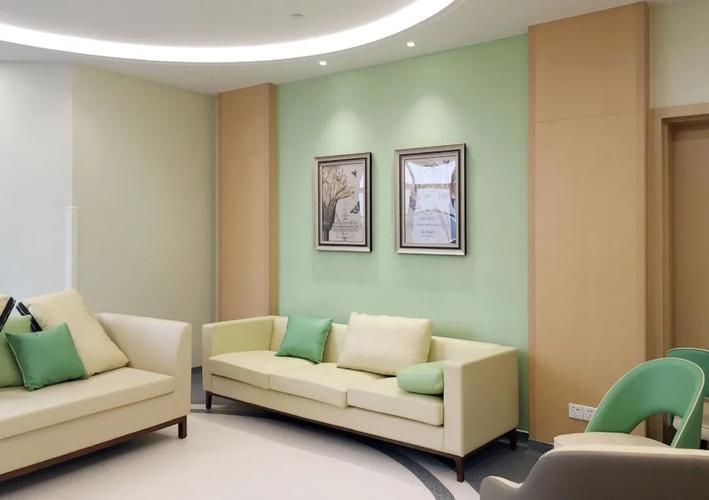
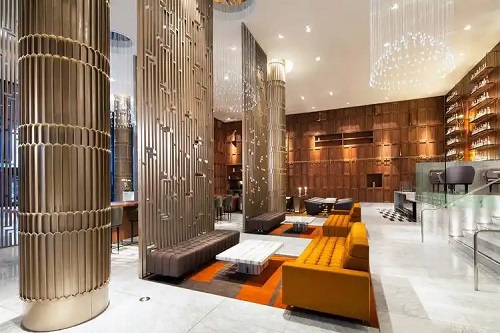
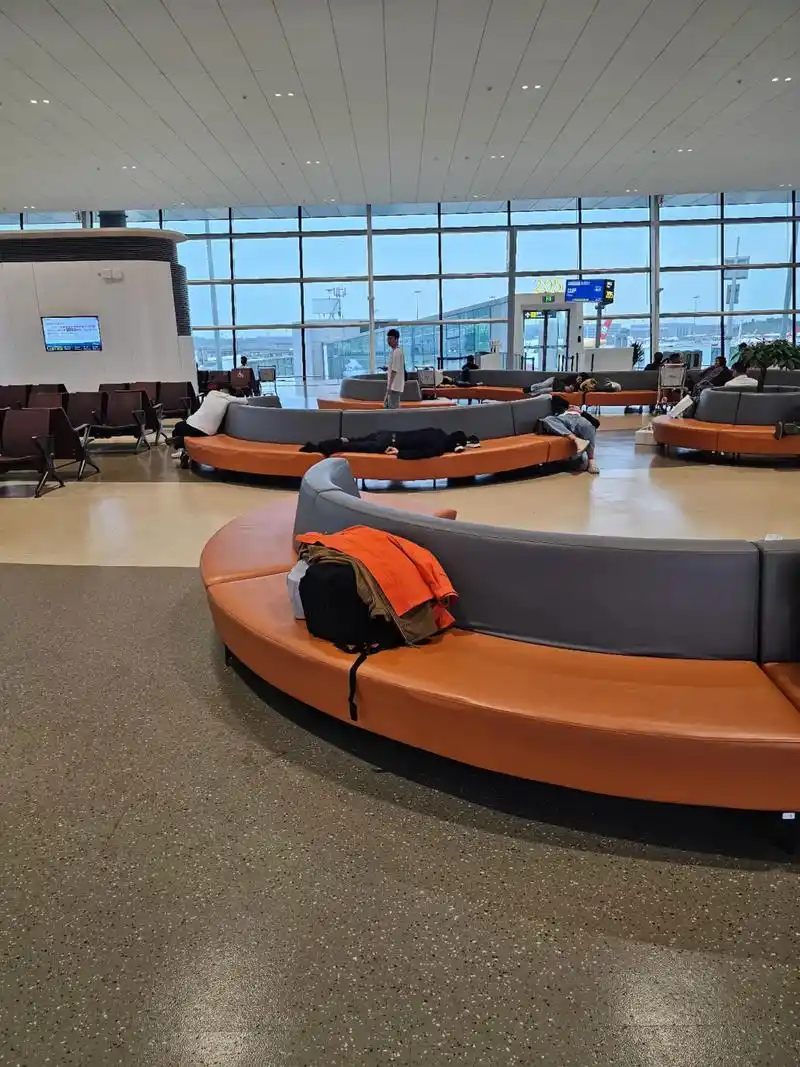
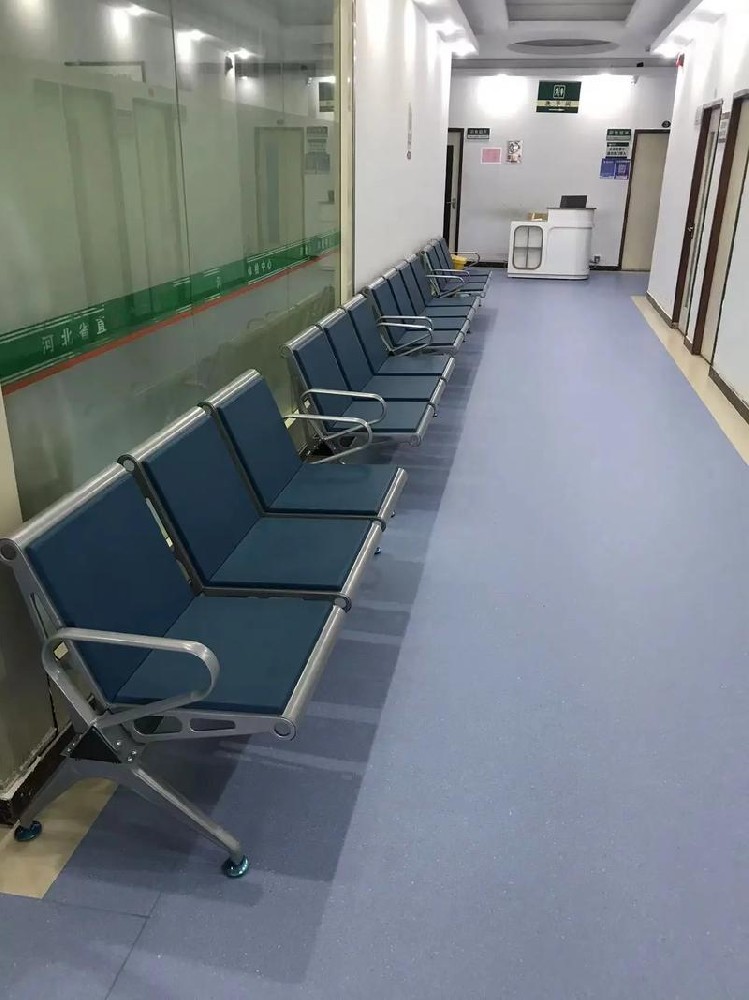
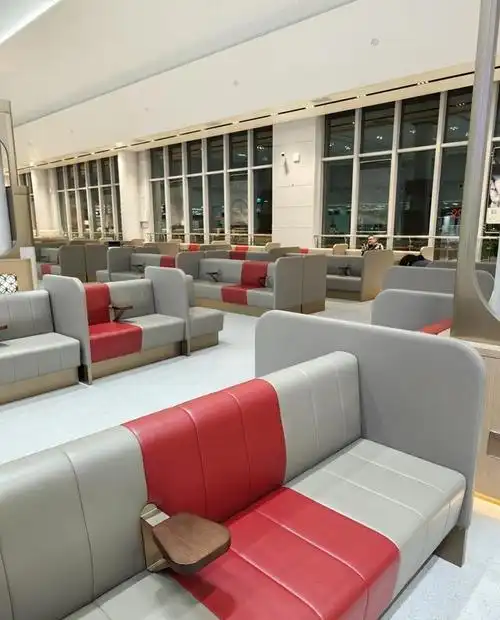
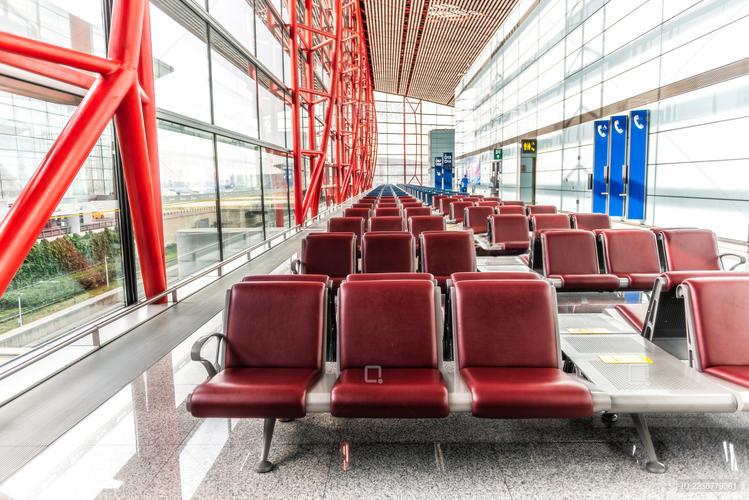
Waiting area upholstery material is used in hospitals, clinics, airports, office buildings, shopping malls, banks, government service centers, schools and reception areas. These zones often combine practical seating with brand presentation. A clinic waiting room may prioritize cleanability and calm colors, while an airport or mall may need stronger scuff resistance and fast maintenance.
In actual furniture production, application zones should be divided into high-contact and lower-contact areas. Seat fronts, armrests, headrests and cushion edges receive the most abrasion. Back panels and decorative sides may carry less load but still need visual consistency. A good specification protects the high-contact areas without wasting cost on over-specification where it is not needed.
Project teams should also consider future replacement. If the same property needs repair after one or two years, the material supplier should be able to provide repeatable color information or a close production match. This is one reason commercial buyers often prefer a manufacturer with stable batch control rather than a one-time decorative supplier.

Comparison Table
| Selection Factor | What Buyers Should Check | Why It Matters For Waiting Area Upholstery Material |
|---|---|---|
| Traffic level | Daily users and peak waiting time | Determines abrasion and topcoat needs |
| Cleaning routine | Water, detergent or disinfectant exposure | Prevents premature surface damage |
| Design tone | Neutral, branded or hospitality color | Supports the public interior concept |
| Foam protection | Waterproof surface and seam planning | Reduces contamination and odor risk |
| Replacement planning | Repeatable color and supplier records | Helps long-term maintenance |
This table is intended as a practical discussion tool between the buyer, furniture factory and material supplier. It helps convert design language into measurable purchasing questions. Before bulk production, buyers should request physical samples and, when possible, make a sample chair or sample cushion for approval.
Buying Guidance
Start with the service environment. Define who will use the seating, how often it will be cleaned, whether food, luggage, medical equipment or heavy traffic will touch the surface, and whether the furniture must communicate a premium, clinical, entertainment or public-service image. This step prevents a visually attractive material from being placed into a job it cannot handle.
Next, confirm upholstery construction. Ask the factory whether the material will be used on flat panels, tight curves, deep channels, reclining mechanisms, modular benches or stitched armrests. Backing stability and stretch direction are important for production efficiency. A stable material reduces waste and makes final furniture more consistent.
Finally, confirm procurement details: MOQ, sample timing, roll width, packing, color approval, lead time and repeat order support. A commercial seating project usually needs more than one delivery event, so the supplier’s ability to repeat color and document approved samples is valuable.

Buyers comparing this material can also review Commercial Upholstery Leather, Hospitality Upholstery Leather, Restaurant Booth Upholstery, Office Seating Upholstery Leather and Airport Seating Upholstery. For product-level decisions, Yizen Leather can discuss easy-clean upholstery leather, waterproof upholstery leather and hospitality seating leather.
Factory Specification Notes
For furniture manufacturers, waiting area upholstery material should be checked before cutting bulk material. Test the material on the tightest curve in the furniture design, the deepest seam, the most exposed edge and the most visible panel. These four points usually reveal whether the upholstery will behave well in production.
- Confirm roll width and calculate cutting yield before final pricing.
- Check whether the material marks, whitens or stretches on sharp corners.
- Review seam strength and needle performance on production machines.
- Keep one signed approved sample for color and grain comparison.
- Separate prototype approval from bulk shipment inspection.

These checks are especially important when the project involves multiple locations or repeat orders. A clear approval process helps protect both the buyer and the manufacturer, because every party can compare the delivered material with the same approved standard.
Frequently Asked Questions
What is the best material for public waiting chairs?
Commercial synthetic leather with abrasion resistance, easy cleaning and stable backing is usually practical for public waiting seating.
Should waiting area upholstery be waterproof?
Waterproof or moisture-resistant upholstery is recommended where spills and frequent cleaning are expected.
Can one material be used across multiple waiting areas?
Yes, but healthcare zones may need stronger cleaning resistance than office or retail waiting areas.
Request Waiting Area Upholstery Material Samples
Contact Yizen Leather for sample request, custom colors, project consultation and commercial upholstery solutions. Our team can help furniture manufacturers, contractors, architects and purchasing teams compare surface finish, backing strength, cleanability and delivery options before bulk production.
- Sample Request
- Custom Colors
- Project Consultation
- Commercial Upholstery Solutions
Contact Yizen Leather | wey@yizenleather.com | WhatsApp: 8613620853421
Related Upholstery Leather Guides