Waiting Area Upholstery Material | Durable Public Seating Guide
Explore Related Upholstery Topics
Furniture Leather Waterproof Upholstery Silicone vs PU Restaurant Upholstery Medical UpholsteryWaiting Area Upholstery Material | Durable Public Seating Guide
Introduction
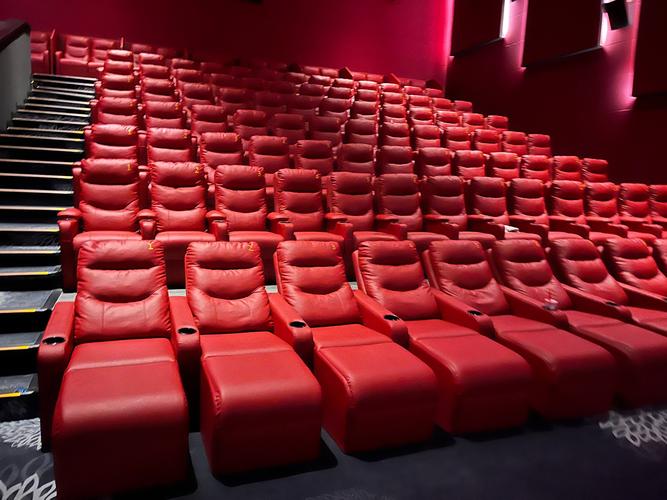
Waiting Area Upholstery Material is selected for projects where seating has to look professional while surviving constant contact, cleaning, body oils, abrasion and long operating hours. For a commercial buyer, the material is not only a surface finish. It affects maintenance cost, replacement cycles, warranty conversations, brand perception and user comfort.
Yizen Leather manufactures synthetic upholstery materials for commercial seating, healthcare furniture, hospitality interiors and public-area seating. From a manufacturer perspective, a good specification starts with the use environment: expected traffic, cleaning method, foam construction, color direction, fire performance, antibacterial or waterproof needs, and the way the furniture will be installed and maintained.
This guide explains how to evaluate waiting area upholstery material for B2B purchasing. It also connects the topic with relevant material categories such as Commercial Upholstery Leather, Hospitality Upholstery Leather and product-grade options like easy-clean sofa leather.
What Is Waiting Area Upholstery Material
Waiting Area Upholstery Material refers to synthetic leather or coated upholstery material engineered for repeated commercial use rather than occasional residential use. The surface may be PU, PVC, silicone-modified, microfiber-backed or a hybrid construction, depending on the required hand feel, durability and cleaning standard.
In procurement terms, the material should be reviewed by specification instead of appearance alone. Buyers should ask for abrasion results, hydrolysis resistance, color fastness, backing stability, roll width, thickness tolerance, lead time and sample availability. For projects that involve public seating, the upholstery must remain stable on curved cushions, stitched seams and high-contact edges.
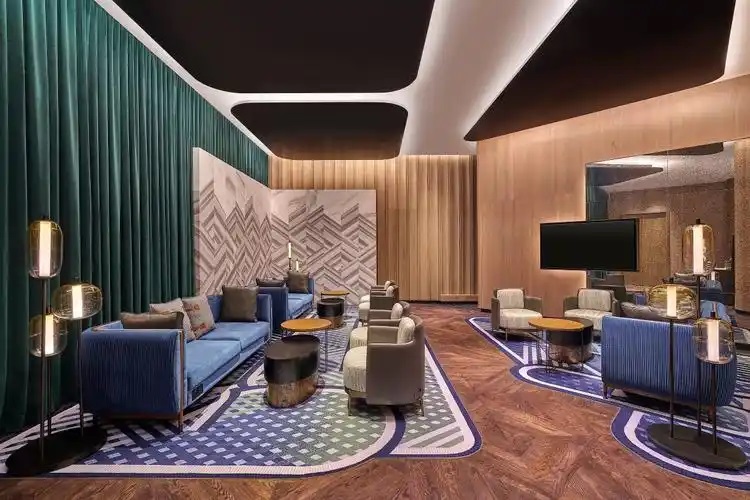
When compared with general decorative leather, commercial-grade material gives more attention to consistency. A single project may need many rolls across different production batches, so color matching and grain consistency matter. Yizen can support custom colors and embossing for designers, furniture makers and project contractors who need repeatable supply.
Key Features
The best material for waiting area upholstery material usually balances five areas: cleanability, abrasion resistance, comfort, dimensional stability and visual consistency. A very soft surface may feel premium but fail too quickly in a high-traffic environment. A very hard surface may resist scratches but feel uncomfortable or look too industrial. The right choice depends on the application and the expected maintenance routine.
- Easy cleaning: Smooth protective topcoat helps remove stains from daily use and supports frequent wiping.
- Durable surface: Commercial seating needs resistance to rubbing, scuffing and repeated pressure at edges.
- Waterproof protection: Moisture resistance is important for waiting areas, public lounges and high-turnover seating.
- Stable backing: Strong fabric backing helps reduce stretching, tearing and seam failure during upholstery.
- Color consistency: Project furniture often needs stable color across multiple batches and replacement orders.
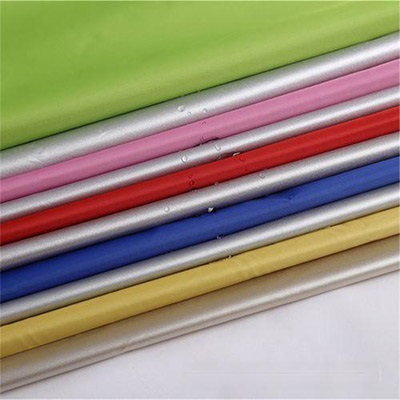
For buyers comparing material families, performance PU upholstery leather can be suitable when a softer hand feel is needed, while waterproof commercial upholstery leather is often chosen when cleaning and spill resistance are more important.
Application Scenarios
Waiting Area Upholstery Material is used wherever seating needs to support repeated public or professional use. The same material type may be applied to sofas, lounge chairs, modular benches, recliners, booth seating, public waiting chairs, headboards, wall panels or upholstered partitions. The final recommendation should follow the furniture structure and the service environment.
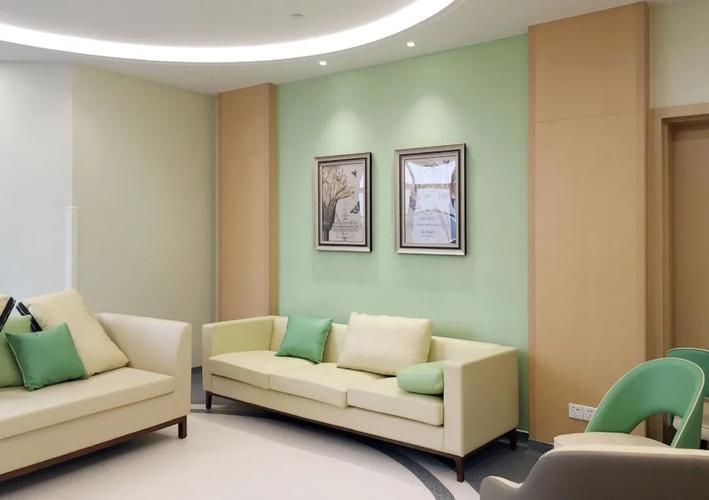
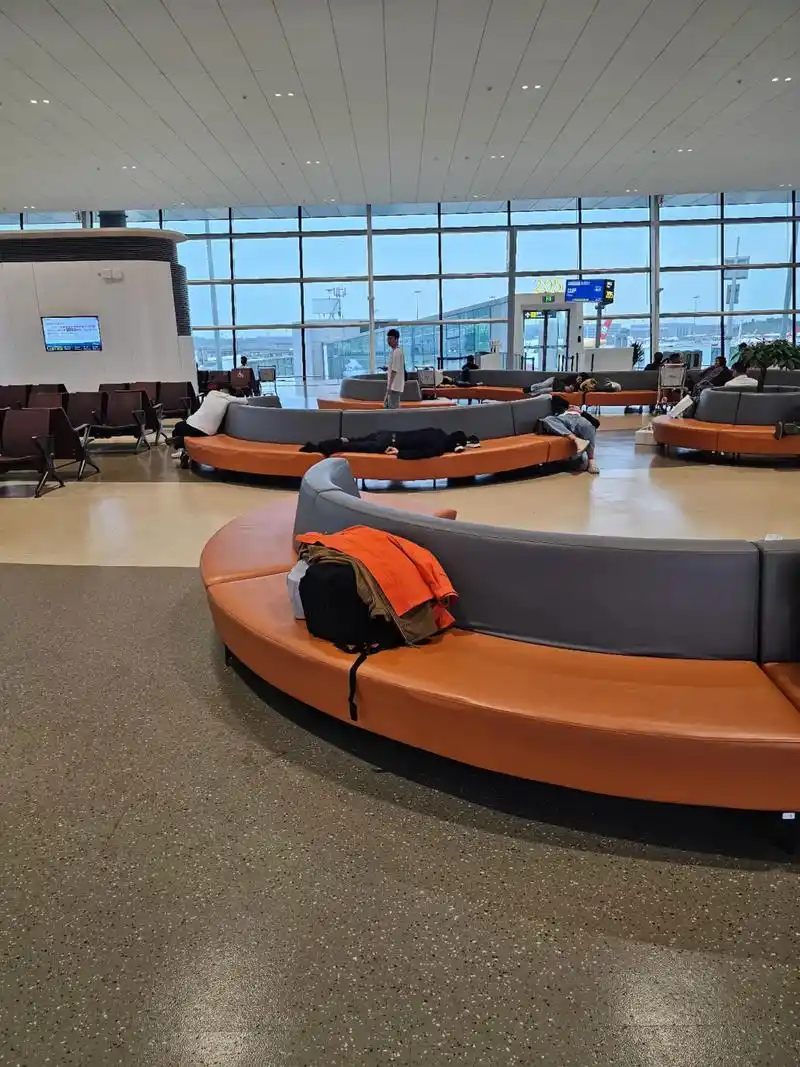
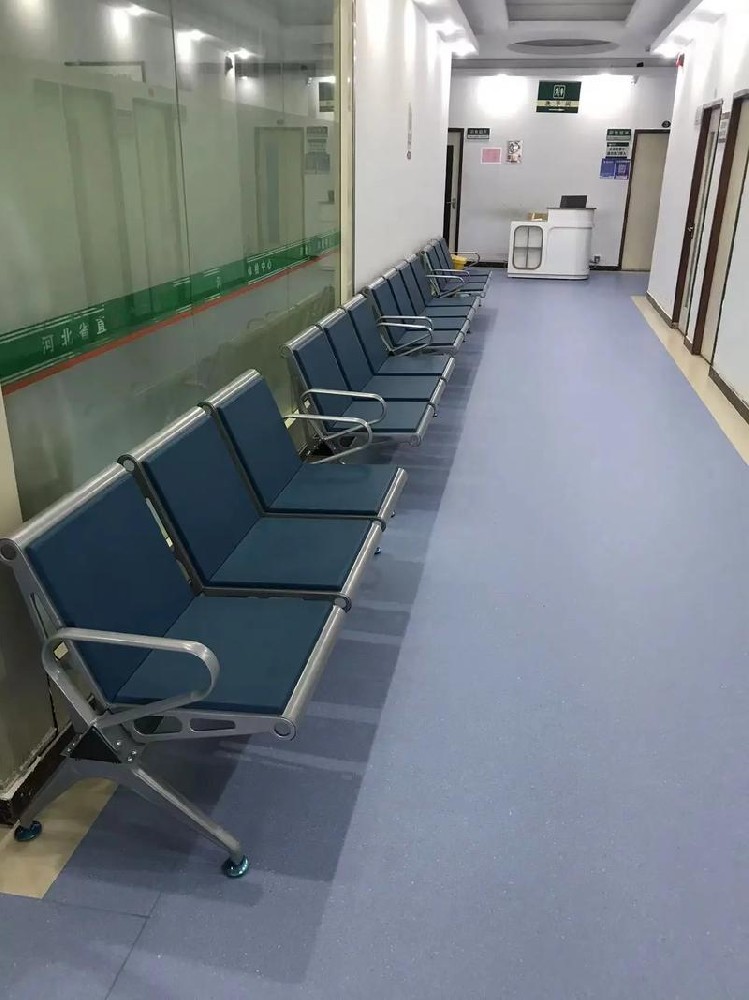
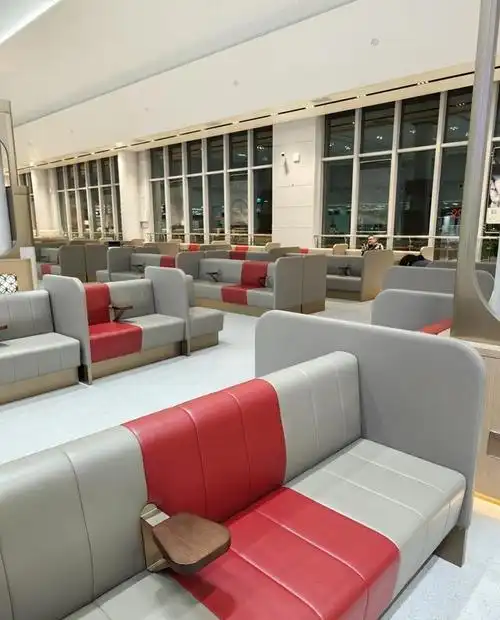
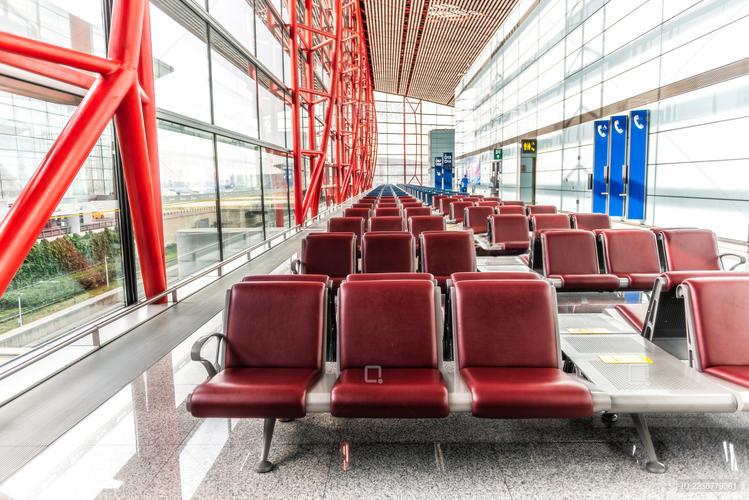
Waiting areas appear in hospitals, clinics, airports, office towers, schools, reception centers, government buildings and hotel lobbies. The seating often receives heavy traffic from different users, so the upholstery must resist scuffs, body oils, luggage abrasion and frequent cleaning.
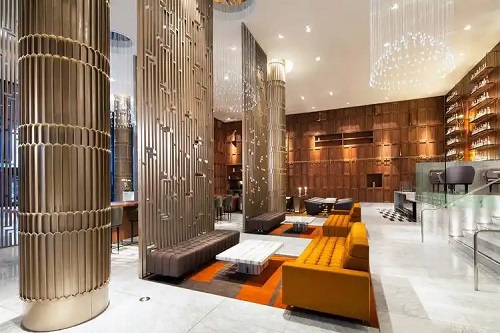
For projects that combine several zones, it is often useful to build a material map. For example, a healthcare facility may need antibacterial upholstery in treatment chairs, easy-clean material in waiting areas and a warmer hospitality-style texture in reception lounges. A hotel project may use one color family but different backing and topcoat specifications for lobby sofas, restaurant booths and office seating.
Comparison Table
| Buying Factor | What To Check | Why It Matters |
|---|---|---|
| Traffic level | Daily users, dwell time and peak crowding | Determines abrasion and topcoat needs |
| Cleaning routine | Water wipe, mild detergent or disinfectant schedule | Prevents surface damage from maintenance |
| Design tone | Neutral, hospitality or branded color direction | Keeps the public area consistent with the project |
| Foam protection | Waterproof surface and seam planning | Reduces foam contamination |
| Replacement planning | Repeatable color and reliable supply | Makes future repair easier |
Specification sheets should be read together with physical samples. Touch, stretch, crease recovery and appearance under project lighting can influence the final decision. For high-value orders, buyers should test the material on a real chair frame or sample cushion before bulk production.
How To Choose Waiting Area Upholstery Material
Start with the environment, not the color card. Identify who will use the seating, how often it will be cleaned, whether disinfectants or strong cleaners are used, and whether the furniture will be exposed to sunlight, food, drinks, luggage, uniforms, medical equipment or moving carts. This prevents a beautiful material from being placed in a job it was not designed for.
Second, confirm manufacturing details. Furniture factories should check cutting yield, roll width, backing thickness, seam performance and behavior on tight curves. Contractors should check delivery schedule, replacement availability and whether the supplier can keep batch records for future maintenance.
Third, match the article to nearby project categories. A buyer specifying airport lounges may also review Airport Seating Upholstery. A buyer specifying business seating may compare Office Seating Upholstery Leather. Restaurant or hospitality buyers can compare Restaurant Booth Upholstery and hospitality sofa leather.
Practical purchasing checklist
- Request physical samples in the target color and grain.
- Confirm abrasion, hydrolysis and cleaning performance requirements.
- Check MOQ, roll width, production lead time and color repeatability.
- Test upholstery on curves, seams and high-contact edges.
- Keep one approved sample as the reference for bulk production.
Frequently Asked Questions
What is the best upholstery for waiting room chairs?
A commercial synthetic leather with easy cleaning, abrasion resistance and stable backing is usually more practical than delicate decorative material.
Should waiting area material be waterproof?
For public seating, waterproof or water-resistant upholstery is strongly recommended because spills and cleaning are common.
Can one material be used across different waiting areas?
Yes, but the specification may vary by zone. Healthcare waiting rooms may need stronger cleaning resistance than a hotel reception lounge.
Request Waiting Area Upholstery Material Samples
Contact Yizen Leather for sample request, custom colors, project consultation and commercial upholstery solutions.
- Sample Request
- Custom Colors
- Project Consultation
- Healthcare and Commercial Upholstery Solutions
Contact Yizen Leather | wey@yizenleather.com | WhatsApp: 8613620853421
Related Upholstery Leather Guides