Waterproof Healthcare Seating Materials | Medical Upholstery Guide
Explore Related Upholstery Topics
Furniture Leather Waterproof Upholstery Silicone vs PU Restaurant Upholstery Medical UpholsteryWaterproof Healthcare Seating Materials | Medical Upholstery Guide
Quick Navigation
1. Why Waterproof Healthcare Seating Matters 2. Fluid Resistance in Medical Environments 3. Key Material Features 4. Common Waterproof Upholstery Materials 5. Healthcare Seating Applications 6. How to Choose Waterproof Medical Upholstery 7. Frequently Asked Questions 8. Related Healthcare Upholstery Guides
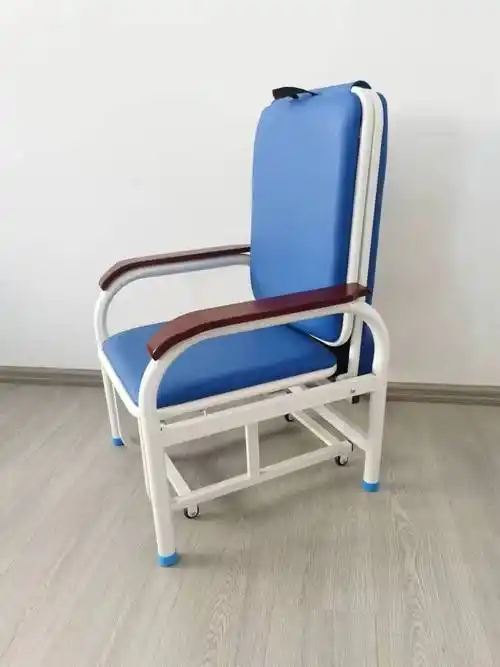
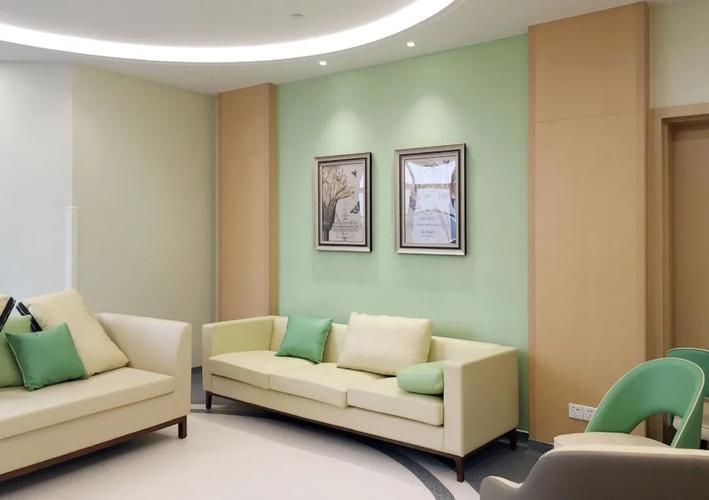
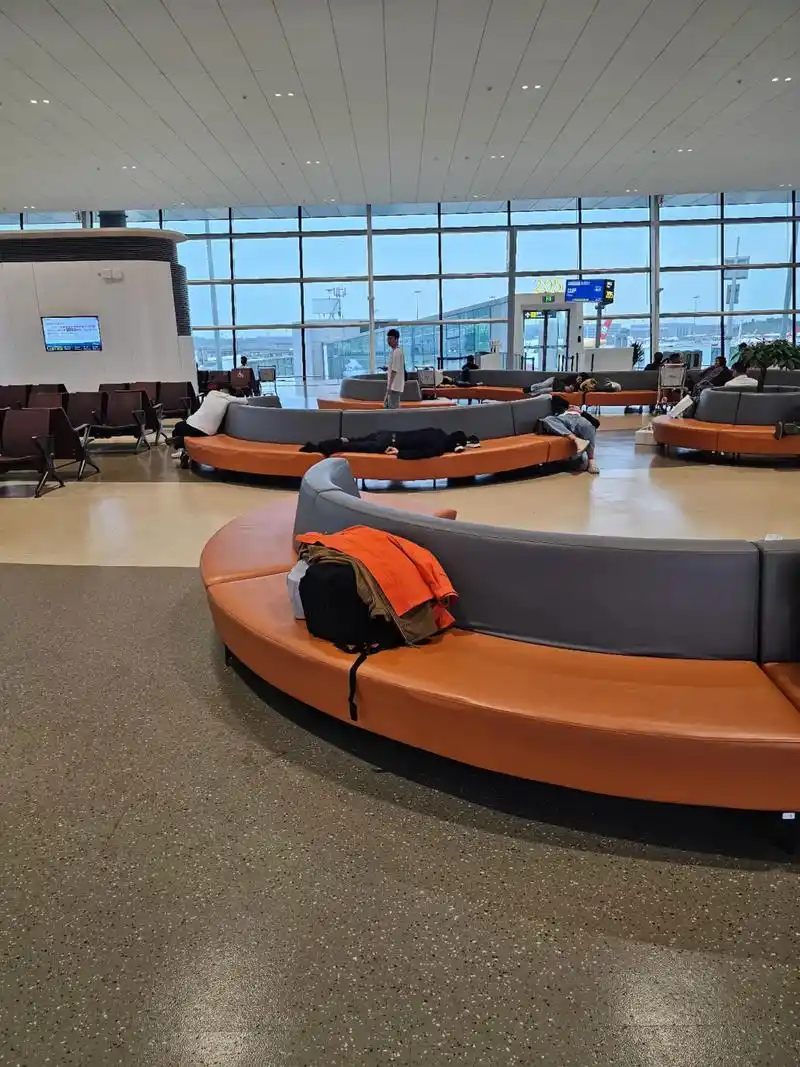
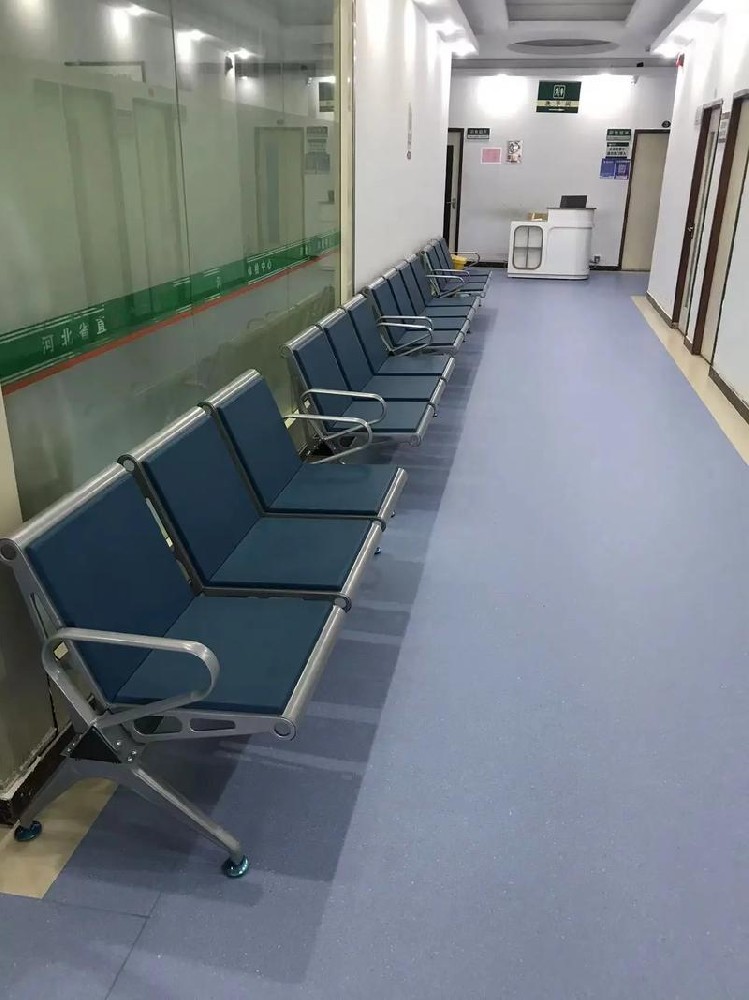
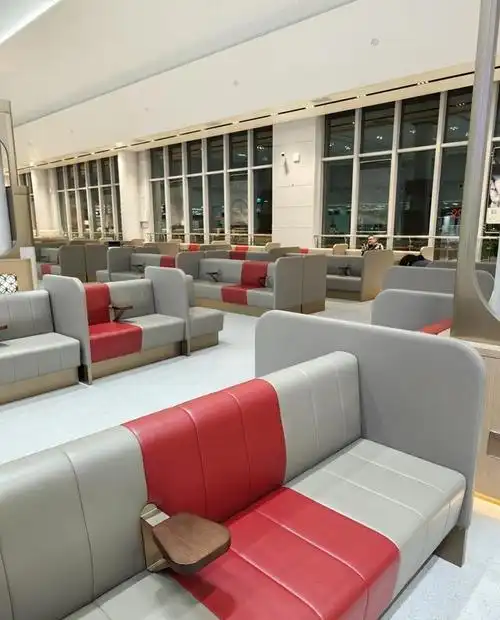
Healthcare seating is exposed to water, cleaning liquids, body fluids, disinfectants, spills, and repeated wiping. For hospitals, clinics, dental rooms, nursing homes, and patient care facilities, waterproof upholstery is not only about convenience. It directly affects hygiene, durability, and long-term furniture performance.
Waterproof healthcare seating materials are designed to prevent liquid penetration, reduce maintenance difficulty, and help medical seating stay cleaner and more durable under daily use.
1. Why Waterproof Healthcare Seating Matters
In healthcare environments, seating materials must handle more than normal wear. Patient chairs, waiting room seating, infusion recliners, examination chairs, and treatment room stools are frequently exposed to moisture and liquids.
If liquids penetrate the upholstery surface, the inner foam and backing may absorb moisture. This can lead to odor, staining, material swelling, surface damage, and reduced furniture service life.
2. Fluid Resistance in Medical Environments
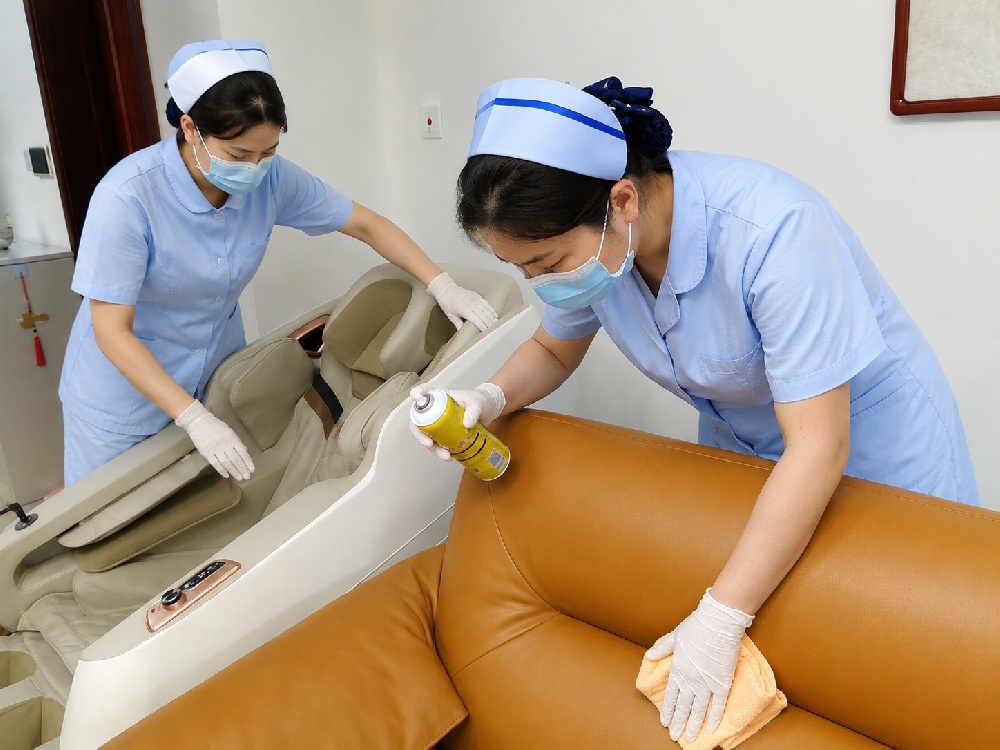
Medical seating may come into contact with many types of liquids. A waterproof upholstery surface helps prevent these liquids from entering the material structure.
| Liquid Exposure | Common Scenario | Why Waterproof Protection Matters |
|---|---|---|
| Water and cleaning liquids | Daily wiping and routine maintenance | Prevents moisture absorption and surface swelling |
| Body fluids | Patient seating, treatment rooms, nursing care | Supports hygiene control and easier cleaning |
| Disinfectant residue | Repeated healthcare cleaning procedures | Helps protect the surface and backing layers |
| Beverage or accidental spills | Waiting areas and patient lounges | Reduces staining and long-term odor problems |
3. Key Features of Waterproof Healthcare Seating Materials
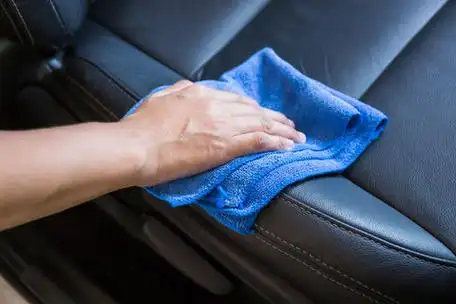
A reliable waterproof healthcare upholstery material should combine liquid resistance, surface durability, cleanability, and patient comfort.
Low liquid absorption surface
Waterproof protective coating
Easy wipe-clean performance
Disinfectant compatibility
Resistance to cracking and peeling
Stable color after repeated cleaning
Comfortable hand feel for patient contact
Durable backing for medical seating construction
4. Common Waterproof Upholstery Materials for Healthcare Seating
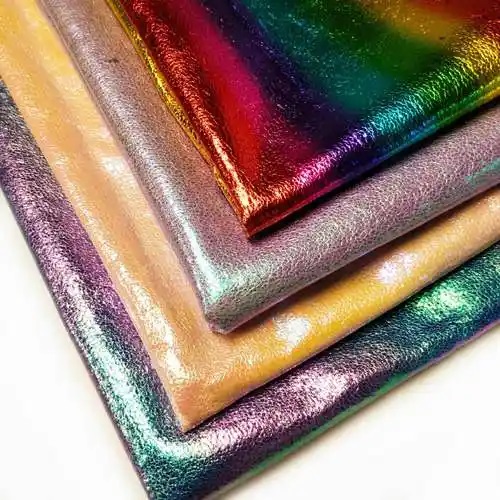
Different waterproof upholstery materials can be used depending on the required comfort level, cleaning frequency, durability, and budget.
| Material Type | Advantages | Recommended Healthcare Use |
|---|---|---|
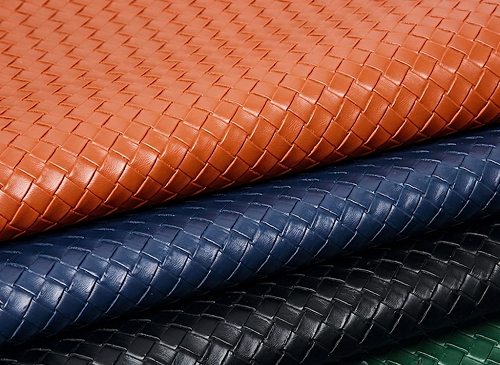
| Waterproof PU Upholstery | Soft touch, leather-like texture, comfortable seating feel | Patient chairs, dental seating, examination chairs |
| Healthcare Vinyl | Strong waterproof surface, easy cleaning, cost-effective | Waiting rooms, public healthcare seating, clinic furniture |
| Silicone Healthcare Upholstery | Excellent water resistance, chemical resistance, and hydrolysis stability | Premium medical seating and high-frequency cleaning areas |
5. Healthcare Seating Applications
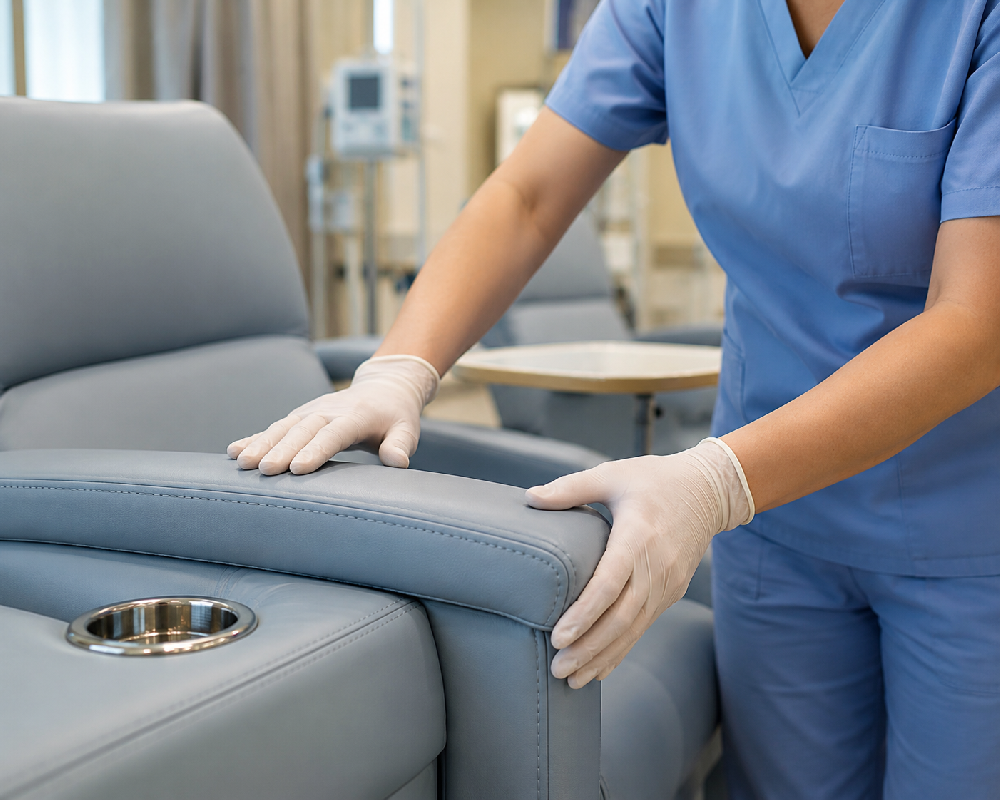
Waterproof healthcare seating materials are especially useful in medical environments where liquids, cleaning, and patient contact are part of daily operation.
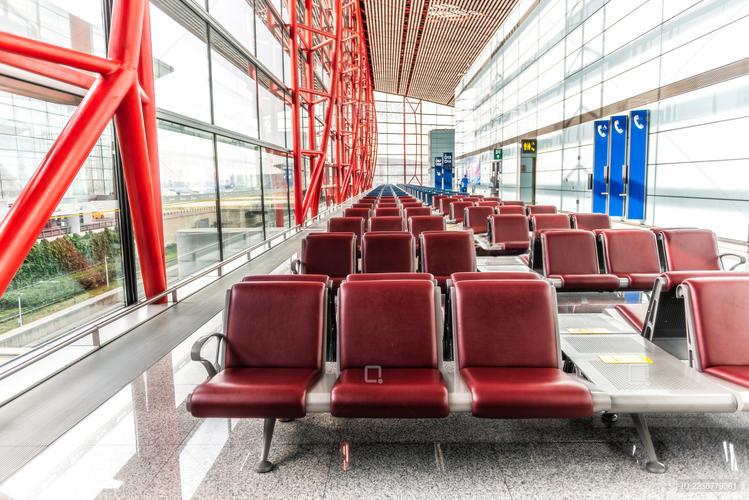
Hospital waiting room seating
Clinic examination chairs
Dental clinic seating
Infusion recliners and patient chairs
Treatment room stools
Nursing home and senior care seating
Rehabilitation center furniture
6. How to Choose Waterproof Medical Upholstery
Buyers should not select waterproof healthcare upholstery only by appearance. The material should match the actual usage environment, cleaning frequency, seating structure, and healthcare facility requirements.
Confirm waterproof and low-absorption performance
Check disinfectant resistance for daily cleaning
Choose suitable thickness and backing for the chair design
Evaluate surface softness for patient comfort
Consider seam design to reduce liquid penetration risk
Test samples with real cleaning procedures before bulk production
Waterproof Upholstery vs Disinfectant Resistant Upholstery
Waterproof upholstery focuses on preventing liquid penetration. Disinfectant resistant upholstery focuses on resisting chemical damage caused by repeated exposure to medical cleaning agents.
For healthcare seating, these two properties often need to work together. A good medical upholstery material should resist moisture, support fast cleaning, and maintain surface stability under approved disinfectants.
7. Frequently Asked Questions
Q: What are waterproof healthcare seating materials?
They are upholstery materials designed to resist liquid penetration and support easier cleaning in medical seating applications.
Q: Why is waterproof upholstery important for healthcare furniture?
It helps prevent liquid absorption, staining, odor, moisture damage, and difficult cleaning in patient care environments.
Q: Is waterproof upholstery the same as disinfectant resistant upholstery?
No. Waterproof upholstery resists liquid penetration, while disinfectant resistant upholstery resists chemical damage from cleaning agents. Healthcare seating often needs both.
Q: Which materials are suitable for waterproof medical seating?
Waterproof PU leather, healthcare vinyl, and silicone upholstery are commonly used depending on comfort, durability, and cleaning requirements.
8. Related Healthcare Upholstery Guides
Explore Waterproof Healthcare Seating Materials
Yizen Leather supplies waterproof healthcare upholstery materials for hospitals, clinics, dental seating, patient chairs, infusion recliners, treatment rooms, and medical furniture manufacturers. We support PU leather, healthcare vinyl, silicone upholstery, waterproof synthetic leather, and customized medical upholstery performance solutions.
Request Healthcare Upholstery Samples →
Related Upholstery Leather Guides