What Is BS5852 Upholstery Standard | Standards & Compliance Guide
Explore Related Upholstery Topics
Furniture Leather Waterproof Upholstery Silicone vs PU Restaurant Upholstery Medical UpholsteryWhat Is BS5852 Upholstery Standard
Introduction
What Is BS5852 Upholstery Standard is part of Yizen Leather's Standards & Compliance SEO cluster. This topic is written for procurement managers, architects, interior designers, furniture manufacturers, hospitality furniture suppliers, healthcare furniture suppliers, commercial seating manufacturers, importers and distributors who need clearer material performance and compliance language before selecting upholstery leather.
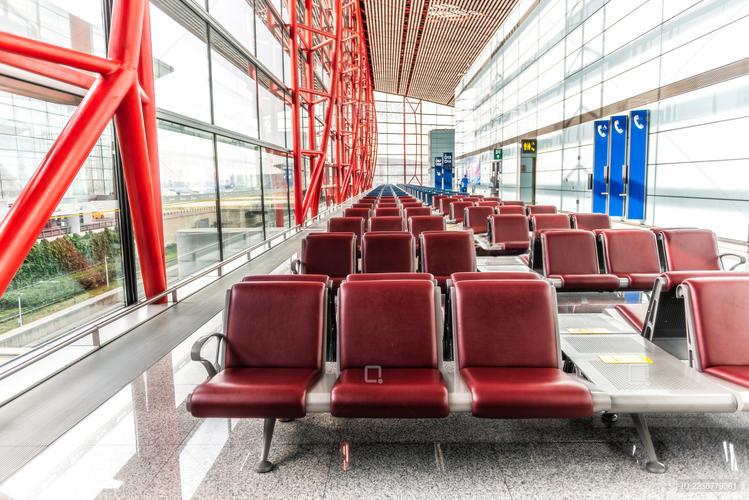
Yizen Leather manufactures synthetic leather and commercial upholstery materials for B2B seating projects. In professional projects, the material decision is not only about color, grain and hand feel. Buyers often need abrasion data, flame-retardant options, chemical compliance, cleaning compatibility, batch consistency and documentation support. Related application guides include Commercial Upholstery Leather, Hospitality Upholstery Leather, Restaurant Booth Upholstery, Office Seating Upholstery Leather, Airport Seating Upholstery, Medical Upholstery Leather, Waiting Area Upholstery Material, Cinema Seating Upholstery.
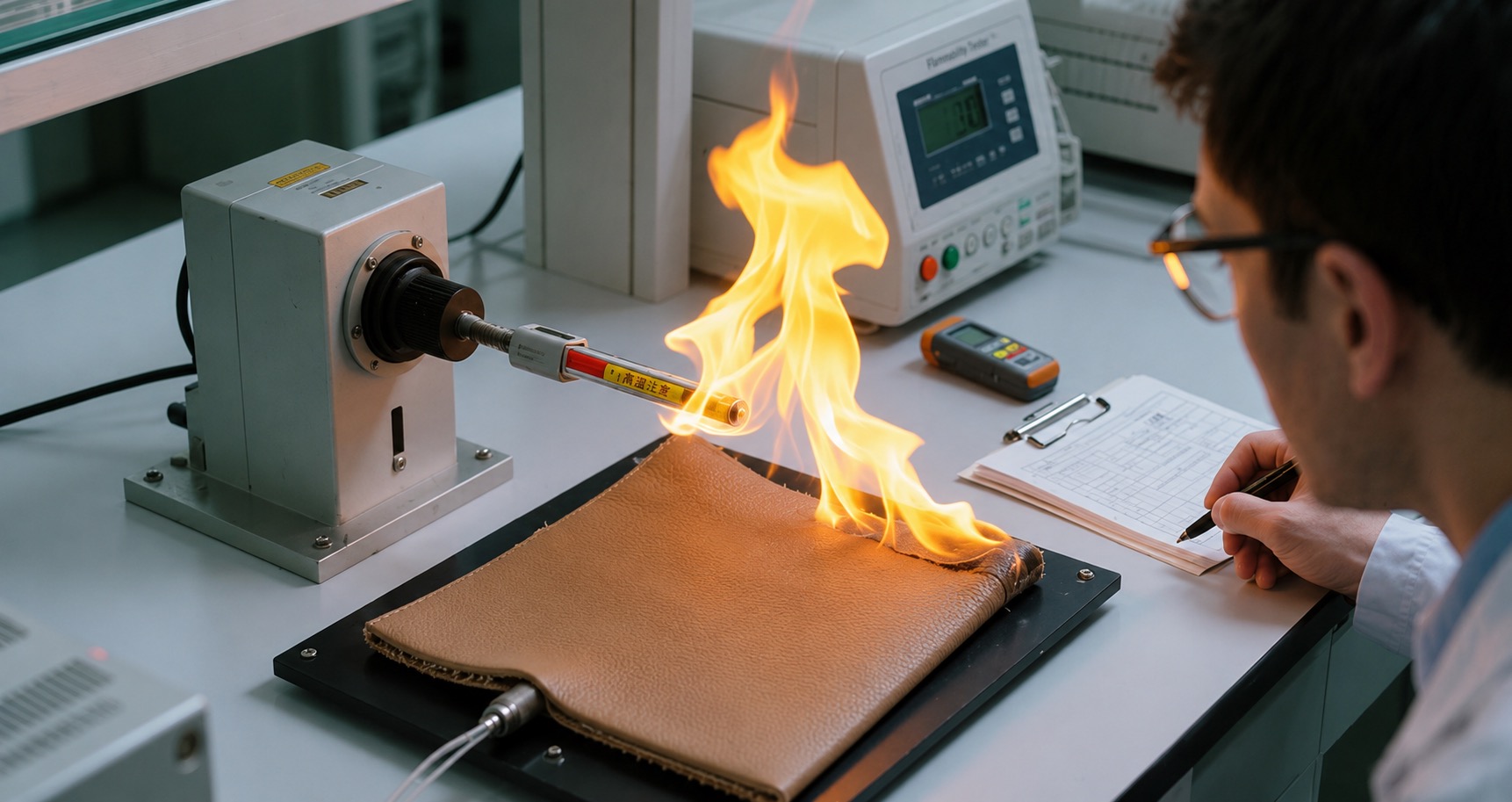
Fire safety standards help project teams select upholstery materials for public, hospitality and contract environments. This guide explains what the standard means, why it matters, how testing is usually discussed, and how buyers can use the information when requesting samples or project quotation.
What Is This Standard?
In upholstery sourcing, a standard or testing requirement is a way to translate project risk into measurable material expectations. It may describe abrasion resistance, flame behavior, chemical restrictions, VOC concerns, antibacterial performance, cleaning compatibility or heavy-duty commercial durability. The exact requirement depends on the market, project type and buyer's documentation needs.
For what is bs5852 upholstery standard, buyers should avoid treating the name as a simple label. The practical question is what the project requires, which test method is accepted, what result is expected and whether the material construction can be supplied consistently for bulk production and repeat orders.
Why It Matters
Standards matter because commercial upholstery is installed in environments where many people use the furniture every day. A hotel lobby sofa, restaurant booth, healthcare waiting chair, airport lounge seat or cinema recliner may need stronger performance than residential seating. Without clear requirements, buyers may choose a material that looks suitable but fails under cleaning, abrasion, seam stress or project inspection.
Clear standards also help manufacturers, contractors and purchasing teams communicate. When the buyer defines the expected test method, cleaning routine, application and approval process, the factory can recommend the right construction and avoid costly mismatch during bulk production.
Testing Methods
Testing methods vary by requirement. Abrasion may be discussed through Martindale or Wyzenbeek. Fire safety may involve CA117, BS5852, EN1021 or a project-specific requirement. Chemical compliance may involve REACH, RoHS, VOC or restricted substance review. Healthcare projects may include cleaning compatibility, antibacterial options, color fastness and surface durability.
For B2B purchasing, test reports should be interpreted together with application details. A number in isolation does not define the full product. Thickness, backing, surface finish, coating, grain, color and cleaning method all influence real-world performance.
Industry Applications
What Is BS5852 Upholstery Standard is relevant for hospitality furniture, healthcare seating, restaurant booths, office seating, airport lounge furniture, cinema seating, public waiting areas, educational seating, contract sofas and commercial benches. Each industry may prioritize different requirements. Hospitality projects may focus on fire safety, appearance and cleaning. Healthcare projects may focus on cleaning and hygiene. Public seating may emphasize abrasion and heavy-duty performance.
Performance Requirements
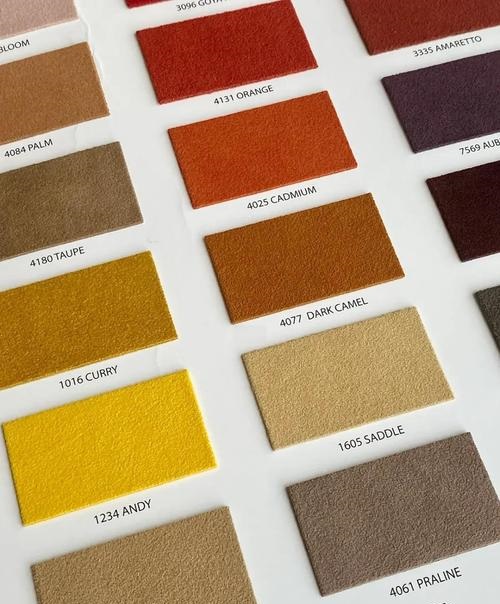
Buyers should define requirements before requesting samples. Important details include application, traffic level, expected service life, cleaning chemicals, fire safety requirement, target hand feel, thickness, backing, color, grain, roll width, quantity, documentation needs and approval timeline. For large projects, approved samples should be retained for future batch comparison.
Comparison Table
| Requirement Area | Common Method or Document | Typical Project Use |
|---|---|---|
| Abrasion resistance | Martindale or Wyzenbeek methods | Commercial seating, office chairs, public waiting areas |
| Fire safety | CA117, BS5852, EN1021 or project-specific requirements | Hospitality, cinema, contract and public seating |
| Chemical compliance | REACH, RoHS, VOC and restricted substance review | Importers, distributors and regulated project markets |
| Healthcare performance | Cleaning compatibility, antibacterial options and durability checks | Medical seating, clinics, hospitals and care facilities |
| Contract grade durability | Heavy-duty construction and documented performance targets | Restaurant, airport, hotel and public seating projects |
Buying Guide
When sourcing upholstery leather with standards or compliance requirements, start by asking the project owner or contractor which test method is required. Then share the furniture application, market, cleaning routine, performance target and quantity with the supplier. This allows the factory to recommend a realistic construction instead of guessing from a keyword.
Yizen Leather can support sample requests, material recommendations and documentation discussions for commercial projects. Buyers should confirm whether the requested standard is mandatory, optional or simply a preferred performance direction.
Frequently Asked Questions
Can Yizen Leather provide test reports?
Yizen Leather can discuss test report requirements based on the selected material, project application and buyer's target market. Requirements should be confirmed before bulk production.
Are all upholstery standards the same worldwide?
No. Standards and accepted test methods vary by country, project type and buyer requirement. Buyers should confirm the required method with the project owner or local compliance advisor.
Should I choose material only by test number?
No. Test data should be considered together with application, cleaning routine, surface feel, backing, color, thickness and upholstery workability.
Can standards be customized for OEM projects?
The material construction can often be adjusted to target specific performance needs, but testing and documentation requirements should be discussed early in the sample stage.
Request Standards Support and Samples
Contact Yizen Leather for test reports, sample requests, commercial projects, contract upholstery solutions, compliance documentation and material recommendations.
- Test Reports
- Sample Requests
- Commercial Projects
- Contract Upholstery Solutions
- Compliance Documentation
- Material Recommendations
Contact Page: https://yizenleather.com/?contact/
Email: wey@yizenleather.com
WhatsApp: 8613620853421
Related Upholstery Leather Guides